Let’s talk real talk: we love the look of salon nails—sparkly, glossy, flawless. But that $60+ every two weeks? That’s a no from us. If you’re ready to save time and cash without sacrificing glam, it’s time to embrace DIY nails. With a few game-changing products (all easily found on Amazon), you can get long-lasting, glittering nails for half the price—and all in your pajamas.
Salon Manicure (Glitter or Gel): $45–$80+ per visit
DIY Home Setup (One-Time Buy): ~$60 for EVERYTHING
Monthly Savings: Up to $200/month
Annual Savings: Over $2,000 if you go biweekly 🤯
And that doesn’t even include gas, time off work, or those awkward small talks.
🏠 Why Doing Nails at Home Is a Total Win
1. You Control the Vibe
No awkward convo. No waiting. Pop on your fave playlist or Netflix show, sip your champagne (you know we are), and chill while your nails dry.
2. It’s Surprisingly Easy
Thanks to affordable and beginner-friendly tools, you don’t need to be a nail tech to slay your mani. Most kits come with everything you need—and YouTube + TikTok are your free beauty school.
3. Your Nails, Your Schedule
Nail emergency at 10 p.m.? No need to beg for a next-day appointment. Your home salon is open 24/7.
💅 What You Need to Get That Sparkly Salon Look
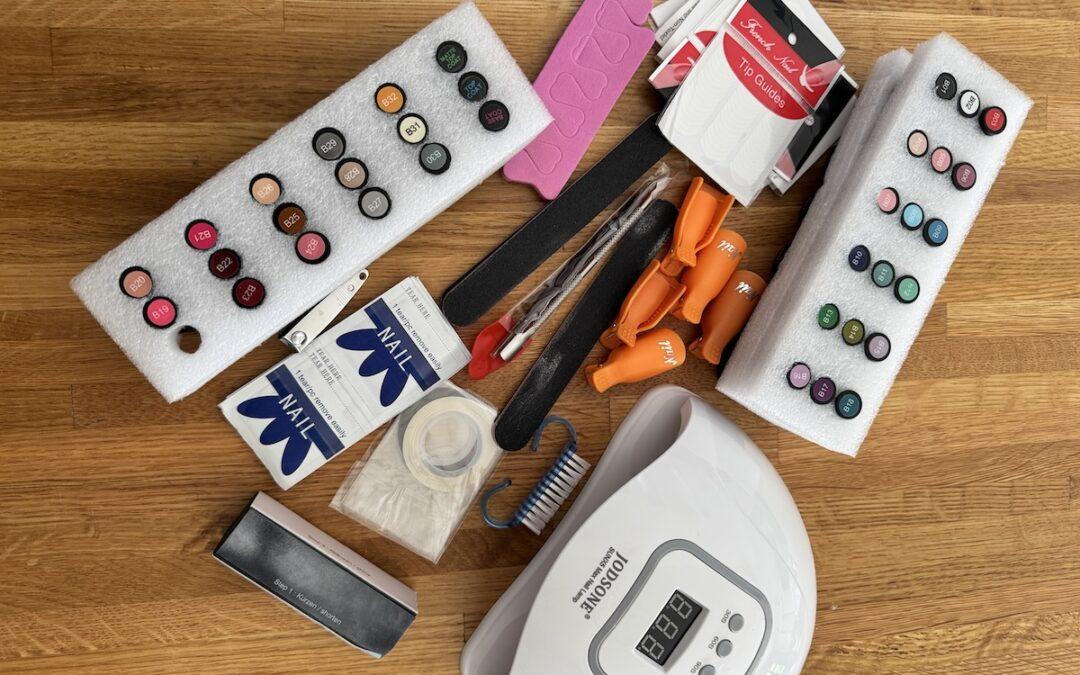
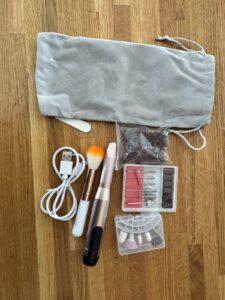
Here’s what we used in the video—and girl, they’re ALL available on Amazon (and Prime eligible!).
Prep like a pro: Push back cuticles, buff the surface, and don’t skip the base coat. This makes your polish last waylonger.
Thin layers are 🔑: Two to three thin coats = less bubbling and faster curing.
Cap the edges: This small trick keeps your tips chip-free for days.
Top it off: A high-gloss top coat seals in shine and keeps everything in place.
💁♀️ Final Thoughts: Home Nails Are the New Luxury
Doing your nails at home isn’t just a money-saver—it’s a self-care ritual. You’re in control of your time, your style, and your glam. With Amazon’s glitter-packed polish kits and a solid lamp, you’ll wonder why you ever paid salon prices in the first place.
✨ Ready to glow up your nail game? Start with the full nail kit here and add your fave glitter polishes. You deserve glam without guilt.
Pin this for later 👇
💅💖 “How to Get Salon Nails at Home for Half the Price” – Save money, sparkle more.
Play is an essential part of childhood. It fuels creativity, aids in brain development, and helps kids explore their world. Through play, children practice social skills, experiment with ideas, and develop problem-solving abilities. Whether it’s running around outside, engaging in imaginative role play, or organizing stuffed animals, play shapes their understanding of themselves and their surroundings.
As a parent of a 13-year-old who is essentially done with toys and a 9-year-old who rarely touches her stuffies anymore, I’ve noticed firsthand how kids naturally shift from traditional toy-based play to other forms of activity as they grow. In this post, I’ll discuss when kids typically stop playing with toys and offer some helpful tips on what to do with those childhood toys once the playtime winds down.
When Do Kids Stop Playing With Toys & What To Do With Them
When Do Kids Stop Playing With Toys?
As children grow, their interests change, and they begin to prioritize different activities. On average, most kids stop playing with toys around the age of 10 to 12. Though this can vary widely based on individual personalities and environments. Middle school, around 11 or 12 years old, often marks the shift. At this stage, many kids start focusing on friendships, sports, physical activities, and other hobbies. Digital entertainment, like video games or social media, might also take precedence over traditional toys.
For my 13-year-old, it was obvious that the days of building blocks and dolls were over. Similarly, my 9-year-old, though still young, doesn’t play with her stuffed animals much anymore. And she’s beginning to prefer more “grown-up” activities like reading and creating crafts. While it’s bittersweet to see them move on from their favorite toys, it’s also exciting to see them develop new skills and interests.
What To Do With Childhood Toys?
Now that your kids have stopped playing with their toys, the next question is: What do you do with them? Here are a few options to consider:
1. Throw Away Broken Toys
Toys that are broken or missing parts can be safely disposed of. Sorting through the pile of toys at your parents’ house or your own home might reveal many items that are beyond repair. These can be tossed without guilt, knowing they’ve served their purpose. For toys with batteries or electronic components, be sure to recycle them properly by taking them to a local recycling center.
If the toys are in good condition but no longer being used, consider donating them to a local charity, shelter, or hospital. Many children in need would love the chance to play with gently used toys that your kids have outgrown. You can also look into community drives or organizations that accept donations of stuffed animals or educational toys for underprivileged kids.
3. Sell Toys Online or at a Garage Sale
For toys that are still in good shape, selling them can be a way to declutter while making some extra cash. Sites like eBay, Facebook Marketplace, or local consignment shops are great platforms for selling used toys. This is a particularly good option if you have collectible items or childhood memorabilia that other families might be searching for. A garage sale can also be a fun way to involve your kids in the process of letting go and learning about minimalism.
While it’s important to get rid of childhood toys that are no longer used, you may want to save a few special items for posterity. Creating a memory box or preserving a few toys in photo albums can help you and your child reminisce about those early years. Keep items that have significant sentimental value. Such as a favorite stuffed animal or a toy that represents a major childhood milestone.
5. Upcycle or Repurpose Toys
Some toys can be upcycled into new, useful items. For example, plush toys or stuffed animals can be turned into pillows. Or wooden toys can be sanded down and repainted for decorative use. This is a great way to preserve childhood toys while giving them a new life and purpose.
Embrace “Toy Minimalism”
The process of deciding what to do with your kids’ toys can be overwhelming. But adopting a mindset of toy minimalism can make things easier. Toy minimalism isn’t just about getting rid of toys.It’s also about recognizing the benefits of a clutter-free space and encouraging kids to find joy in non-material activities. If you’re interested in learning more about toy minimalism, this post on Toy Minimalism offers a great guide on how simplifying your children’s environment can benefit their development.
The Transition to New Interests
As kids transition away from toys, they will likely take up more structured hobbies or explore new interests. Encourage your child to participate in physical activities like sports or arts, where they can continue to grow their creativity and social skills. Middle school is an especially formative time, so supporting their evolving interests is crucial. Whether it’s signing up for a club, organizing family activities, or even taking the time to bond over new hobbies, this stage of growth is a valuable opportunity for exploration and connection.
Final Thoughts
Watching your kids stop playing with toys is a significant moment in parenting. It’s a reminder of how quickly time flies and how fast they’re growing up. However, with the right approach, you can manage this transition smoothly. Whether you throw away broken toys, donate them to charity, or preserve childhood memorabilia, there’s something special about keeping memories alive while making space for new adventures.
Letting go of toys is just one part of the journey, and it can open the door to new opportunities for your kids to flourish as they grow older.
Are you feeling overwhelmed by all the environmental destruction happening around us? If so, you’re not alone. We are all part of the global crisis and if we don’t act fast then, unfortunately, that future won’t look too bright. But fortunately, there is something we can do right away to help make a change—recycling! Recycling doesn’t only reduce stress on our planet but it also allows us to cut down on waste in our homes and save money in the process.
Your home is a treasure trove of recyclable items, you can breathe new life to your old stuff in a practical, creative, and eco-friendly way to declutter, and how it can also a great way to minimize your environmental impact, live sustainably, and save money. Today, I’m going to talk about some of my favorite items found around your home that you should pop in your recycling bin – they may surprise you! Keep reading to discover 15 household items that can be recycled with ease.
15 Household Items You Can Recycle
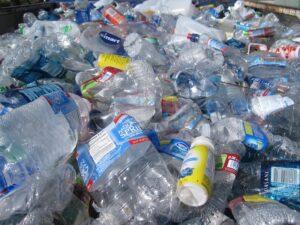
1. Plastic Bottles and Containers
Have you ever stopped to think about just how many plastic bottles and containers we use in our daily lives? From our morning coffee to the condiments we put on our lunchtime sandwich, plastic seems to infiltrate every part of our routine. While convenient, this abundance of plastic has a detrimental impact on our environment. It can take up to 1,000 years for some plastic items to decompose, leading to pollution and harm to wildlife.
Fortunately, there are easy ways we can all do our part in reducing our plastic consumption. Whether it’s investing in a reusable water bottle or opting for products packaged in paper, every small change can make a difference in preserving our planet for future generations.
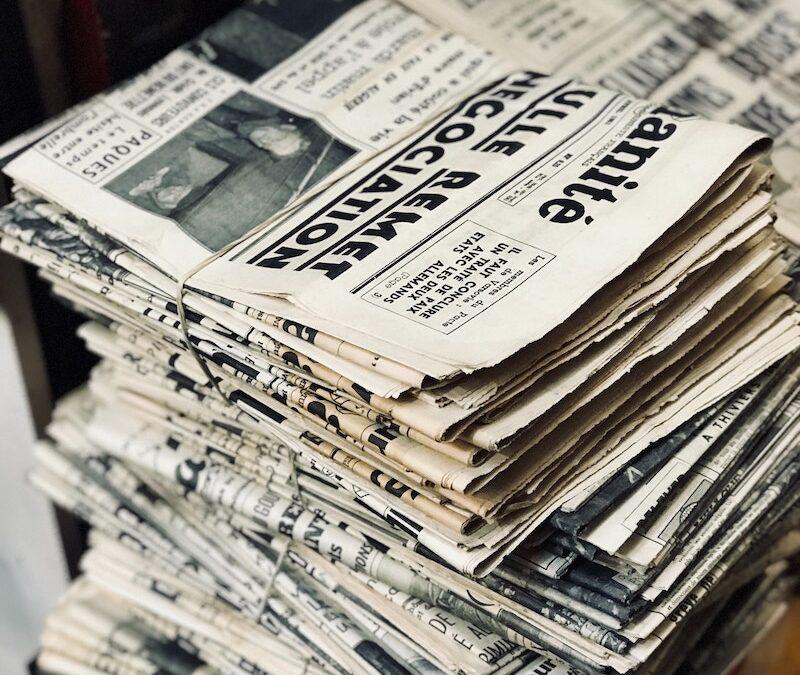
2. Paper Products (Newspapers, Magazines)
When it comes to paper products, there’s no shortage of options out there. From newspapers and magazines to cardboard boxes, paper is a ubiquitous part of our daily lives. And while some may argue that we should be moving towards a paperless society, there’s something comforting and reliable about holding a physical page in your hands.
Plus, with advancements in sustainable forestry and recycling programs, we can feel good about our paper usage without sacrificing our love for the printed word. So go ahead, flip through those pages, pack up that cardboard box, and enjoy the simplicity of these trusty paper products.
3. Glass Items (Bottles, Jars, Mirrors)
Glass is a material that’s been around for centuries, and it continues to amaze us with its many uses. From the bottles we drink out of to the mirrors we stare into, glass has become an integral part of our daily lives. And while it may seem like glass would be difficult to recycle, there are actually a number of innovative ways to reuse it.
Whether it’s donating glass bottles to your local recycling center or crafting a DIY project from old mirror pieces, there are countless possibilities for giving glass items a second life.
4. Aluminum Cans and Foil
Did you know that aluminum cans and foil are not only convenient, but also a sustainable choice for packaging? They can be recycled infinitely, making them one of the most environmentally friendly options out there.
Plus, aluminum is lightweight, which means it takes less energy to transport and reduces carbon emissions. So, the next time you reach for a cold soda or wrap up some leftovers, think about how you’re making a positive impact on the planet. Cheers to that!
5. Batteries
Batteries have revolutionized the way we live our daily lives. From powering our remote controls to keeping our cell phones charged, batteries have become an essential part of our existence. They come in all shapes and sizes, each with their own unique purpose. Some are rechargeable batteries, while others are disposable.
Despite their importance, however, many of us take batteries for granted, only really thinking about them when they die at the most inconvenient times. But when you stop to consider just how much they do for us on a daily basis, it’s clear that batteries are one of the unsung heroes of modern technology.
6. Electronics (Computers, Cellphones, TVs)
Hey there! Let’s talk electronics – who doesn’t love a good gadget? From computers to cell phones to TVs, technology has certainly come a long way. With new products constantly being released and updated, it can be hard to keep up. But whether you’re a techie or a casual user, there’s no denying the impact that electronics have on our daily lives.
From staying connected with loved ones to accessing endless streams of information, technology has truly changed the game. And with the way things are going, who knows what exciting new developments we’ll see in the future?
7. Clothes
Clothes are an essential part of life, providing us with protection from the elements and helping us express our personal style. From comfortable basics to statement pieces, there’s something for everyone out there. But while clothes may be necessary, they can also have a significant environmental footprint if not made sustainably.
So next time you’re shopping for new threads, make sure to look for eco-friendly materials like organic cotton and recycled fabrics. Together, we can all help reduce our carbon footprint and build a better future.
8. Cardboard Boxes (Yes, even pizza boxes!)
Cardboard boxes are one of the most versatile items out there – they can be used for storage, shipping, packaging, even crafting! Plus, they can be recycled infinitely, making them one of the most sustainable items to have in your home. Whether you’re looking for a way to declutter your space or are packing up for a move, cardboard boxes are sure to come in handy. So go ahead and grab that box cutter – it’s time to get creative!
9. Recycled Paper
Recycled paper is more than just a fancy phrase – it’s also an incredibly sustainable choice for our environment. By using recycled paper, we can reduce the amount of trees that need to be cut down for paper production, as well as help conserve energy and water during the manufacturing process. So next time you’re picking up paper for your printer, make sure to look for the recycled logo. You’ll be doing the planet a favor!
10. Plastic Bags
Plastic bags are everywhere, from grocery stores to convenience shops. They’re a convenient way to carry our purchases home, but unfortunately they often end up in landfills or the ocean. However, you can help reduce plastic waste by recycling them in your own home!
By washing and reusing them for things like packing lunches and organizing items around the house, you can turn these single-use items into something useful again. Plus, it’s easy to do – all it takes is some water and a bit of time. So next time you’re done with a plastic bag, don’t just throw it away – recycle it instead!
11. Reusable Water Bottles
Reusable water bottles are an essential item these days – not only do they help keep us hydrated, but they also reduce our single-use plastic consumption. By using a reusable bottle, you can help cut down on plastic waste that ends up in landfills and oceans. Plus, most reusable bottles come with insulation, so your water stays cold throughout the day! The next time you reach for a bottle of water, make sure it’s a reusable one – you’ll be doing your part to reduce plastic pollution.
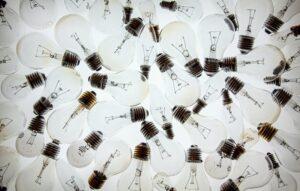
12. Light Bulbs
Light bulbs are a necessary part of modern life, but they can also be a source of environmental waste. Many traditional light bulbs contain toxic materials that can pollute the environment when not disposed of properly. Fortunately, there is an easy solution – recycling your used light bulbs!
By taking advantage of local recycling centers and responsible disposal methods, you can help reduce the amount of hazardous waste in our environment and make sure your old bulbs don’t end up in landfills or oceans. So next time you change out a bulb, remember to recycle it for the sake of our planet!
13. Wine Corks
Wine corks are more than just a simple item – they can also be used to help reduce clutter in your home. By recycling wine corks, you can turn them into stylish decorations and useful items around the house. From coasters and trivets to wall art and planters, there’s no limit to what you can do with these sustainable materials. Plus, by reusing wine corks instead of throwing them away, you’ll be helping reduce waste that ends up in landfills or oceans. So next time you open a bottle of wine, don’t forget to save those precious cork pieces – your home will thank you for it!
14. Printer Cartridges
There are many office supply stores and manufacturers offer recycling programs for empty cartridges. Also companies like HP, Canon, and Epson have mail-in programs or drop-off locations where you can return used cartridges for recycling. You can check the manufacturer’s website for details on how to participate.
15. Furniture
A local charity, non-profit organizations, such as Goodwill, Salvation Army, or local shelters, and secondhand stores accept gently used furniture in good condition. Some organizations may even offer pickup services for larger items. You should also speak to your local waste management or recycling business who can help you get rid of your items and find them nice, new homes!
Do your part for the environment!
Recycling is an important part of reducing the amount of waste that ends up in landfills or oceans. By taking advantage of local recycling centers, municipal recyclers and responsible disposal methods for recyclable materials such as plastic bags, wine corks, light bulbs and cardboard boxes you can help reduce environmental pollution while also creating useful items around your home. Make sure to check with your local recycling facility to find out what materials they accept – it’s a great way to do your part in preserving our planet!
Closet cleaning is a lot like spring cleaning, and is one of those tasks that we all know we should do, but somehow never seem to get around to. Seriously, how many times have you opened your closet door, only to be overwhelmed by the mess? Well, it’s time to change that!
In this blog post, we will talk about the importance of regularly cleaning out your closet, and provide tips on how to make the process easier. We’ll also talk about some of the benefits of having a decluttered closet, such as being able to find what you want quickly and easily, looking great with minimal effort, and having more space in your wardrobe. So read on for helpful advice on how to finally clean out your closet!
The Best Closet Cleanout Tips
1. Know the importance of cleaning out your closet.
Do you ever feel like your closet is a black hole that just sucks in clothes? You’re not alone. Most of us have way too much stuff crammed into our closets, to the point where it’s hard to find anything. That’s why it’s so important to clean out your closet regularly. Getting rid of clothes you don’t wear anymore can make a huge difference in the amount of space in your closet and how easy it is to find the clothes you need. Trust me, there are lots of benefits to cleaning out your closet!
Cleaning out your closet may seem like a lot of work, but once you get started it’s not so bad. And the benefits are worth it. Getting started by knowing the importance of cleaning can really set you up for success. So what are you waiting for? It’s time to get organized!
2. Find hacks for easier cleaning.
So you’ve decided it’s finally time to clean out your closet. But where do you even start? And what are the benefits of getting rid of all that stuff you never wear? Here’s a quick step by step guide to help you get started.
The first step is to take everything out of your closet. Yes, everything. Once it’s all out in the open, you can start sorting through it. Make three piles: keep, donate, and trash. For the keep pile, ask yourself if you’ve worn the item in the past year. If not, it probably goes in one of the other two piles. The donate pile is for items that are in good condition but you just don’t wear anymore. And the trash pile is for anything that’s damaged beyond repair.
Now that you’ve sorted through everything, it’s time to put it all back. Start with the keep pile – these are the items you want to keep in your closet. Then move on to the donate pile – find a box or bag and put them aside to donate later. And finally, get rid of the trash pile – either throw it away or recycle whatever you can.
When you’re done, take a step back and admire your work! A clean and organized capsule wardrobe vibe can make getting ready in the morning a lot easier – and it’ll give you a lot more space too. So next time you’re feeling overwhelmed by your closet, remember this guide and take some time to clean it out. You (and your wardrobe) will be glad you did!
3. Know the benefits of closet organisation.
Clearing out the clutter can be a daunting task, but it’s worth it. Not only will you be able to find things more easily, but you’ll also feel lighter and less bogged down by excess stuff. Here are a few benefits of decluttering your closet:
You’ll be able to see what you have. When everything is crammed into your closet, it’s tough to take an inventory of what you own. By decluttering, you’ll be able to see what items you wear regularly and which ones you can live without.
-You can set rules for what stays and goes. One of the best things about decluttering is that you get to decide what goes back into your closet and what doesn’t. Maybe you only want to keep items that you’ve worn in the past year or that fit your current style. Whatever rules you set, make sure they work for you.
You can identify items that need to be replaced. Closet decluttering is also a great opportunity to assess the condition of each article of clothing. If you have stained items, ripped, or otherwise in need of repair, you can either fix them or get rid of them. And if there are items that you love but don’t wear often, consider storing them elsewhere so they’re not taking up valuable space in your closet.
By following these steps, you’ll be well on your way to having a decluttered closet that works for you. So roll up your sleeves and get started!
4. Know what to do with the items removed and what’s left.
Getting rid of clothes you don’t wear anymore can save space and help you define your style. But what do you do with all the clothes you’re getting rid of? Here are some options:
If the clothes are in good condition, you could sell them at a consignment store or online.
If the clothes are in poor condition, you can donate them to a local charity.
And if you want to keep the clothes but they’re taking up too much space in your closet, consider storing them in bins under your bed or in another out-of-the-way place.
Say goodbye to closet clutter!
Whatever you do with the items you remove from your closet, the most important thing is that you end up with a closet that feels good to you. So take your time, be ruthless, and don’t put anything back that doesn’t make you feel happy and confident. If you’re feeling stuck, you can even speak to professional organizers who can make your like MUCH easier! Good luck!
You see it everywhere, the headlines about extreme weather, the calls for more people to fight climate change and change their ways in an effort to limit global warming. But, particularly in the United States, many people don’t know much beyond surface level.
Did you know that the average American generates over 16,000 pounds of carbon dioxide every year? That’s a lot of pollution! Every time I read stats like that, I feel inspired to not only learn more about but to then share what I learned to raise awareness on the topic. So, in this blog post, we will discuss why reducing your individual carbon footprint is important for both you and the environment. We will talk about the benefits of going green and provide some tips on how you can reduce your carbon dioxide (co2) emissions. Let’s get started!
Why Is Reducing Carbon Footprint Important
What is a carbon footprint and why is it important to reduce it
A carbon footprint is the total amount of greenhouse gases (like carbon dioxide emissions) emitted by an individual, organization, event, or product. This includes raw material extractions and production, usage, and then either recycling or disposal. Greenhouse gases trap heat in the atmosphere and are one of the main drivers of climate change. The most common greenhouse gas is carbon dioxide, which is released when we burn fossil fuels like coal, oil, and natural gas.
Burning fossil fuels releases harmful pollutants like sulfur dioxide and nitrogen oxide into the air, which can lead to respiratory problems, heart disease, and even premature death. Air pollution from burning fossil fuels is estimated to cause 7 million premature deaths each year.
Reducing our carbon footprint is essential to mitigating climate change and protecting public health. Research shows that if we reduce global emissions over the next 50 years, in line with the Paris Agreement, it would have a huge positive impact on public health, but we have to start now.
There are many ways to reduce your carbon footprint, including driving less, using public transportation, recycling, and using energy-efficient appliances. Even small changes can make a big difference when it comes to protecting our planet.
If you live in a country with a carbon tax, such as the United Kingdom, you may be able to offset some of your emissions by investing in carbon credits. You can also reduce your emissions by driving less, taking public transportation, or telecommuting.
Another way to reduce your carbon footprint is to consume less meat and dairy; livestock production results in significant greenhouse gas emissions. Finally, you can minimize your energy use by conserving resources and using energy-efficient products.
Every little bit counts when it comes to reducing your carbon footprint.
The benefits of reducing your carbon footprint
One of the primary ways individuals can help reverse global warming is by reducing their carbon footprint. Carbon emissions are released into the atmosphere when we use fossil fuels like natural gas, oil, and coal. These emissions contribute to air pollution and trapped heat, which leads to a rise in the temperature of the earth’s surface, commonly referred to as global warming. The effects of this include rising sea levels, extreme weather, and shifting seasons.
There are many reasons why you should focus on carbon dioxide and other greenhouse gas emission reductions.
For one, it is better for your health. Air pollution can cause a variety of respiratory problems, including asthma and bronchitis. It can also aggravate heart conditions and lead to strokes. Reducing your carbon footprint can help improve public health by improving air quality.
In addition, reducing your carbon footprint is good for the animals and the planet. Climate change is a major threat to biodiversity, as it alters habitats and changes the distribution of plants and animals. By reducing your emissions, you can help maintain plant and animal diversity.
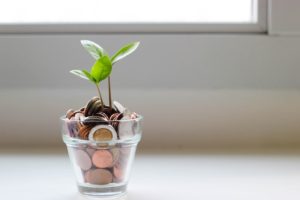
Finally, reducing your carbon footprint can save you money. Energy-efficient appliances and green building materials often have a higher upfront cost than conventional options.
However, they typically last longer and use less energy, which can save you money in the long run. In addition, many utility companies offer rebates for energy-efficient upgrades.
As you can see, there are many reasons to reduce your carbon footprint. Every little bit counts when it comes to mitigating climate change.
How To Reduce Carbon Footprint
There are many things we can do to reduce our carbon footprint and help slow down the effects of climate change. Here are some practical tips that you can implement in your everyday life:
– Use reusable water bottles instead of disposable plastic ones.
– Walk or bike whenever possible instead of driving.
– Unplug devices when not in use to conserve energy.
– Opt for locally grown meat and produce to reduce your carbon footprint from transportation.
– Use cold water for washing clothes instead of hot water.
This consumes less energy and is just as effective.
– Drive efficiently by keeping your car well maintained, inflating your tires, and avoiding excessive idling.
– Recycle and repurpose old items instead of throwing them away.
– Add solar panels to your home or business to generate clean, renewable energy and save money on your electric bills.
We went with Volt Energy when we were choosing a provider. And if you mention my name, AJ Johnson, Volt will give a $250 cash rebate for anyone that goes solar.
– Support clean energy sources such as wind and solar power.
My parents live in Indiana and wind power surrounds them and the town I grew up in. It’s a sight to see, and every time we travel there we know we’re close to home when the wind turbines come into view!
These are just a few of the many things we can do to reduce our carbon footprint. Every individual has the power to make a difference. Together, we can slow down the effects of climate change and create a brighter future for generations to come.
Tips for going green at home
There are also numerous ways to reduce your impact on the environment and save money at the same time. Here are a few tips on how you can go green in your own home:
1. Use natural resources wisely:
Be conscious of how much water you use when cooking, cleaning, and watering plants. Turn the faucet off while brushing your teeth, and throw used water on plants instead of down the drain. Use cold water for laundry and line-dry clothes when possible. You can also save energy (and money) by making sure your home is well-insulated and using energy-efficient light bulbs.
– Switching to LED light bulbs is a great way to save energy and reduce your carbon footprint. LEDs use 75% less energy than incandescent bulbs. They also last up to 25 times longer!
– Choose energy-efficient appliances when making new purchases.
2. Reduce your carbon footprint:
One of the best ways to reduce your impact on the environment is to reduce your carbon footprint. You can do this by walking or biking instead of driving, taking public transportation, carpooling, or telecommuting. You can also offset your carbon emissions by planting trees or investing in renewable energy sources.
3. Save money:
Reducing your impact on the environment can also save you money. For example, by insulating your home, you’ll use less energy for heating and cooling, which will lower your utility bills. Using energy-efficient light bulbs will also lower your electric bill. And by carpooling or taking public transportation, you’ll save on gas money.
Going green doesn’t have to be difficult. There are many small changes you can make in your everyday life that will have a big impact on the environment. By working together, we can all do our part to create a sustainable future.
Tips for going green at work
Going green at work can seem like a daunting task, but there are several small changes that can make a difference. Here are five tips to get you started:
1. Pack a lunch:
Brown-bagging not only saves money but also reduces waste. If you do eat out, look for restaurants that use recyclable or compostable containers.
2. Ditch the disposables:
Say goodbye to paper coffee cups and plastic water bottles. Invest in a reusable mug and water bottle and keep them at your desk.
3. Go digital:
Whenever possible, opt for electronic communications over paper. This includes everything from sending emails instead of letters to using digital files instead of paper ones.
4. Think before you print:
Do you really need to print that document? If not, save it electronically. If you do need to print it, make sure to print it on the blank side of a recycled paper or print it front and back to use both sides of the page.
5. Recycle:
Recycling seems like a no-brainer, but many office buildings don’t have adequate recycling facilities. If yours is one of them, talk to your boss about setting up a system. Alternatively, see if there’s a local recycling program you can participate in.
These are just a few of the many ways you can make your workplace more sustainable. By working together, we can all do our part to reduce our impact on the environment.
Tips for going green when you travel
As more people become aware of the need to protect the environment, they are looking for ways to reduce their impact when they travel. Here are a few simple tips that can help you travel more sustainably:
1. Pick up trash if you see it.
Grab any litter that you see, whether it’s discarded wrappers or cigarette butts, and either dispose of it properly or recycle it. Not only will you be doing your part to keep places clean, but you’ll also be preventing litter from entering the environment and harming wildlife.
2. Avoid single-use plastics.
Bring along a reusable water bottle and coffee mug, and say no to straws and plastic bags.
3. Choose eco-friendly accommodation.
Look for hotels that have implemented energy-saving measures, use environmentally friendly cleaning products, and offer amenities such as recycling facilities.
4. Offset your carbon footprint.
When booking your flight, look for airlines that offer carbon-offsetting programs. You can also offset your carbon footprint by taking public transportation or renting bicycles when you’re exploring a new place.
How can you reduce your carb footprint when choosing food?
There are also several eco-friendly food options you can choose to further reduce your carbon footprint.
First off, aim to eat a diet that’s primarily made up of plant-based foods. Animal agriculture is a major contributor to greenhouse gas emissions, particularly from the methane and nitrous oxide produced by livestock.
Also, buy locally-grown produce when possible, as this reduces the emissions associated with transporting food long distances.
Lastly, try to reduce your food waste by planning your meals ahead of time and only buying what you know you’ll eat. Food waste that ends up in landfills contributes to the production of methane, a potent greenhouse gas.
How does deleting emails reduce carbon footprint?
Yes, even deleting emails can help minimize your carbon footprint.
How? Well, every email you send or receive is stored on a server somewhere. These servers consume energy and therefore produce greenhouse gases.
By deleting unneeded emails, you’re helping to reduce the amount of data needing to be stored on these servers. Of course, there are bigger actions we can take to reduce our carbon footprints, but every little bit counts!
Step Up, Make a Difference! Shrink Your Carbon Footprint Today!
By following these tips, you can minimize your impact on the environment and help to preserve our planet for future generations.
Reducing your carbon footprint is important for many reasons. It’s not only good for the environment, but it can also save you money and make your workplace more sustainable. There are many small changes you can make in your everyday life to reduce your impact on the planet, and we hope these tips have given you some ideas of how to get started.
Whenever we have too many things, clutter starts to show up. The fewer things we own, the easier it is to keep clutter to a minimum. The first step in managing your home to be clutter-free is to get rid of the extra items that have never been used and are not being used anymore.
Simply sitting in a cluttered environment can be stressful. You probably felt before that seeing an untidy environment can radiate stress, in Oriental beliefs they think of it (feng shui) words as “stagnant chi” in real-world terms cluttered space, room, or home is a visual reminder of how much work is still left to make your house tidy.
Our homes become cleaner when they are clutter-free. This, in turn, relieves us of all the anxiety that goes with home maintenance. People can then direct their energies toward more vital tasks.
Making a choice in sticking to a minimalist lifestyle is making a conscious decision to live a life that is meaningful. A minimalist lifestyle entails having fewer resources or possessions. It has become a part of one’s cognitive process to choose how to live with the bare necessities of life while remaining content.
You might have come across this post as you looked for ways to simplify your life. Or maybe you’re here in hopes of finding ways to reduce visual clutter in your home. Either way, you’ve come to the right place. I’m sharing my best minimalist organization tips and storage ideas that will benefit your home just as much as your well-being.
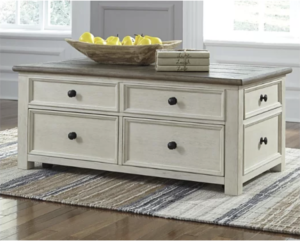
This lift-top coffee table has everything you would expect from a coffee table with storage: a lifting top, various drawers, and a durable structure that can be used as a coffee table or a seat. Comes with a distressed finish and is available in three colors.
2. Drawers
Under The Stairs | Cost: $200 to $500 do it yourself; $2,000 to $5,000 if built by a carpenter
– Kitchen Cabinet
Instead of making a pantry under the stairs, you may utilize it as a kitchen cupboard to keep your dinnerware, cutlery, and food trays! This under-the-stairs storage is especially ideal for storing Asian dinnerware or dishes that are only used on special events or for entertaining guests. In fact, this bookshelf works wonders if you don’t want to put them in drawers.
– Under Stair Pantry
Do you have a tiny kitchen with a limited amount of storage space? Creating a staircase pantry is an excellent way to make use of the idle storage under the stairs. One can store dry items of all kinds and sizes with a few rolling drawers, storage boxes, and floating shelves. This staircase pantry will give you more space in the kitchen.
– Under Stairs Storage Drawers
Sliding drawers are a simple and efficient method to make the most of unused stair storage space. They also serve as a means of concealing undesirable items, which makes them ideal for homes with limited closet space.
3. Under bed Storage
| $14 – $50
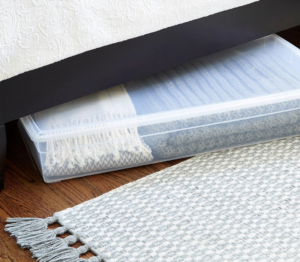
Under bed storage might be an excellent solution if you don’t have enough space in your bedroom. It enables you to make the most of every inch of available floor space. It’s also less expensive than other storage options, including wardrobes.
If you want to use under bed storage, ensure your bed is high off the ground. If you know you’ll be moving stuff in and out of your under bed storage on a recurring basis, consider storage with wheels on the bottom which can be rapidly removed and afterward pushed back when not being used.
Beds with built-in storage are also available. It can be in the guise of built-in drawers or storage within the bed which you can reach by pulling up the mattress’s foundation.
4. A Place For Every Item In Your Home
Every object needs to have a home if you want to be organized. One can’t just put something away unless it has a place to go. You’re just storing things and won’t be able to locate it again if you need to. When an item has a home, there should be just one reasonable area to check for it.
5. Drop Zone
The entry hall leading from your driveway or front door is a great place to establish a drop zone in your property that will help manage your household. Install Wall Hooks – Wall hooks are a great way to keep your bags, coats, hats, and keys off the countertop.
Whenever you would not want to wear shoes in your house, designate a space for them. A waterproof shoe rack is an excellent option. Install wall hooks to hang jackets and bags. If you have out-of-season things in your drop zone, relocate them to storage in another part of the house to free up room.
6. Take Advantage Of Vertical Space
| Can be included during a home renovation
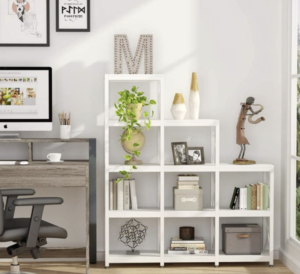
Shelving is by far the most visible use of vertical space in your home. You just need a deeper shelf for a table, a stool, and you’re good to go. The usage of vertical space is excellent. Hanging your belongings vertically is also an alternative.
Hanging shelves help you make the most out of your vertical space. Hooks are excellent ways to utilize underutilized vertical space. Each square inch represents a new option for storage.
In the bathroom, racks are a must-have for maximizing vertical space. There are many gorgeous options available, ranging from simple to elaborate to stylish, depending on your personal preference. Racks can also help you save space on your vanity and in the shower by freeing up counter space.
7. Floating Shelves
| $20 to $80
A floating shelf is one with the wall fasteners hidden within the shelf board and no apparent support brackets. Floating shelves can be decorated in a variety of ways, making your area appear more formal and sophisticated or enhancing a more informal setting.
Floating shelves are an effective way of making use of vertical space in any room at home. And they can be adaptable based on the style of the shelf you select. Floating shelves that are thinner and lighter are ideal for displaying photographs. Candleholders, lamps, and little plants are all great suggestions to display on floating shelves too.
When determining where to put your shelves, think about your reach. Don’t put common goods out of reach, and make absolutely sure you have a strategy in place for getting to additional items, such as keeping a step stool handy. Don’t overdo it with the decorations on your floating shelves. Provide some room in between pieces so they can “breathe.”
8. Pegboards Wall
| $20 to $100
Pegboard is a toughened hardboard with pre-drilled holes that can handle most common home hand tools. In addition, pegboards in garages are a great way to keep your gears organized and visible.
Pegboard is easy to install and can also be done over drywall. It’s important to leave a 1/2-inch or bigger gap in between the wall and the rear of the pegboard while mounting it.
9. Storage Boxes
| $5 to $100
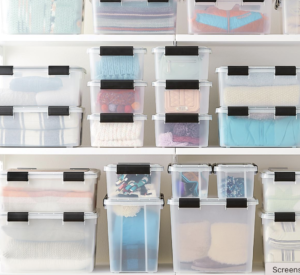
Plastic bins make excellent storage boxes since they’re easy to pile and secure your possessions from humidity, warmth, and everything else that could try to sneak inside. Plastic containers are also self-sealable, so you won’t have to use adhesive tapes. Be sure to get sturdy ones as the cheaper ones tend to be a bit more flimsy and break easier, especially when stacking. The clear bins are the best especially if you are trying to keep things organized and don’t want to put labels. You can easily see inside for the contents and not have to go through each bin. We love the ones from The Container Store pictured here. –>
Looking at the floor space of your home is the most straightforward technique to figure out how many storage boxes you’ll need. Because a larger home normally contains more belongings, floor area is a key element in calculating how many storage boxes you’ll be needing.
Remember to load heavy items such as textbooks, appliances, and grocery items in as tiny a box as possible to avoid making the storage boxes excessively heavy. Larger boxes can accommodate lightweight things. Comforters, plush animals, or garments should never be placed in larger boxes.
10. Hidden Multi-Use Storage Solutions
There are a ton of multi-use storage solutions that don’t actually look like storage. These items are great for someone adopting a more minimalist lifestyle and they’re super helpful with keeping things organized for day-to-day use.
This mirror with storage from IKEA is a great example of multi-use hidden storage. You can use it as a bathroom vanity or hang it in your bedroom or even your front hallway and use it to store everything from toiletries to your keys and mail.
You can also swap out some of your current furniture for pieces with hidden storage. From storage ottomans to a lift bed with storage underneath, there are numerous options to consider.
More posts to check out if you are new to the Minimalist space:



 plastic has a detrimental impact on our environment. It can take up to 1,000 years for some plastic items to decompose, leading to pollution and harm to wildlife.
 the mirrors we stare into, glass has become an integral part of our daily lives. And while it may seem like glass would be difficult to recycle, there are actually a number of innovative ways to reuse it.
 are rechargeable batteries, while others are disposable.
 comfortable basics to statement pieces, there’s something for everyone out there. But while clothes may be necessary, they can also have a significant environmental footprint if not made sustainably.
 unfortunately they often end up in landfills or the ocean. However, you can help reduce plastic waste by recycling them in your own home!
 Many traditional light bulbs contain toxic materials that can pollute the environment when not disposed of properly. Fortunately, there is an easy solution – recycling your used light bulbs!
 sustainable materials. Plus, by reusing wine corks instead of throwing them away, you’ll be helping reduce waste that ends up in landfills or oceans. So next time you open a bottle of wine, don’t forget to save those precious cork pieces – your home will thank you for it!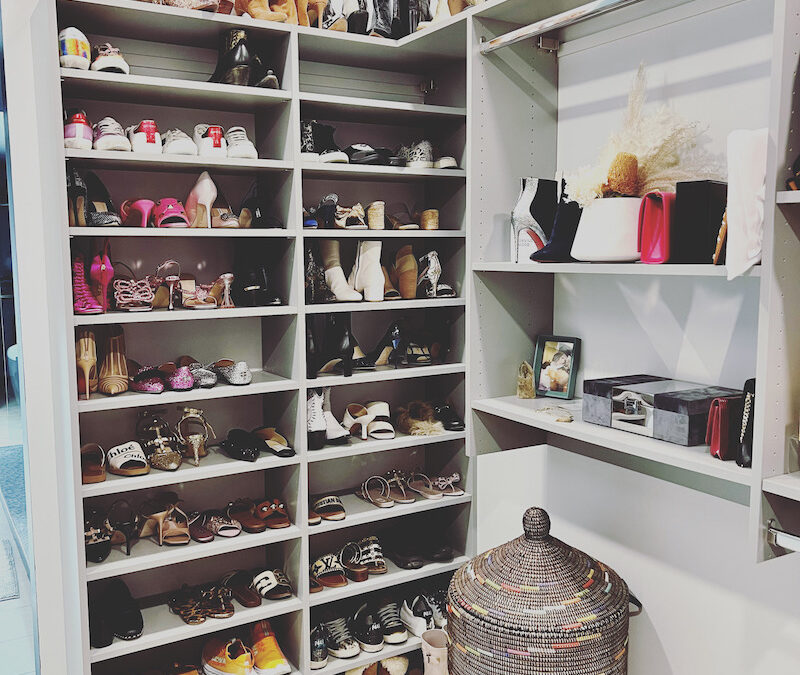
 our closets, to the point where it’s hard to find anything. That’s why it’s so important to clean out your closet regularly.
  clean it out. You (and your wardrobe) will be glad you did!
 getting rid of? Here are some options:
 individual, organization, event, or product. This includes raw material extractions and production, usage, and then either recycling or disposal. Greenhouse gases trap heat in the atmosphere and are one of the main drivers of climate change. The most common greenhouse gas is carbon dioxide, which is released when we burn fossil fuels like coal, oil, and natural gas.
 Carbon emissions are released into the atmosphere when we use fossil fuels like natural gas, oil, and coal. These emissions contribute to air pollution and trapped heat, which leads to a rise in the temperature of the earth’s surface, commonly referred to as global warming. The effects of this include rising sea levels, extreme weather, and shifting seasons.
 change. Here are some practical tips that you can implement in your everyday life:
 LEDs use 75% less energy than incandescent bulbs. They also last up to 25 times longer!
 restaurants that use recyclable or compostable containers.

Recent Comments