Do you come back home after a long day at work, only to feel suffocated? Do you wish to leave home to find peace?
It’s a no-brainer that your home should make you happy; it should make you breathe a sigh of relief just as you enter the door. But if you feel differently, it’s a sign that you need to change the atmosphere around the house.
Removing toxic things, and working on relationships can certainly help if you think they are a problem. However, if you know that you live in a happy family and that your family is your comfort and strength, then let’s just say your home merely needs a few changes to fix the problem.
Here are 10 ways how you can instantly change the atmosphere in your home:
10 ways to instantly change the atmosphere in your home
1. Add music
If I say music can help you calm down, I would not be sharing any new piece of information. We all already know it and have witnessed it too. So, if you wish to change the atmosphere of your home for good, you cannot afford to miss adding music.
However, you can skip hip-hop and heavy metal; you’re not having a party in your house. Instead, you can play your favorite music, but make sure it’s calming and soothing to your ears.
2. Change wall colors
Believe it or not, décor can change the whole vibe instantly – especially wall paints. Keep a neutral color scheme around the house. It is highly suggested to go for light colors – if you ask me, white or off-white is the best. They make your home feel calming by making it spacious, and bigger.
I love to do removable wall paper or if you have less patience, like me, I started doing splatter walls, where you don’t completely paint the wall. Instead, you use a paint brush and splatter a color onto the wall to give it a different look. It doesn’t take a lot of time, and only needs to be taped and plastic the area off to ensure nothing but the wall gets the splatter. (Trust, I learned the hard way!)
3. Do home-décor right
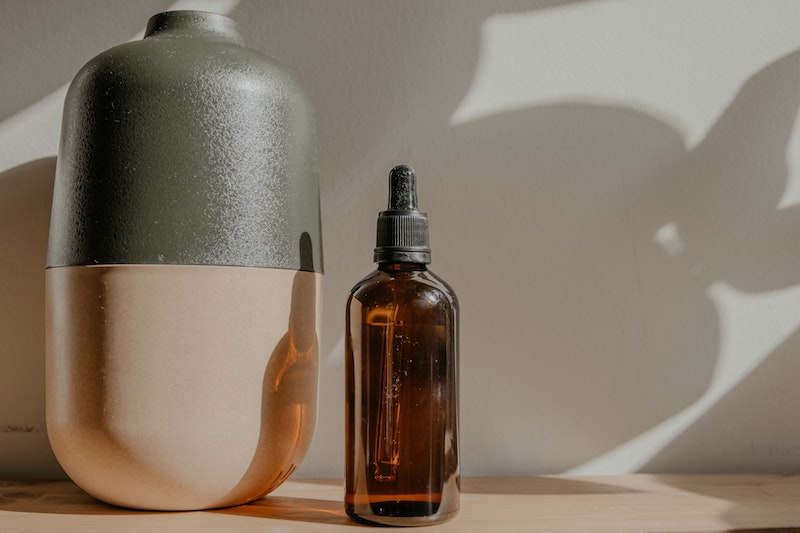
If you have painted your walls right, you would want to get to the styling and décor. If you are looking for a calming décor – white, grey, and nude colors are in trend for their minimalist touch. So, whatever you pick, it is suggested you pick from the neutral color scheme.
Additionally, you can add plants, wind chimes,and white rugs for an aesthetic and pleasant makeover. If you are looking for additional ideas, you can scroll through Pinterest for some home-décor inspiration
4. Keep the tabletops clear
The rule is not to keep the house cluttered. Neither the floor nor the tabletops. I know, tabletops seem the most convenient place for dropping stuff throughout the day, but the more things get accumulated on the tops, the more suffocating it can get. Ergo, keep tabletops as empty as you can. You can of course add décor to it, but don’t overdo it.
5. Let your home smell mesmerizing
Imagine this, you went out, and came back home to be blessed by a mesmerizing fragrance. How enchanting would it feel? Time to make your imagination a reality. There are so many ways of doing so.
You can make your home smell enchanting using these objects
Diffusers
Essence sticks
Candles
Potpourri
Room freshener spray
Fragrance Sachets
6. Add family photos
Your home must not only smell amazing, but it must reek of the people who live there. Adding family photos is a great way of adding a personal touch to your home. You can go simple by hanging in some of the happiest, and memorable photographs, you can add a touch of décor to it by creating a gallery wall with a color scheme. Gray and white if you ask me.
Tip – You can make use of mold photo frames – they are quite in trend these days.
7. Keep your home ventilated and allow natural light
A breath of fresh air, natural light can change your mood for the better. So, if your blinds are on, or curtains are closed, undo them. Not only will it save you electricity bills, but make you feel tranquil. (I would have loved to talk more about that effect or say that feeling, but forgive me because that feeling cannot be described in words)
8. Make your home cozy
Do you jump or drop yourself down on the hotel’s bed as if you are lying in heaven and would never want to get out of the bed? Guilty, right? Well, that’s because hotel rooms are cozy. You have to do the same with all the rooms so that you feel more than just comfortable – your happiest self.
You can do that by working on the mattresses, pillows, and cushions around the house. Go for thick soft mattresses, and soft and fluffy cushions and pillows. At the same time, add a soft duvet to your bed.
9. Say words of affirmations
If affirmations can make anyone feel optimistic, how can they not change the atmosphere around the house? You can say affirmations together with your family or have them play on the speaker. You can even add décor that emphasizes these affirmations. Try to add cushion covers and quoted frames with affirmations written on them.
10. Laugh more
Décor can surely help you instantly change the atmosphere, but it cannot match the transformation laughter can bring. So go on, share some jokes, and watch some hilarious movies together. Laugh like there’s no tomorrow.
Now that you know 10 easy ways to instantly change the atmosphere in your home, it’s time to get started! Pick one or two of these tips and give them a try. See how your mood changes and how your family reacts. Once you have had some success with a couple of these methods, add more until your home feels like the haven you always dreamed of. Share which of these tips worked best for you in the comments below – we would love to hear from you!
Are you feeling bogged down by your belongings? Are you tired of dealing with the stress of managing a large collection of stuff? If so, then minimalism may be the lifestyle for you! The average American home contains over 300,000 items! And that doesn’t even include the digital clutter we accumulate. Minimalism is all about decluttering your life and simplifying your existence. By removing unnecessary items from your life, you can free up space and time to focus on what’s important. In this blog post, we will discuss the top 10 benefits of minimalism and why you should consider it for yourself!
The Top 10 Benefits of Minimalism: Why You Should Consider It
1. What is minimalism and what are the benefits of practicing it in your life
You may have heard the term minimalism tossed around in recent years, but what exactly is it? In its simplest form, minimalism is the intentional promotion of the things we most value and the removal of everything that distracts us from them. This could mean decluttering your home, paring down your wardrobe, or spending less time on social media. While it might sound daunting at first, there are many benefits to living a minimalist lifestyle. Here are just a few:
1. Clarity of mind:
With fewer possessions and less clutter, you’ll have more clarity and focus in your life. You’ll be able to see what’s truly important and let go of what’s not.
2. More time:
With less stuff to take care of, you’ll have more time to do the things you love. Whether it’s taking up a new hobby or spending more time with family and friends, you’ll have more time to enjoy life.
3. More freedom:
Living with less will give you a sense of freedom that you didn’t know was possible. You’ll be free from the clutter, the mess, and the stress that comes with owning too much stuff.
4. Less stress:
With fewer possessions and less clutter, you’ll have less stress in your life. You won’t have to worry about keeping up with the Joneses or maintaining a certain lifestyle. You can live life on your own terms.
5. Better relationships:
With more time and freedom, you can focus on building better relationships with the people who matter most to you. You’ll be able to connect with them on a deeper level and create lasting memories.
6. Less pressure to clean up:
With fewer things in your home, you’ll have less to clean up. This can give you more time to relax and enjoy your life instead of feeling like you’re constantly cleaning up after yourself.
7. Less desire to buy more stuff:
Once you declutter your life and get rid of the things you don’t need, you’ll find that you have less desire to buy more stuff. You’ll be content with what you have and won’t feel the need to keep up with the latest trends.
8. Focus on health and hobbies:
When you have less stuff, you can focus on taking care of yourself and your hobbies. You’ll have more time to exercise, eat healthily, and pursue the things you’re passionate about.
9. Sense of freedom:
When you own less, you’ll have a sense of freedom that you didn’t know was possible. You won’t be tied down by your possessions and will be able to live life on your terms.
10. More money:
One of the biggest benefits of minimalism is that it can save you money. When you declutter your life and get rid of the things you don’t need, you won’t have to spend money on storage or unnecessary items. You can use that money to save for your future or to invest in experiences that will enrich your life.
2. How to get started with minimalism
Minimalism is a design movement that began in the 1950s. It is characterized by simplicity and functionality. In recent years, minimalism has gained popularity as a lifestyle choice. People who practice minimalism live with fewer possessions and focus on experiences rather than material things. There are many benefits to minimalism, including improved mental and physical health, more time and money, and greater creativity. If you’re interested in trying out minimalism, there are a few things you can do to get started.
First, take inventory of your possessions and get rid of anything you don’t use or need. You can also simplify your schedule by cutting back on commitments and saying no to new ones. Finally, focus on quality over quantity in your relationships. Spend time with people who make you happy and let go of toxic relationships. Minimalism isn’t about deprivation; it’s about living your best life with less. Try it out today and see how it can improve your life!
3. Tips for decluttering your home and getting rid of excess stuff
One of the most common questions I get asked is “How do you live a minimalist lifestyle?” The answer is pretty simple, but it does take some effort. You have to be willing to let go of material possessions that don’t bring you joy or serve a purpose. For some people, this can be a difficult task because they’ve been programmed to believe that more is better. Society tells us that we need to buy the latest and greatest gadgets, clothes, and cars. But the truth is, most of those things don’t make us happy. In fact, they often add more stress to our lives. So how do you declutter your home and start living a minimalist lifestyle? Here are a few tips:
1. Get rid of anything that doesn’t bring you joy or serve a purpose. This seems like a no-brainer, but it can be tough to do it. We often have sentimental attachments to things that we don’t even use anymore. But if something doesn’t make you happy, let it go.
2. Don’t be afraid to sell things. A lot of people hold onto things because they think they might need them someday. But chances are, you’ll never use that old snowboard or those clothes that don’t fit you anymore. If you’re not using it day to day, sell it or donate it to someone who will.
4. How to simplify your life and live more intentionally
As someone who values quality over quantity, one of the best ways to simplify your life and live more intentionally is to embrace minimalism. At its core, minimalism is a philosophy that encourages you to strip away distractions and focus on what is truly important in life. By living with less, you create space in your mind and your home for the things that matter most – quality relationships, meaningful work, time for relaxation and self-care, etc. In addition, there are many other benefits of minimalism that can help you live a happier and more fulfilling life.
For example, studies have shown that people who embrace minimalism tend to have better mental health and overall well-being. Additionally, by decluttering your home and environment, you can reduce stress and increase productivity – allowing you to focus more fully on the things that matter. So if you’re looking for an effective way to simplify your life and live more intentionally, consider giving minimalism a try!
5. Why you should consider a minimalist lifestyle for yourself
There are many different reasons why adopting a minimalist lifestyle can be beneficial for you. For one thing, it can reduce stress and anxiety by helping you to simplify your life and focus your attention on what matters. Not only that but being a minimalist can also have many practical benefits. For example, it can save you time and money by helping you to get rid of clutter and streamline your possessions. Additionally, the simple and uncluttered aesthetic of minimalism can make your home more beautiful and soothing, which in turn supports greater mental health and well-being.
Overall, there are many good reasons why minimalism is something that everyone should consider for themselves. Whether you’re striving for a simpler, more peaceful lifestyle or simply looking to minimize some of life’s stresses, the positive effects of this trend are well worth exploring. So don’t wait—start adopting a minimalist approach today! You’ll be glad that you did!
Minimalism is a philosophy that encourages you to strip away distractions and focus on what is truly important in life. By living with less, you create space in your mind and your home for the things that matter most – quality relationships, meaningful work, time for relaxation and self-care, etc. In addition, there are many other benefits of minimalism that can help you live a happier and more fulfilling life. For example, studies have shown that people who embrace minimalism tend to have better mental health and overall well-being. Additionally, by decluttering your home and environment, you can reduce stress and increase productivity – allowing you to focus more fully on the things that matter. So if you’re looking for an effective way to simplify your life and live more intentionally, consider giving minimalism a try!
Do you want to be happy? Of course you do! Who doesn’t want to be happy? In this blog post, we will discuss some proven ways that you can be happy and enjoy your life. Many people think that happiness is something that just happens, but that’s not true. You have to work at it! There are many things you can do to make yourself happier. We will discuss a few of them in this blog post. Read on to learn more!
Proven Ways to Be Happy and Enjoy Your Life
1. What is happiness, and why do we want it?
Happiness is often thought of as a positive emotion or state, but it actually refers to a range of positive experiences and life satisfaction. Research shows that happiness is associated with positive emotions like joy, interest, satisfaction, and contentment, as well as with life satisfaction. There are many reasons why people want to be happy, but some of the most common include feeling good about oneself, enjoying life experiences, and living a meaningful and fulfilling life. There are proven ways to increase happiness and enjoyment in life, such as practicing gratitude, savoring positive experiences, and expressing positive emotions. By making positive choices and taking positive actions, we can all enjoy greater happiness in our lives.
2. The science of happiness
According to positive psychology, there are several scientifically proven ways to increase your happiness. One way is simply to focus on positive thoughts. This positive thinking can take the form of gratitude, savoring positive experiences, or looking for the silver lining in tough situations. Another way to boost your happiness is by engaging in acts of kindness. Helping others not only benefits them, but it also makes you feel good. In fact, studies have shown that altruistic behavior is linked with increased happiness and mental health. So next time you’re feeling down, try thinking positive thoughts or performing an act of kindness. It just might make you feel a little bit happier.
3. The benefits of happiness
According to experts, one of the best ways to be happy is to keep a gratitude journal. In gratitude journaling, you write down things that you’re thankful for each day. This can help improve your mood by increasing positive thinking and gratitude. Additionally, gratitude journaling is part of the brain associated with happiness and pleasure. As a result, gratitude journaling can help you feel happier in the short term and potentially lead to a higher level of happiness in the long term. So if you’re looking for ways to enjoy your life more, consider starting a gratitude journal today! When people are happier, they tend to have a better immune system meaning they will feel happier for longer.
4. How to be happy in your everyday life
Being happy is something that we all want to achieve in our lives. And while there’s no magic formula for happiness, there are certain things you can do to increase your chances of experiencing everyday joy. Research has shown that spending time outdoors, exercising regularly, getting enough sleep, listening to upbeat music, listening to upbeat music, having a grateful attitude, spreading joy, learning to let go, practicing daily self-care, eating balanced meals, having meaningful conversations, developing a positive mindset, and meditating can all help to boost your mood.
Additionally, trying new things and taking up new hobbies can also lead to a sense of satisfaction and contentment. If you are looking for more happiness in your life, you might cut down the time you are spending on social media since it tends to cause triggers and unhappy feelings. So if you’re looking for ways to be happy in your everyday life, these proven tips just might do the trick.
5. Additional tips for achieving happiness
It’s no secret that spending money can make you feel happier, but did you know that there are certain ways you can spend your money to maximize your happiness? That’s right – by following a few simple tips, you can enjoy greater happiness in your life.
First, consider spending money on experiences rather than things. Research has shown that people get more enjoyment from spending money on experiences, such as vacations or concerts, than on material possessions. So if you’re looking to boost your happiness, plan your next vacation instead of buying a new car.
Second, think about how your purchase will impact others. Spending money on items that will bring joy to others – such as gifts for loved ones or donations to charity – can also lead to increased happiness. So next time you’re considering a purchase, think about how it will affect not just yourself, but also the people around you.
6. Final thoughts
It is often said that happiness is a state of mind. While that may be true to some extent, there are also certain things that you can do to help bring about a sense of happiness and enjoyment in your life. The tips in this article are just a few of the many proven ways to be happy and enjoy your life. Give them a try, and see what works for you. You may be surprised at how much of a difference they can make. Whatever you do, remember that happiness is something that comes from within. So, always keep your mind open to new possibilities and always strive to find ways to make your life more enjoyable. With a little effort, you can be well on your way to a happier and more fulfilling life.
Tell me if stopping yourself from buying that cute summer dress is not the toughest thing in the world? If you agree, let’s just say we’re all guilty of submitting to our impulsive shopping instincts. Nonetheless, the world doesn’t collapse after that for everybody, but for some, it can shake their budgets enough to break the ground into two. In simple words, a look at the credit card statement, in the end, can fill one with guilt and financial pressures.
So, if it does the same for you, ask yourself, is it worth it? No. Financial security is imperative, and if your impulse purchases pose a serious threat to it, it’s high time you control them.
However, I do know for a person who is addicted to shopping or easily submits to shopping triggers, it can be a mountain to climb. And as someone who was triggered in the past emotionally, and shopping was the outlet, I can totally relate. Shopping always made me feel good or let me remove the emotions of not feeling I was good enough from my family. When I shopped, it made me feel like I was good enough in the moment because I could afford it. Until my bank or credit card statement came. Nonetheless, I still have tips and tricks to help you out.
How to stop spending money on impulse purchases
1. Carry limited cash
No money, no buying. It’s as simple as that. Having said that, if you know you are going to a place that might be a trigger for your impulse purchases, carry limited money with you. This includes letting your credit cards and debit cards sit at home, resting.
Only take the amount which is essential – perhaps only as much as it would take for you to take a cab, or enough to fill gas on your way home. But don’t take hands full of money as you’ll easily give in to buy what you shouldn’t. Further, avoid places you know will be a trigger for you. For me, it’s always Target. Whenever I would go visit family in the past and have to fly back home, I wouldn’t have room in my suitcase, but somehow I would still stop by Target and purchase way too many things. I’ve since learned to avoid Target when I’m feeling emotional as I will purchase too many things and end up regretting it.
2. Always take a list
This applies to every time you go grocery shopping. You buy this, you buy that, and perhaps some extra quantities of sauces that only go unused in the end. Ergo, to put an end to this, a shopping list can be something you can rely on.
Think of all the things you would need FOR THE MOMENT (Don’t think of things you think you might want in the future. That’s just a pretense your mind constructs for you). Focus on buying only those things – nothing more. Your shopping list needs you to be faithful to it. Your family and your storage also need you to be focused and faithful you won’t over crowd them and forget about the fruits and veggies that go bad too.
3. Ask yourself, do you want it or need it?
It’s easier to lose yourself in things you want but don’t need. I mean, how often did you pick up a dress you absolutely wanted, wore it once, and never again? I bet you can think of plenty of instances. The same thing happens with kids — it’s imperative they learn the difference between want and need. The sooner they do, the better off you and they will be as will your bank account.
Nevertheless, the point is, every time you are fighting with your shopping instincts, ask yourself, “Do I really need this thing?” If the answer is no, you know what to do – put the object back on the shelf. Buy only things you need, if your objective is to save money.
4. Write down financial goals
Is there a number you want to save up this month? Is there a category of expenses you have to minimize spending in? If yes, that’s your financial goal. It would be a good idea to carry it out with you every time you go out for shopping. Remind yourself that if you end up buying what you shouldn’t, you’ll only be ruining your financial goals for the month – and the long term.
If you want to travel more and are trying to save money for that, it’s a great idea to write where you want to go and possibly how much you would need for that trip, and keep it as a reminder with you. This way, when you think about spending on frivolous things, you can check to see how close you are to a trip which is pretty motivating to not get something you don’t need. I do this all the time personally, it’s my favorite way to motivate me not to spend and keep my emotions managed another way.
5. Wait before you add it to your cart
Have you ever felt desperate enough to buy what you added to your cart? As if there was some kind of supernatural power urging you to click the ‘Continue purchase’ button?
If yes, you’re not alone. Nonetheless, to battle this feeling out, wait for a minimum of 24 hours. You’ll lose the enthusiasm to finally buy it instead of when it arrives at your home.
6. Be grateful for what you have
The secret to happiness is gratitude. If you are grateful for the things and people you have around you, you’re already living life as you should.
Interestingly, gratitude can help you combat your impulse purchases too. It’s simple when you are satisfied and grateful for the things you have, you wouldn’t want more.
Therefore, the solution is simple yet challenging – start being grateful for things you have. You can start maintaining a journal, practicing mindfulness, and lastly reminding yourself in your moment of weakness, that not everybody is privileged to have what you have.
7. Learn to say a NO
The lady at the shopping center or your friend accompanying you always convinces you into buying things you restrict buying. This is when you have to say a NO to them and yourself as well.
In other words, be firm. Don’t give in to temptations – don’t care what others say. The saleswoman won’t pay your bills, you have to. So, saying NO is what you must learn to do. The same goes for your children and other areas of your life. NO is standing up for yourself and your time and your energy. It’s powerful, so don’t forget to use it and your power.
Finally,
This shall be it. Taking command over your impulse purchases can be hard, but it cannot be impossible. If you think about it, the key to it is, fighting with your temptations. Your brain is smart enough to do that.
Hey there, are you an impulsive shopper too? If yes, what helped you? In case you have a few tips to share, we’re all ears. Feel free to drop by our comment section.
It can be anything someone said to you big or small, or maybe joked about you several years ago or even your disbelief in yourself. When it comes to low self-esteem, the triggers can be hundreds, and the consequences – thousands.
Your own low self-worth can hinder you from moving in life. Think about it – how would you grow when you believe you don’t have it in you? How would you do something you should do when you decide you’d fail? It all comes down to self-worth in the end.
Your low self-worth can be the main reason for your insecurities. Ergo, building self-respect is important not only to live life like a rockstar but to also protect your mental health. So, if you don’t want to go down that road of low self-worth, start today – work on building your self-respect.
I can tell you from personal experience, I didn’t grow up with someone telling me how great or capable I was. It was quite the opposite, with brutal honesty. Sure, I developed thick skin but knowing that I was worth something or good enough to achieve something else I had to do it all on my own. And now, you don’t have to wonder any longer, read on, it’s all here for you!
5 tips to build your self-worth when no one told you how
1. Be kind to yourself
Do you often blame yourself for random things happening in your life? Do you ever find yourself saying that you don’t deserve something good?
If you do, you are being hard on yourself. Trust me when I say this, Nobody’s perfect. Everyone makes mistakes, maybe, you did too. Perhaps you were immature, perhaps you were too naïve. But just so you know, we all change, and we grow because of our experiences – even when they are bad.
So, if you understand what you did; regret it, and make up for your mistakes– that’s enough. Mistakes are made so that you learn from them. So, if you did, you are all sorted, don’t let your mistakes define you.
Just be kinder to yourself, you deserve good things.
2. Don’t let others’ perceptions define who you are
People will say a lot about you. Those negative opinions might not always come from the world outside but from your inner circle as well. Trust me; you are not alone if you had a rough childhood; if you were constantly belittled by the adults in your life for your mistake, for not being ‘good enough’, or for just being who you are.
No one knows you better than you – not even your close ones.
So, when it comes to the negative opinions they form about you, the worst you can do for your self-worth is believe in them. Growing up, we had zero dollars as a family. My dad worked for a farmer and my mom stayed home taking care of us 4 kids until about middle school. We had farm animals, and that’s where all the extra money went, not on clothes that fit us or dining out or even sports. I distinctly remember being made fun of so many times because my stomach was grumbling in 2nd grade because I was hungry, and a kid thought I passed gas in class, and I was too embarrassed to say otherwise. Then everyone’s perception of me changed and I didn’t have the courage to tell them it was because I was hungry.
Another time in 7th grade when I hit puberty and could only fit into 2 pairs of pants, that I wore every other day on alternation, the one pair became too short. A kid I liked called them ‘high waters’ and made fun of me. It mortified me. I avoided that kid as much as possible, which was hard because there were only 48 kids in my class.
There were several times I let myself shrink because other’s opinions of me until I finally realized it doesn’t matter one bit what they think. It’s what I think and know I can do.
Tell yourself this today – I AM CAPABLE. I CAN DO WHATEVER I SET MY MIND ON.
3. Do some self-care
You might not think self-care is important to build self-worth, but it is in its own little ways. Self-care is a great way to tell yourself that you care about yourself and you’re ready to make efforts to make yourself feel good – both physically and spiritually.
Ergo, go out there, pamper yourself with a manicure, take a long relaxing shower, eat healthy food, and exercise. Show yourself that you are important.
4. Be more positive about yourself
Negativity and low self-worth go hand in hand. In fact, when you are struggling with self-worth, you are only fostering a negative point of view about yourself and the world around you. So, the key here is to be positive.
For instance, if you say you don’t have it in you to win this contest, you are only holding a negative opinion about it. So, be positive. Rather say, “I can definitely win this competition if I try hard.”
That being said, affirmations can help you a lot in that regard. Make it a habit to practice some every day. While you are at, don’t write or read the affirmations just for the sake of it, but actually mean them. Firmly believe in them.
We work on this a lot in our house with the girls and their comparison to each other. Leila is older and more capable of things because she is older. Finlee has a hard time grasping that with her 6 year old brain and constantly puts herself down because she doesn’t realize this fact. She is younger but we help her learn positive things versus negative so she starts to flip the script and speak better about herself.
5. Don’t let failures bring your self-worth down
If not people, the negative experiences in your life can make your self-worth come crashing down. But just so you know, there’s not a single person who hasn’t failed; there’s not a single person who hasn’t faced rejection. You are not alone!
Even the greatest people from history were rejected, but look where they stood or are standing now. Don’t make failures your foe, or perceive them as a ghost. Face them, and know if you are not doing something right today, doesn’t mean you won’t do it right tomorrow.
If you fail or are rejected in something, tell yourself that you cannot control all the things in your life, but learning from them and doing better while you are at it is certainly possible. Also, understand that failures and rejections are not one-time guests, they will keep coming – so better learn early to deal with it and don’t allow these instances to define your capabilities.
Lastly,
Don’t depend on people to build your self-worth. At the same time, don’t focus on blaming the people for it. Take matters into your own hands. Only you can build your self-worth. It’s not impossible; you just have to believe in the best. Once you believe, that’s the first step to making any change. The change won’t be instantaneous, it will take some time, but I can promise you, it’s absolutely worth it! Even in the hard times and the times you want to give up.
Mental health is a serious issue that should not be taken lightly. According to the National Institute of Mental Health, 1 in 5 adults in the United States suffers from mental illness. That’s more than 43 million people! It’s no wonder that mental health is becoming a more common topic of discussion in the workplace. Employers are starting to realize that they need to do something about this problem. And employees are starting to speak up about their struggles. In this blog post, we will discuss some tips and strategies for addressing mental health in the workplace.
How to Address Mental Health in the Workplace: Tips and Strategies
1. What is mental health and why should we care about it in the workplace?
Mental health is a broad term that refers to our emotional, psychological, and social well-being. It includes our ability to cope with stress, make decisions, relate to others, and function in our daily lives. When we talk about mental health in the workplace, we are referring to the way employees interact with their work environment and how their work affects their mental health. For example, an employee who is constantly stressed out by their job may suffer from anxiety or depression.
There are many signs of mental illness, and it can be difficult to identify them in others. However, some common signs to look out for include changes in mood, energy levels, sleep patterns, appetite, and concentration. If you notice any of these changes in an employee, it’s important to have a conversation with them about their mental health.
Creating a safe space for employees to talk about their mental health is essential. This can be done by establishing policies and procedures that support employees’ mental health needs. For example, you could create a confidential space for employees to talk about their mental health struggles. You could also offer resources and support, such as counseling services or employee assistance programs.
2. The signs of mental illness and how to identify them
Mental health is an important issue that should be addressed in the workplace. Mental health issues can lead to poor job performance, absenteeism, and even accidents. It’s important to be able to identify the signs of mental illness so that you can address the issue before it becomes a problem. Some of the signs to look for include: poor concentration, changes in eating or sleeping habits, withdrawal from social activities, mood swings, and irritability. If you notice any of these symptoms in yourself or a coworker, it’s important to take action. There are several things you can do to manage stress and improve mental health. These include: getting regular exercise, eating a healthy diet, getting enough sleep, and taking breaks during the day.
If you or a coworker are struggling with mental health, there are several resources available to help. These include counseling services, employee assistance programs, and support groups. Several hotlines offer confidential support, such as the National Suicide Prevention Lifeline at (800) 273- TALK (8225).
3. How to create a safe space for employees to talk about their mental health
Mental health is a vital part of overall employee wellness. But mental health issues are often left unaddressed in the workplace. Mental illness is a real and serious problem that can have a major impact on employee productivity, morale, and even safety. In fact, poor mental health can lead to absenteeism, presenteeism, and medical claims costs. Mental health problems can also result in lost productivity due to job dissatisfaction, lower morale, and higher levels of stress. As an employer, you have a responsibility to create a healthy workplace that takes into account the mental well-being of your employees. There are several ways to address mental health in the workplace, including:
– Providing access to mental health care resources:
Make sure your employees have access to mental health resources, such as counseling services, employee assistance programs, and support groups.
– Promoting a healthy work-life balance:
Encourage your employees to take breaks during the day, get regular exercise, and eat a healthy diet.
– Addressing stress in the workplace:
Address sources of stress in the workplace and implement policies and procedures to help reduce stress.
– Creating a confidential space for employees to talk about mental health:
Establish a confidential space where employees can openly discuss their mental health struggles. This could be in the form of one-on-one conversations, support groups, or employee assistance programs.
If you are concerned about an employee’s mental health, it’s important to have a conversation with them about their struggles. By creating a safe and confidential space for employees to talk about mental health, you can help address the issue before it becomes a problem.
By following these tips, you can create a mentally healthy workplace that supports your employees’ well-being. Mental health is an important issue that should be addressed in the workplace. By taking action to address mental health, you can create a healthier workplace for your employees.
4. The benefits of addressing mental health in the workplace
It’s estimated that one in five adults in the United States live with a mental health condition, and many of them are employed. This means that there’s a good chance that someone you work with is struggling with their mental health. As an employer, it’s important to create a workplace that is supportive of employees’ mental health needs. There are several ways to do this, including offering health services and creating an atmosphere that is open to discussion of mental health conditions. By taking steps to address mental health in the workplace, you can create a healthier and more productive environment for everyone.
Addressing mental health in the workplace starts with creating a culture of open communication and respect. Employees should feel comfortable discussing their mental health with their supervisors or managers, without fear of judgement or reprisal. It’s also important to provide employees with access to mental health resources, such as counseling services, employee assistance programs, and support groups.
Creating a mentally healthy workplace has numerous benefits for both employers and employees. For employers, addressing mental health can lead to reduced absenteeism and presenteeism, lower medical claims costs, and increased productivity. For employees, addressing mental health can lead to improved job satisfaction, increased morale, and reduced stress.
By taking steps to address mental health in the workplace, you can create a healthier and more productive environment for everyone.
It’s estimated that one in five adults in the United States live with a mental health condition, and many of them are employed.
This means that there’s a good chance that someone you work with is struggling with their mental health. As an employer, it’s important to create a workplace that is supportive of employees’ mental health needs. There are several ways to do this, including offering health services and creating an atmosphere that is open to discussion of mental health conditions. By taking steps to address mental health in the workplace, you can create a healthier and more productive environment for everyone.
Mental health services and employee mental health and a safe environment for employees to feel comfortable will help to increase productivity and keep everyone happy. Addressing mental health for yourself as well as those in your workplace by establishing an Employee Assistance Program, building a supportive culture in the workplace, and modeling healthy behaviors as well as flexibility and inclusivity will help keep the door open and ensure mental health is at the forefront in the workplace.
Do you have some of these things in your workplace or other things you have that make your mental health much better? Please feel free to share with us in the comments.




 calming décor – white, grey, and nude colors are in trend for their minimalist touch. So, whatever you pick, it is suggested you pick from the neutral color scheme.
 would it feel? Time to make your imagination a reality. There are so many ways of doing so.

 form, minimalism is the intentional promotion of the things we most value and the removal of everything that distracts us from them. This could mean
  your life and get rid of the things you don’t need, you won’t have to spend money on storage or unnecessary items. You can use that money to save for your future or to invest in experiences that will enrich your life.
 joy or serve a purpose. For some people, this can be a difficult task because they’ve been programmed to believe that more is better. Society tells us that we need to buy the latest and greatest gadgets, clothes, and cars. But the truth is, most of those things don’t make us happy. In fact, they often add more stress to our lives. So how do you declutter your home and start living a minimalist lifestyle? Here are a few tips:
 your home for the things that matter most – quality relationships, meaningful work, time for relaxation and self-care, etc. In addition, there are many other benefits of minimalism that can help you live a happier and more fulfilling life.
 experiences and life satisfaction. Research shows that happiness is associated with positive emotions like joy, interest, satisfaction, and contentment, as well as with life satisfaction. There are many reasons why people want to be happy, but some of the most common include feeling good about oneself, enjoying life experiences, and living a meaningful and fulfilling life. There are proven ways to increase happiness and enjoyment in life, such as practicing gratitude, savoring positive experiences, and expressing positive emotions. By making positive choices and taking positive actions, we can all enjoy greater happiness in our lives.
 you write down things that you’re thankful for each day. This can help improve your mood by increasing positive thinking and gratitude. Additionally, gratitude journaling is part of the brain associated with happiness and pleasure. As a result, gratitude journaling can help you feel happier in the short term and potentially lead to a higher level of happiness in the long term. So if you’re looking for ways to enjoy your life more, consider starting a gratitude journal today! When people are happier, they tend to have a better immune system meaning they will feel happier for longer.
 you can spend your money to maximize your happiness? That’s right – by following a few simple tips, you can enjoy greater happiness in your life.
 a trigger for your impulse purchases, carry limited money with you. This includes letting your credit cards and debit cards sit at home, resting.
 future. That’s just a pretense your mind constructs for you). Focus on buying only those things – nothing more. Your shopping list needs you to be faithful to it. Your family and your storage also need you to be focused and faithful you won’t over crowd them and forget about the fruits and veggies that go bad too.
  spending in? If yes, that’s your financial goal. It would be a good idea to carry it out with you every time you go out for shopping. Remind yourself that if you end up buying what you shouldn’t, you’ll only be ruining your
  supernatural power urging you to click the ‘Continue purchase’ button?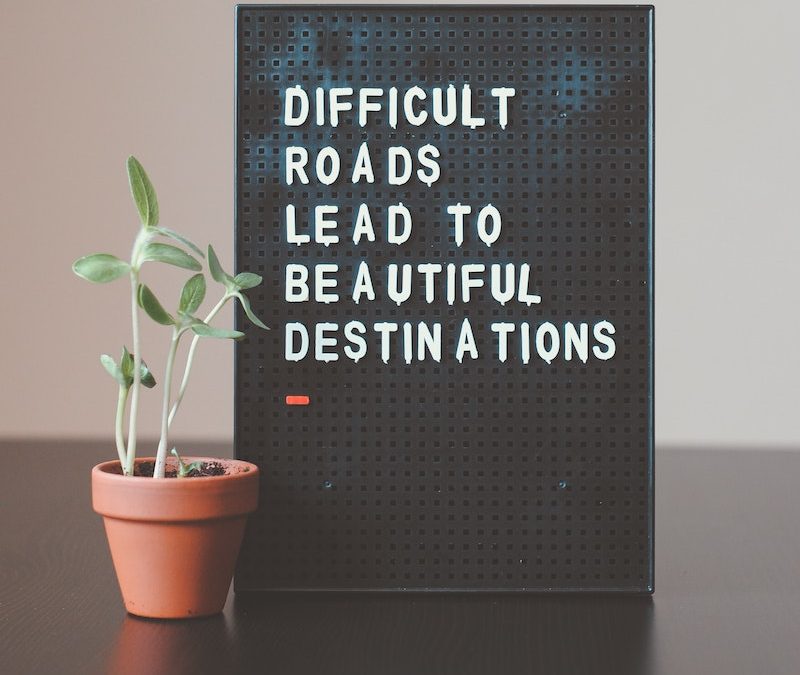
 to live life like a rockstar but to also
  so that you learn from them. So, if you did, you are all sorted, don’t let your mistakes define you.
 matter one bit what they think. It’s what I think and know I can do.
 things versus negative so she starts to flip the script and speak better about herself.
 ability to cope with stress, make decisions, relate to others, and function in our daily lives. When we talk about mental health in the workplace, we are referring to the way employees interact with their work environment and how their work affects their mental health. For example, an employee who is constantly stressed out by their job may suffer from anxiety or depression.
 poor job performance, absenteeism, and even accidents. It’s important to be able to identify the signs of mental illness so that you can address the issue before it becomes a problem. Some of the signs to look for include: poor concentration, changes in eating or sleeping habits, withdrawal from social activities, mood swings, and irritability. If you notice any of these symptoms in yourself or a coworker, it’s important to take action. There are several things you can do to
  the workplace. Mental illness is a real and serious problem that can have a major impact on employee productivity, morale, and even safety. In fact, poor mental health can lead to absenteeism, presenteeism, and medical claims costs. Mental health problems can also result in lost productivity due to job dissatisfaction, lower morale, and higher levels of stress. As an employer, you have a responsibility to create a healthy workplace that takes into account the mental well-being of your employees. There are several ways to address mental health in the workplace, including:
 their struggles. By creating a safe and confidential space for employees to talk about mental health, you can help address the issue before it becomes a problem.
 employers, addressing mental health can lead to reduced absenteeism and presenteeism, lower medical claims costs, and increased productivity. For employees, addressing mental health can lead to improved job satisfaction, increased morale, and reduced stress.
Recent Comments