Best Snorkeling Spots Near Ka’anapali: A Beginner-Friendly Guide to Maui’s Reefs
If snorkeling tops your Maui wish list, you’ve picked the right stretch of coast. Ka’anapali sits on one of the most snorkel-friendly shorelines on the island, and several of the best spots are a short walk or a quick drive from your condo. You don’t need a boat, a guide, or a full day – just a mask, a calm morning, and a few good tips.
Why Ka’anapali Is a Great Base for Snorkeling
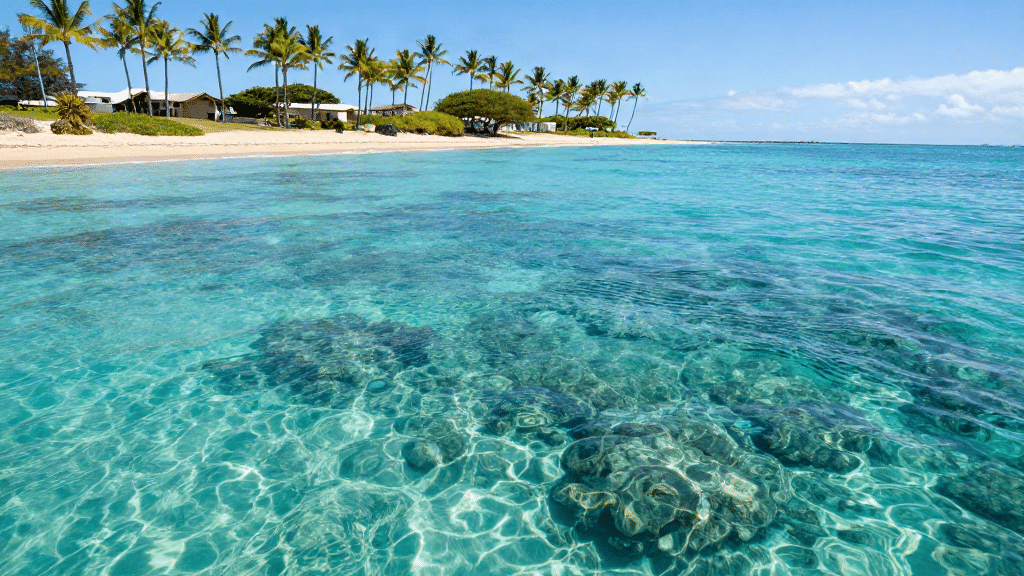
The west side of Maui is sheltered, so the water stays calmer than the windward coast most days, and the reefs sit close to shore. Beginners can ease in from the sand instead of leaping off a boat. Stay ocean-close in Ka’anapali and you can grab your gear and be floating over coral within minutes.
The Best Snorkeling Spots Near Ka’anapali
1. Kahekili Beach Park (Airport Beach)
A short drive north of the main strip, Kahekili is the local go-to for first-timers. The entry is gentle, the water is usually clear, and the reef lies close to shore. Restrooms, showers, and grassy shade make it an easy half-day. Go early, before the afternoon breeze.
2. Black Rock (Pu’u Kekaa)
The black lava outcrop at the north end of Ka’anapali Beach is the most famous snorkel spot on this coast, and it is walkable from the Ka’anapali resorts. Swim along the rock’s left side for the calmest water. You’ll often spot sea turtles, parrotfish, and clouds of smaller reef fish. The current can strengthen, so stay near the rock.
3. Ka’anapali Beach Shoreline
Even away from Black Rock, the beach holds pockets of reef and sand channels. This is your easiest option when you want to snorkel straight from your condo – ideal for families testing the water.
4. Kapalua Bay
A sheltered crescent about 15 minutes north, Kapalua Bay is postcard-perfect and beginner-friendly. The bay’s shape blocks the swell and the reef teems with fish. Parking is limited, so arrive before 9 a.m.
5. Napili Bay
Just past Kapalua, Napili Bay is small, calm, and known for turtles. The sandy entry and shallow reef make it a lovely second stop. Keep a respectful distance from wildlife.
6. Honolua Bay
Worth the 25-minute drive, Honolua is a marine life conservation area with some of the healthiest coral near Maui. Entry is rocky – walk in over the stones rather than stepping on the reef. Best in summer, when the north swell is down.
7. Olowalu Beach
South of Ka’anapali, Olowalu is nicknamed the coral gardens for its sprawling reef. It is a great backup when the north shore is windy, and the shallow, sandy entry suits beginners.
Gear, Timing, and Safety Tips
Go early. Morning water is calmest and clearest, before the trade winds build.
Rent or buy a well-fitted mask, since a leaky mask ruins a first snorkel faster than anything.
Wear reef-safe sunscreen and a rash guard instead of relying on lotion alone.
Never touch the coral or chase the fish. Look, don’t grab.
Snorkel with a buddy, and check the day’s conditions before you get in.
Make It Easy: Stay Steps from the Water
The best snorkeling near Ka’anapali happens when you can get there before the crowds. Booking an ocean-close condo means a five-minute walk to the sand, your own gear storage, and no parking hunt at sunrise. It’s the difference between a rushed outing and a reef you get almost to yourself.
The Bottom Line
From the calm entry at Kahekili to the famous drop at Black Rock and the turtle-filled waters of Napili, the best snorkeling near Ka’anapali is closer than you think. Pack a mask, pick a calm morning, and let the reef come to you.
Packing for a Hawaii trip usually means overpacking. When you book a PrimeStay Collective Ka’anapali condo, you can cross half the old checklist off – the kitchen, the beach gear, and the everyday basics are already waiting for you. Here is exactly what to pack for a Maui condo, what your rental already stocks, and what you can safely leave at home so your suitcase stays light and your beach days start sooner. We hear the same question from nearly every guest before they fly, so this is the practical, tested list we send them – focused only on what you genuinely need for a week by the water, so you can pack once, pack light, and land ready to walk to the beach.
## What Your Ka’anapali Condo Already Provides
Before you buy anything, it helps to know what is included. Every PrimeStay Collective unit is set up like a home, not a hotel room. The kitchen is ready for real cooking – cookware, dishes, glassware, and flatware, plus a coffee maker, toaster, microwave, and full-size refrigerator, with basic pantry staples stocked. Beach gear is on hand too: chairs, an umbrella, beach towels, and often a cooler, so you are not renting or buying gear at the resort. You also get fresh bed and bath linens plus a separate supply for pool and sand days, in-unit laundry with detergent so you can wash mid-stay, and everyday comforts like Wi-Fi, TV, a hairdryer, an iron, and starter toiletries.
## Clothing Essentials for Maui’s Climate
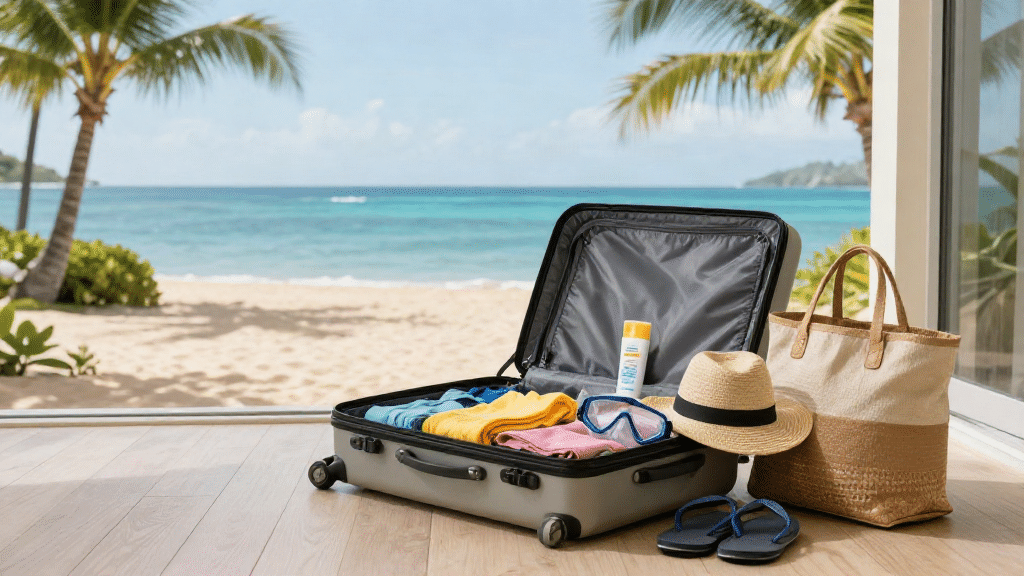
Maui is warm, casual, and breezy, so plan for a few outfits you can re-wear rather than a full wardrobe. Pack light, breathable layers such as t-shirts, shorts, and sundresses that dry fast, and bring two swimsuits so one can dry while you wear the other. Add one light layer for breezy mornings and air-conditioned evenings, and keep footwear simple: flip-flops or sandals plus one comfortable pair of walking shoes. One easy outfit you can dress up with a simple accessory covers dinners out. There is very little formality here, so a light rain shell and quick-drying fabrics cover almost everything Maui will throw at you.
## Beach and Ocean Day Essentials
These are the items worth packing carefully, because you will use them every single day. Bring sunglasses and a wide-brimmed hat, since the sun is strong even when the trade winds feel gentle, and pack reef-safe sunscreen – Hawaii bans sunscreens containing oxybenzone and octinoxate, so pick reef-safe formulas and reapply often. A reusable water bottle keeps you hydrated between beach sessions and hikes, a dry bag or waterproof phone pouch is perfect for snorkeling, paddleboarding, and boat days, and a light daypack makes hauling towels, snacks, and water to the sand easy.
## What to Leave at Home
Knowing what not to pack is just as useful. Skip full-size hair tools you will not use in the humidity, bulky beach towels and large snorkel sets your unit may already provide, a separate evening wardrobe you will never wear, and multiple pairs of shoes you will not touch. Fewer bags mean less to carry and more room for souvenirs.
## What to Buy Once You Land in Ka’anapali
You do not need to fly with groceries or bathroom basics. A quick first-day stop near the airport or in town is easier and often cheaper: sunscreen, snacks, and drinks, plus local fruit, poke, and fresh fish from nearby markets, and any small item you forgot. Almost everything is easy to replace once you arrive.
## Quick Pre-Trip Packing Checklist
– Swimwear you can rotate while the others dry – Light, re-wearable clothing for warm days – One light layer and a rain shell – Flip-flops or sandals and one pair of walking shoes – Reef-safe sunscreen, sunglasses, and a wide-brimmed hat – Reusable water bottle, dry bag, and a light daypack – Prescriptions, chargers, and travel documents within reach
## Pack Light, Land Happy
The best Maui packing list is a short one. When your rental already comes stocked with the kitchen basics, beach gear, and everyday essentials, packing becomes simple: clothes for warm days, sun protection, and room to spare for what you bring home. Book direct with PrimeStay Collective for a clean, well-stocked, ocean-close Ka’anapali condo – no booking fees, instant confirmation, and a real person ready to answer your questions before you even land.
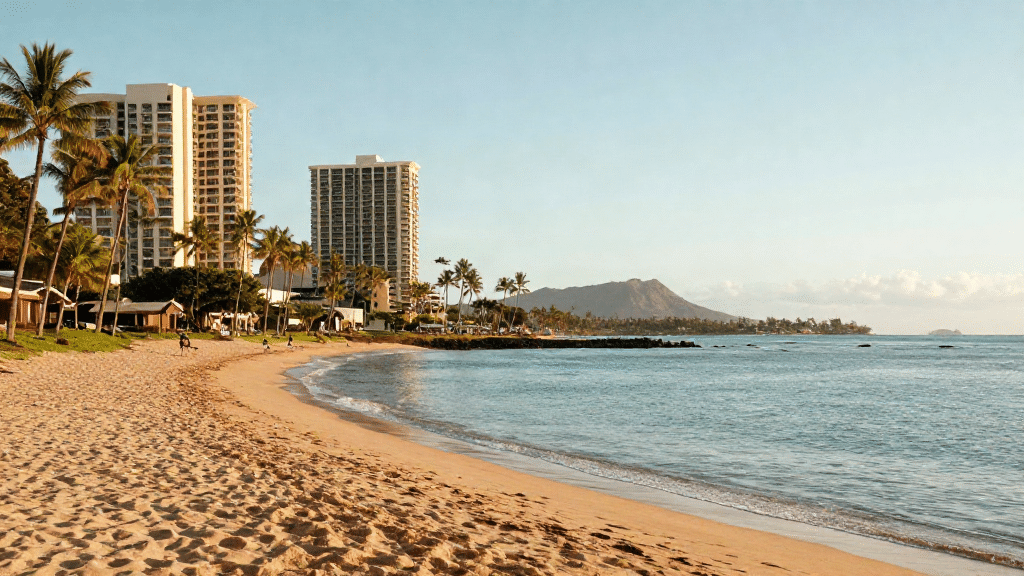
If you’re planning a Maui getaway, one of the first decisions you’ll make is which coast to call home for the week. Two names come up again and again: Ka’anapali on the west side and Kihei on the south shore. Both put you close to the ocean, both deliver dependable sunshine, and both are packed with condos you can rent. The real differences show up in the details – the beach, the vibe, the cost, and how easy it is to walk out your door and into your vacation. Here’s a straight comparison of Ka’anapali vs Kihei so you can pick the coast that fits your trip, whether you’re a couple escaping for a week or a family hauling boogie boards and cooler bags to the sand. ## The Beaches: Golden Sand With a Reef vs. Miles of Swimmable Shoreline Ka’anapali is built around one long, swooping beach of soft golden sand. The water inside the bay is protected by an offshore reef, which keeps the surface calm and makes it easy to swim, float, and snorkel without fighting a current. At the north end, Black Rock (Pu’u Keka’a) is one of Maui’s classic snorkel spots – expect reef fish, the occasional sea turtle, and a scenic cliff jump for anyone feeling brave. Because the beach fronts the resort area, it stays groomed and walkable end to end. Kihei is not one beach but a string of them. The Kamaole Beach Parks I, II, and III anchor the coastline, with Charley Young Beach to the north and Cove Park to the south. These are public-park style beaches: lifeguard towers, grassy lawns, picnic tables, and barbecue grills, which makes them wonderful for families who want to spread out for the afternoon. South Maui water tends to be calm in the morning and breezier by mid-afternoon as the trade winds fill in. The takeaway: if you want one beautiful, swimmable beach right outside your condo, Ka’anapali delivers it. If you like sampling a new stretch of sand every day, Kihei gives you more variety within a short drive. ## Weather and Seasons Both coasts sit in the dry, sunny lee of their respective mountains, so you’re unlikely to get rained out on either side. West Maui, including Ka’anapali, is famously sunny and slightly more sheltered, with the bay absorbing some of the afternoon wind. South Maui, including Kihei, is often the warmest and driest part of the island, which is a plus in winter and something to plan around in the middle of summer. Winter brings larger surf to north- and west-facing shores. Ka’anapali’s reef keeps the bay far more swimmable than a raw open-ocean beach would be, but always check conditions before you paddle out. ## The Vibe: Resort Buzz vs. Local-Town Easygoing This is where the two coasts feel most different. Ka’anapali is a planned resort destination, and it shows. The Ka’anapali Beach Walk links the oceanfront resorts, condos, and restaurants in a pedestrian-friendly path, with Whalers Village offering shops and casual dining and a nightly torch-lighting and cliff-dive ceremony adding a bit of ceremony to the evening. It’s polished, self-contained, and easy to navigate on foot. You can park the rental car on day one and barely touch it again. Kihei is a real town that happens to sit on the ocean. You’ll find plate-lunch spots, food trucks, surf shops, and neighborhood shopping centers rather than a curated resort promenade. It’s laid back, a little spread out, and rewards travelers who like the feel of living like a local. Plan on driving most days. ## Cost, Condo Quality, and Walkability On paper, Kihei usually wins on nightly rate. It has more inventory and a broader range of budgets, and you can often find a larger unit for less money. Ka’anapali commands a premium for the address, the beach, and the walkability. But the nightly rate is not the whole story. Platform service fees – charged on top of the listing price by the big booking sites – can quietly add a meaningful percentage to your total, on top of cleaning fees and, in some resort areas, daily resort charges. When you compare the true cost of a week, the gap between the two coasts often narrows more than the headline rates suggest. Condo quality varies on both coasts, but in Ka’anapali you’re more likely to find recently renovated, ocean-close units that are genuinely a short walk from the sand and the Beach Walk. Walkability is where Ka’anapali pulls ahead: beach, dinner, and shops without a car. Kihei is more car-dependent, though some condos sit directly across from the Kamaole beaches. ## Who Each Coast Suits Best Choose Ka’anapali if you are: – A couple planning a romantic week where sunset dinners and beach walks are the highlight – A family that wants a walkable base and a calm, swimmable bay for the kids – A first-time visitor who’d rather not spend the trip navigating – A repeat visitor who wants consistent, well-maintained condo quality Choose Kihei if you are: – Traveling on a tighter budget or staying longer and want more space for less – Someone who loves local restaurants, food trucks, and a town atmosphere – Part of a group that plans to drive to a different beach every day – Happy to trade walkability for lower nightly rates ## Why a No-Fee Ka’anapali Condo Wins on Value Here’s where the comparison gets interesting for value-minded travelers. If you love the Ka’anapali side – the calm bay, the Beach Walk, the sunsets – you don’t have to accept resort-area pricing or platform fees to stay there. Booking direct with a host like PrimeStay Collective means no Airbnb or VRBO service fees layered onto your total. Your money goes toward the unit, not the middleman. You get ocean-close condos in Ka’anapali that are clean and well stocked, a quick walk to the beach, secure Stripe payments, flexible cancellation, and 24/7 guest support. And because you’re booking with a real person rather than a call center, communication is direct and fast – questions answered before you arrive, not after. That combination is what makes a direct-booking Ka’anapali condo such a strong value play: you get the west-side beach and walkability you wanted, at a total cost that competes with the so-called cheaper coast once the fees are stripped away. ## The Bottom Line Ka’anapali vs Kihei isn’t really about which coast is better – it’s about which one matches your trip. Kihei wins on price and local flavor. Ka’anapali wins on the beach, the walkability, and the overall ease of a vacation where everything you need is a stroll away. If the west side is calling, you can have it without the fees. Browse ocean-close Ka’anapali condos, book direct, and get instant confirmation – no service fees, no surprises, just the coast you came for.
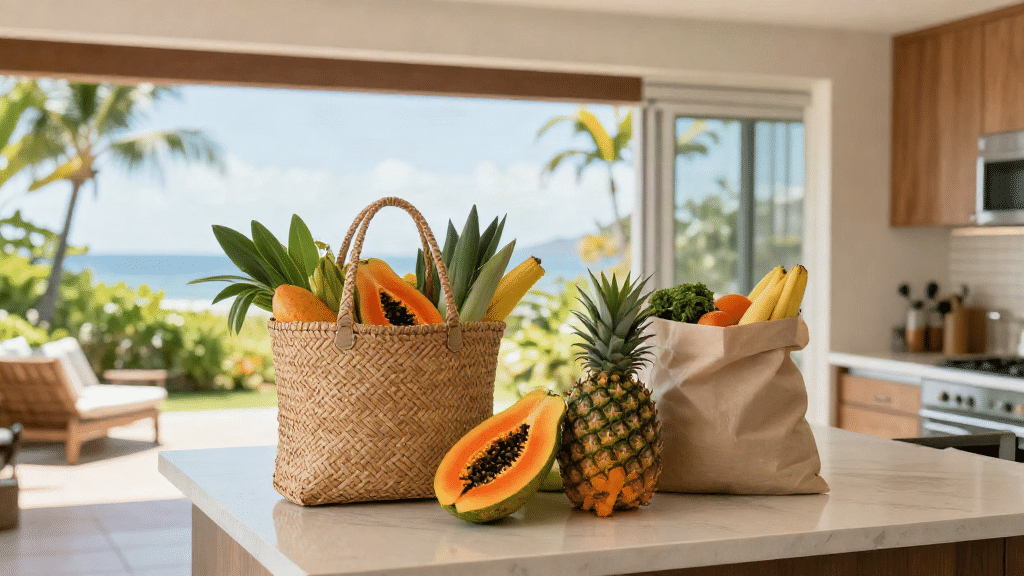
How to Stock Your Ka’anapali Condo Kitchen: Grocery Runs, Costs, and Local Shops One of the quiet joys of booking a condo instead of a hotel room is the kitchen. Real burners, a full-size fridge, and a lanai table where breakfast tastes better than any resort buffet. But that kitchen only pays off if you know where to shop once you land. Here is a practical guide to grocery stores near Ka’anapali, what to buy on day one, and how to feed a couple or a family for a week without overspending or overbuying. ## Why a Condo Kitchen Changes Your Maui Food Budget Maui restaurants are wonderful and Maui restaurant prices are real. A casual dinner for four can run well past $150 before tip, and even a simple breakfast out adds up fast across a seven-day stay. A stocked condo kitchen flips that math. Coffee and fruit on the lanai before the beach. Sandwiches packed for a road to Hana day. Grilled fish from a local market, eaten at sunset without a reservation. Most guests who cook even half their meals save hundreds of dollars over the week, and they eat on their own schedule instead of waiting for a table. ## The Closest Grocery Stores to Ka’anapali Ka’anapali sits on the west side of Maui, and the grocery options are closer than most first-time visitors expect. Times Supermarket – Honokowai. About five minutes north of the resort area, this is the local go-to for everyday staples, plate-lunch basics, and a solid poke counter. Foodland Farms – Lahaina (Kauhale Center). Roughly ten minutes south, this is the upgrade trip: better produce, a strong deli, and a bakery that earns its reputation. Safeway – Lahaina. Another ten-minute run south, familiar brands, reliable hours, and a loyalty card worth grabbing at the register. Costco – Kahului. Around 45 minutes away near the airport, best done on arrival day. If you are feeding a big family for a full week, the bulk run can be worth it. Farmers markets and farm stands. The Napili and Honokowai area has small stands and Saturday markets with Maui-grown fruit, avocado, and banana bread. Hours vary, so ask your host what is open the week you arrive. ABC Stores and local markets. Perfect for a forgotten lime, sunscreen, or a late-night ice cream run. ## What to Buy on Arrival vs What Is Already Stocked At PrimeStay Collective, every unit is stocked before you walk in, so you are not starting from an empty cabinet. Already waiting for you: cooking oil, salt and pepper, basic spices, coffee filters, dish soap, sponge, paper towels, trash bags, foil, and a starter set of pantry basics. Buy on arrival: eggs, butter, milk or creamer, bread, fresh fruit, coffee, and whatever protein you want for the first two dinners. Buy mid-week: fresh fish, produce, and anything perishable you will actually eat in the next few days. On an island, fresh is the whole point, and buying twice beats watching food wilt in the fridge. ## Budget Tips for Feeding a Couple or a Family for a Week – Plan dinners, wing the rest. Decide five dinners before you shop. – Shop the deli and poke counter. A pound of fresh poke, rice, and greens is a $25 dinner that beats most restaurants. – Buy local fruit by the piece. Maui pineapple, papaya, and apple bananas are cheap and ripe. – Bring your own bags and a cooler. A soft cooler keeps a Costco or Lahaina run cool on the drive back. – Check the condo before you shop. Knowing what is already stocked stops duplicate buys. – Cook one big meal, eat it twice. Grill extra chicken or fish and turn it into tomorrow’s lunch. Rough real-world budget for a family of four cooking most meals for a week: about $250-$350 in groceries, versus $700 or more eating out twice a day. For a couple, $120-$180 comfortably covers the week. ## Make the Kitchen Work for You A well-stocked Ka’anapali condo gives you slow mornings, sunset dinners on the lanai, and the freedom to eat when you are hungry. When you book direct with PrimeStay Collective, there are no booking fees, the unit is stocked and ready on arrival, and you talk to a real person who can tell you exactly which market is worth the drive this week. Book direct, skip the fees, and let the kitchen do the rest.
Booking a vacation rental directly should feel exciting, not risky. Yet when you land on an independent host’s website instead of a familiar booking marketplace, one question tends to come up fast: is it safe to book a vacation rental direct? The short answer is yes. When you choose the right host, direct booking is often safer, simpler, and cheaper than going through a big platform. This FAQ answers the questions first-time direct bookers ask us most about a Ka’anapali, Maui condo, in plain language, from the moment you click book to the moment you land back home in Maui. When you understand how the money moves, how your confirmation works, and how a cancellation is handled, the worry fades and the reservation stops feeling like a leap of faith. Read through each question at your own pace, and notice how quickly booking direct starts to look like the secure choice rather than the risky one, with no hidden gotchas before you commit to your dates. Our goal is simple: by the time you finish reading, you should know exactly what happens at every stage, which is the cheapest travel insurance there is, and it costs nothing but a few minutes of your time before you book an ocean-close Ka’anapali condo.
Is It Safe to Book a Vacation Rental Direct? The Short Answer
Safety in a direct booking is not about the size of the website you land on. It comes down to three concrete things you can check in a few minutes:
A host you can reach by phone, text, or email before and during your stay
A secure, well-known payment processor handling your card
Written terms you can read in full before you pay a dollar
A marketplace gives you a familiar logo, but your reservation is still hosted by an individual owner. Booking direct simply removes the middle layer so you talk to that owner yourself. When all three pieces are in place, you are as protected as any platform booking, and usually more.
What Makes a Direct Booking Secure?
A host you can actually reach
Before you book, send a question by email or phone. A trustworthy host answers, often within the hour, and keeps answering for the whole trip. You should never feel like you are chasing a chatbot into a queue.
Secure payment processing
Legitimate direct hosts use a trusted payment processor. We use Stripe, the same payment infrastructure behind thousands of mainstream online businesses. Your card details go to that processor, never into an email or a text message, and your host never stores your full card number.
Instant written confirmation
A safe booking produces paperwork right away: your dates, the unit you reserved, the nightly rate, the cleaning fee, the taxes, and the total. If a host cannot send a clear written confirmation, that is your first signal to slow down.
How Payment and Deposits Actually Work
When your card is charged
Most direct hosts either take the full amount at booking or a first payment with the balance due closer to arrival. Either way, the schedule is written down before you agree, so you can point to a sentence that says exactly when each charge happens.
How the security deposit works
A refundable security deposit is a hold, not a fee. It covers accidental damage and comes back after checkout, once the unit is inspected, usually within a set number of days the host states up front.
How Cancellation Works When You Book Direct
Cancellation terms are the part people read last and worry about most. Direct hosts can offer more flexible policies than a rigid platform because they set their own rules. A clear policy spells out how many days before check-in you can cancel for a full refund, what happens inside that window, and how the deposit is handled. Ask for it in writing before you pay, and keep a copy.
Red Flags to Avoid When Booking a Rental Direct
A request for a wire transfer, gift cards, or a payment to a personal account
No phone number, no physical address, and no way to reach a human
A price far below every similar unit nearby
No written cancellation or deposit terms
No reviews, no photos of the real unit, or pressure to book within the hour
Any one of these is a reason to pause. Legitimate hosts welcome questions and never rush you past the details.
Why Booking Direct Usually Costs Less
Marketplaces charge the host a commission and often add a guest service fee on top. Direct hosts skip those layers, so the same condo can cost less when you book directly. At PrimeStay Collective there are no booking fees, and you see one clear total instead of a fee stack that grows at checkout.
The Bottom Line
Is it safe to book a vacation rental direct? Yes, when the host uses secure payments, confirms in writing, answers the phone, and publishes clear terms. Those four habits are the whole test, and they take only a few minutes to check. Do that, and you get a better price, a faster answer, and a vacation that starts the moment you decide to go.

Recent Comments