How often have you found your kid being stubborn to get a toy they liked? And later for another, until it goes on and on, and there’s no stop to your kids’ desires even when they already have something similar right at home.
When it comes to raising children, an essential part of it is inculcating good values to ensure that they become kind humans when they grow up. One of these values is gratefulness. But even when every parent wants that; they think that it’s almost impossible because the world in which they live is driven by materialistic temptations.
While we cannot help but accept this harsh reality, at the same time, we must believe in the power of our values and upbringing. If we feed in strong values in them, they won’t rebound. They’ll stick to them because it will become their way of life.
In other words, if you’ll teach your kids to be grateful for things they have from the very start, then they might not grow up to be materialistic and ungrateful people. They will know their values, and they will live by them.
How to Raise Grateful Kids in an Entitled World
I have a personal story of someone in my immediate family who I believe was not given these tools to be grateful. And as an adult, and an older adult, they still haven’t learned how to be grateful. This person throws a fit when they don’t get what they believe they deserve, not need, even though money isn’t readily available to have the thing they want. Until they get something they want, they won’t talk to their spouse or will make their life miserable until the other person gives in and gets what they want, even if it means going without other necessary things like food or electricity.
It’s a hard thing to watch, honestly. And my girls have experienced it first hand from this person. And Steve and I remind them every day to not be like this person. It’s not a good look and it makes people really angry and not want to be around them.
Just in case, you are wondering how to raise them to be grateful, this article is all you need.
Here are 7 ways to raise grateful kids in an entitled world:
1. Stop rewarding them
Yes, rewarding kids makes your work easy – kids finish their milk, pick up their toys. And you save a lot of energy by not running after them. A win-win!
But is it really a win-win? Because even though you both get what you wanted, you cannot ignore that your constant rewards are inculcating no good value in them. In fact, you are training your kids to be materialistic and greedy in the future.
The thing is when you keep on rewarding your kids, they would never do things because they should. Right now, they are expecting something in return, later when they grow up to be adults they will never consider doing good things just out of their heart- they will always be greedy to want something or the other.
Thus, now is the time to reflect on your methods and tricks as a parent. Take extra efforts, don’t opt for rewarding schemes. Even if you have to, don’t offer material things as rewards – but some other privileges like allowing them to choose a restaurant for your next dine-out, a star sticker perhaps on their hands for being good. But even when you are at it, just limit it, ensure that you don’t use the reward system exceedingly, and make your child dependent on it.
2. Allow your kids to do their chores
Your kids might be kids, but it does not give them a free pass to not do their chores. On the contrary, when you do their chores, you are offering them comfort and privileges; kids never learn to be grateful when they are in their comfort zone. They must know what it’s like to be on their feet all day doing this chore and that. The only way to let them know is to allow them to do the chores themselves. You do not have to ask them to do all the work, but only their chores – like cleaning up their rooms, washing their dishes, etc.
For the record, when kids do their chores, they also learn to become independent in life; it also inculcates a sense of responsibility and maturity in them. At the same time, they become grateful because once they start doing the chores themselves, they realize and acknowledge all the efforts that you put in for them. If you need some support and help with this one, read my post on the topic HERE.
3. Practice gratitude with them
When you have to raise your kids to be grateful, practicing gratitude daily can significantly help. You can encourage them to create their gratitude journal wherein they write down two things they are grateful for, every day.
To heighten their interest, you can encourage them to be creative. You can ask them to doodle, paint, or calligraph their words so they enjoy the process as well. However, you do have to make sure that they do not see it as a kind of obligation. They should practice gratitude because they want to and because they mean what they write down.
Mind that, children learn more from you than the world outside. Thus, if you practice gratitude as well, perhaps they’ll end up picking the same habit. This is a HUGE one in my house because I grew up seeing the other side of this and knew I didn’t want anything to do with that.
4. Interact with kids
When you have a relationship wherein there’s unhampered communication; your kids will have a free, interesting, and healthy upbringing. You can use communication to raise them to be grateful. For instance, you can start a conversation wherein you begin by mentioning things you are grateful for. Then, you can invite them to do the same.
We recently went to Disneyland because both girls are finally old enough to remember the experience since we went in 2016 and Finlee (pictured here) was only 8 months old back then. Now that she’s 6 we could have a conversation and figure out what she really wanted to see and do as well as what Leila (almost 11 now) wanted to do/see to maximize our time and see everything. It was great getting to have a conversation with the both of them separately as well as together to get on the same page. I make a point every day to speak to them even if it’s in the car on the way to school or swim practice. Every little bit helps and I know they enjoy it and listen because it generally comes back later in conversation about what we spoke about and their lesson.
Simultaneously, you can make use of nighttime stories to inculcate good values in them. Children learn a lot from stories, so you can perhaps pick a story that communicates the good value of gratefulness. There’s always a lesson to be learned, even if it’s something you might not feel is important — kids are always listening and watching.
5. Change your ways of life
As mentioned before, children learn a lot from you. This means you have to change your habits which are promoting the opposite of gratefulness. Starting from your shopping instincts – you cannot be a spontaneous shopper in front of them; you would be promoting materialism if you do so.
Secondly, you have to teach them the importance of money. Your children need to know that money is hard to earn, which is why they must be grateful for what they have, and what you earn for them. You can’t just teach them to ask for something that costs money and it automatically appear. They have to know things aren’t free and money is require for them to get things.
6. Allow them to cherish moments
Looking for a birthday gift for your kid? Well, how about gifting them moments and memories instead of a brand-new remote-controlled car?
That being said, your goal should be to raise children in such a way that they value experiences, moments, and memories, not things. When they value these intangible aspects of life, they’ll bother less about tangible things. This is my number 1 suggestion and ask when my girls have birthdays, Christmas, or any other time they would get a gift. I always say we can provide everything they need, and even things they want at times, so their time and memories are more important with the gift giver than things. Sometimes people listen, and I’ve come to learn that those who continually get them gifts instead of spending time don’t want to put in the effort, sadly. And my girls are learning who they can count on and who they want to spend time with, for fun, not just on holidays.
7. Encourage them to be kind and giving
Kindness is the greatest gift. Unfortunately, we live in a world wherein parents do not emphasize the value of kindness. They teach them abacus and poems, but they forget preaching kindness.
If you have to raise grateful kids, you have to encourage kindness. You have to let them know that there’s a world out there that is not blessed with the privileges that they have, which is why they must be grateful and at the same time, do their best to make it a better place.
For the said purpose, you can do the following.
Go out for a donation drive every month as a family.
Encourage your kids to donate their extra clothes and toys.
Go out to orphanages and interact with the people there.
Encourage them to help out other kids at school.
Encourage them to share their lunch with those in need.
Encourage them to be good Samaritans and volunteer for good causes.
Lastly…
Gratefulness can neither be taught nor learned in a few days. It takes months, years, but most importantly, it takes a change of habits, and lifestyle to develop a grateful outlook. So, if you are a parent who is trying, we hope these tips help you out in the endeavor.
Household chores are regular tasks that enable the proper functioning and operating of the home as a system. Nobody actually enjoys doing chores. For adults, they are simply mindless tasks that have to be done every day. But what about kids?
Some parents want their children to enjoy their youth, playing in the garden instead of weeding it. Because childhood once gone, never comes back. Some parents think it is our job as adults to take care of our children. So why should we involve the children in our work?
However, research shows that kids who are taught to do the chores are more confident and self-dependent in their adulthood, and do not face a lot of adjustment problems. And the reasons for that are listed below.
Why your child needs to do the chores
1. Learning Life Skills
As children, they do not have to take care of chores like laundry, budgeting, and cooking. But they are going to grow up someday when they will run their own house. These skills are something which is not taught in schools and colleges but only at home. If kids are not taught their responsibilities at a young age, they will feel helpless when they go to college and have to live on their own.
2. Being more responsible
Why your Child Needs to do the Chores
By assigning household chores to your kids, you are reinforcing that they are held accountable for something. And thus helping them learn how to deal with bigger responsibilities better in their later lives.
3. Gaining Self Confidence
Kids become self-dependent and confident in their capabilities when they complete duties assigned to them successfully. Especially chores that are directly related to their life like cleaning their own room, arranging their toys, making their bed, etc.
This not only makes them independent and confident but also enables them to become more aware of their duties. They will become more mindful of their space and will buffer themselves from creating an unnecessary mess.
4. Learning Teamwork
Doing the household chores makes your child feel like an efficient member of your family, and teaches them that working in a team requires reliance on others as well as expectations on yourselves. These lessons of working in a team and bearing expectations and responsibilities on one’s self equip your kid for his or her future life in workplaces.
5. Learning time management
Sometimes, a person gets overwhelmed with all the work that needs to be done in a single day. Doing chores can help the children learn planning and time management. For older children, balancing schoolwork, housework, as well as extracurricular activities together, can be a really challenging task, but it is essential for them to learn how to plan their days, for they will face much more challenging schedules later in life.
6. Develops work ethics
Rewarding the children when they complete their chores, especially with an allowance, is a common practice used to motivate the kids to do the chores in the first place. This helps build a strong work ethic in them, and they are motivated to work harder at their jobs, a skill that comes in handy in the workplace.
7. Family bonding
Chores also allow you more time with your children during the day. When the parents are doing all the household work while the kids are playing, it’s easier for kids to get bored and develop a feeling of being neglected. The solution to this is to get the children to partake in the chores so that they can spend meaningful time together.
As a kid, no one likes doing chores until they are incentivized. But once older and more mature, children themselves realize the benefits of contributing to the family by helping in the proper maintenance of the household. Most importantly, doing chores imparts invaluable life lessons to the kids, teaching them the ways of the real, outer world and giving them the confidence they need to survive in the world as an individual.
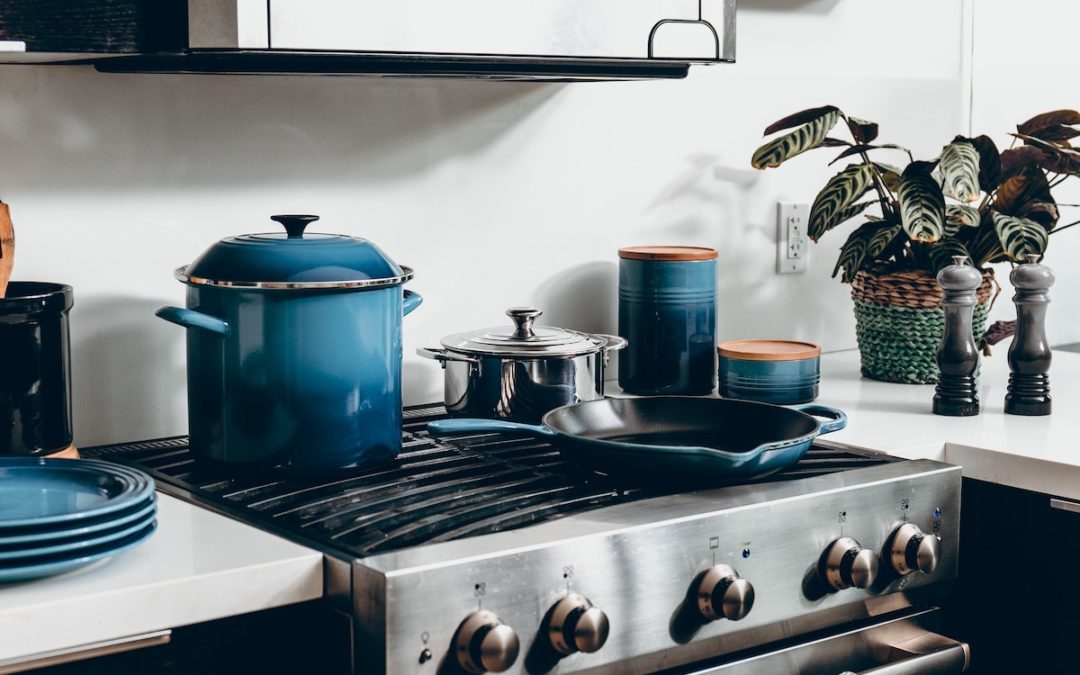
Since humans started cooking, we’ve been using cookware to prepare our food. It wasn’t until recently when people became aware of the dangers in using certain cookware materials such as aluminum and Teflon that non-toxic, eco-friendly alternatives have begun to surface.
You may be wondering why it’s so important to begin using non-toxic cookware. Nontoxic cookware can help ensure that you’re not putting harmful toxins in your body. For example, some less expensive pots are made of aluminum which has been connected with neurological disorders including memory loss, slurred speech, numbness in hands and feet, dementia…the list goes on. Teflon pans release a highly toxic gas when heated at high temperatures which leads to adhesions in the lungs & contributes to cardiovascular disease. The best options are stainless steel, ceramic coated, ceramic cookware, cast iron, and glass. These pans are non-allergenic, easily cleaned, and preserve the taste of food.
Non Toxic Cooking Pots And Pans
1. Stainless Steel Cookware
Great set of Stainless Steel pots and pans! Click to check out
Stainless steel is a metal alloy made with chromium and nickel which ensures that it does not rust or corrode after long-term use. In addition, stainless steel is known for being easy to clean. This makes it an ideal cooking pot since the toxicity of other metals present in less expensive pots leach out over time causing dangerous health conditions such as cancer to develop. The most common colors for stainless steel cookware are silver and brushed steel. Some stainless steel pots and pans come with a copper or aluminum core. These two elements make the stainless steel more durable and help distribute the heat evenly throughout the pot and pan.
2. Teflon Cookware
Teflon is a nonstick coating made of metal fluoropolymers that keep food from sticking to cooking equipment during normal kitchen use, such as frying, grilling, roasting, and baking. This makes it very easy for you to cook without needing to use extra oil or butter which means fewer calories! Teflon releases toxic fumes at 400°F so it’s not safe to use on high heat on your stovetop making them only suitable for low-temperature cooking.
3. Cast Iron Cookware
Cast iron is a form of formed metal that has been used for hundreds, if not thousands, of years. Moreover, cast iron cookware is very durable and tends to be made in one piece as opposed to other types. Such as stainless steel cookware which may use multiple pieces welded together. It’s normal for cast iron pans to have a rough surface which requires extra care and maintenance cleaning to ensure no food bits get stuck and eventually rust over time. If you notice rust on your set, just clean it properly and be sure to re-season it before putting it into use. Enameled cast iron can be found at most kitchen stores and online outlets like Amazon.
4. Ceramic Cookware
These types of pots & pans not only look great but also offer a sleek design that is easy to clean. Ceramic falls
Complete set of Ceramic Nonstick pots and pans. Click to shop
into two categories; felsic and mafic. Felsic ceramic is made of light elements, magnesium, or sodium while mafic ceramic contains heavy elements such as iron or titanium. Ceramic cookware is usually made with felsic materials like borosilicate glass. This makes it resistant to high-temperature shocks. This also allows you to put your glass pot, or pan in the oven without cracking the material.
Pure ceramic has amazing properties that make it a great material to use in everyday life. Pure ceramic can be heated from -30°C (-22°F) to +450° C (842° F). It does not bar any flavors or toxins which makes it healthy for your body. Pure ceramic is also dishwasher safe, non-leaching, and contains no PTFE or PFOA.
The high-quality ceramic coating emits a high amount of heat which is evenly distributed, making them an excellent choice when cooking steaks and other similar foods with high-fat contents since the high-quality surface will make it easy to release food easily while adding crispiness. Another advantage of high-quality ceramic coated cookware is that they provide scratch resistance due to their thicker surface. Which resists scratches by knives and metal utensils. This makes them a great option for busy families who need something durable but also dishwasher safe!
Glass cookware has become increasingly popular because of its ability to be used on all cooking surfaces (electric, induction stovetops, halogen burners, gas ranges) making it the most versatile type of pot & pan you can find! It comes in various shapes, sizes, and colors. They can be used on high heat but shouldn’t be exposed to high temperatures for a long period. Since high heat can cause high-quality glass cookware to break. They’re oven-safe so you can use them for a range of different cooking tasks. Oftentimes, you can find glass cookware set to have different options and sizes.
6. Earthenware Cookware
These types of high-quality pots & pans are made from a high-temperature resistant earthenware clay. Which makes them a good choice for cooking with medium to low heat. Some people recommend that you preheat your set before use. But this isn’t necessary since they’re oven safe and can be used in the oven.
7. Nonstick Cookware
A pan that does it all! The Our Place pan.
Nonstick pans are typically made of aluminum or copper with a nonstick coating to prevent food from sticking to the cooking surface during normal stovetop use. They’re also oven safe. So you can easily place them in your toaster oven, regular oven, broiler, and even a grill. If the temperature goes above 450°F, these pots will release harmful toxins into your home making them unsafe for daily use.
The best way to ensure you’re using high-quality materials is to buy well-known brands that have built up their reputation over time through customer satisfaction. If you have a high-quality set that is PTFE or PFOA-free, be sure to follow the manufacturers’ instructions regarding cooking on high heat and high temperatures. For example, Le Creuset has been manufacturing enamel-coated cast iron cookware since 1925! Le Creuset is well known for its dutch oven products and easy cleaning. Other recommended brands include Calphalon, Anolon, Cuisinart & Emeril.
8. Induction Cookware
Induction stovetops are very popular because they heat up quickly and distribute heat evenly throughout the pot or pan while providing steady control over the heating process allowing you to delicate sauces like béchamel. This high-quality cookware is high heat resistant. And won’t release toxic fumes when exposed to high temperatures which makes them a high-quality choice for cooking with high heat on an induction cooker. They’re made from high-grade stainless steel or cast iron. Both of which are high-quality materials that will last you a lifetime.
9. Outdoor Pots & Pans
When you want to enjoy the great outdoors with your family, you must use safe materials when grilling on your grill. If you tend to buy cheaper brands like Walmart, Harbor Freight, or Target, they may not be made of high-quality materials which can cause toxins to seep into your home while cooking; especially if the heat is too high! Other indoor cooking appliances like ovens also emit toxic fumes at higher temperatures. So it’s necessary for you to research the materials used in the pots and pans before buying them.
10. Other Heat Resistant Utensils
Other heat-resistant utensils that can resist high heat include silicone, and copper. They come in various shapes, sizes, and colors allowing you to find those that best suit your cooking needs.
If you’re unsure about whether the pans are oven or dishwasher safe then always better off doing some research before purchasing! Just remember that being able to resist heat is not the only criterion since putting hot pans in water can also cause warping making them unsafe for storage.
When you’re cooking in high heat, pay attention to the smoke. If it’s starting to produce a chemical smell or smells like burning plastic, this means you should lower the temperature or get out of the kitchen until the fumes have cleared up. Never leave high heat cooking unattended. Because toxic fumes can cause fatigue, headache, nausea, and even unconsciousness! Lastly, never use high heat when using nonstick pots & pans. Since this will significantly increase your risk of being exposed to harmful toxins.
Universal Kitchen Cookware Items
For items that are used for more than one cookware type, it’s best to buy universal kitchen items that are compatible with other types of pots and pans. For example, stainless steel tongs can be used on all cooking surfaces. This makes them a great accessory while you’re cooking in any pot or pan!
Wooden Cooking Utensils
Because you don’t want your wooden utensils to absorb heat making them difficult to handle, wood should only be used when cooking over low heat sources like simmering sauces, slow cooker dishes, or soups/broths which are allowed to come up to temperature slowly. Never use wooden utensils in high heat settings. Since this will increase the likelihood that harmful toxins will be leached from the wooden material.
Refurbishing Pots and Pans
If you’ve got high-quality pots & pans that are made with high-grade materials then some refinishing can make them look great while increasing their safety. You can do this by polishing and re-seasoning high-quality nonstick pots & pans which have been accidentally scratched.
Although high heat is often the culprit when it comes to irreparably damaging high-grade materials, there are some things you can do to fix them up including using a high-temperature lubricant if the pan has become dry or bits of food has burnt onto its surface while making sure to choose high-quality ones that will not cause damage over time.
High-quality refurbishing products
With cast iron pots & pans, high-quality refurbishing products include Lodge’s stovetop cleaner and Seasoning Spray. You can also use a self-cleaning option. Since a lot of people find that their high-quality cast iron skillets develop flavors from cooking with each subsequent use. We tend to wipe ours down with a cloth to get the liquid out. And then let the rest sit until the next use.
Seasoning high-quality nonstick pans can be done through the use of high heat oils while keeping in mind that high temp options like flaxseed oil, grapeseed oil, and coconut oil are safer since they emit a high amount of smoke before reaching their flash point making them a better choice than low-quality cooking oils. Also, avoid using high heat canola or sunflower oil. These release toxic chemicals when exposed to high temperatures. Canola, Rapeseed, vegetable, and sunflower oils are generally bad for your health. So it’s best to stay away from them when possible.
It’s increasingly important to have cookware that doesn’t contribute to health problems, and we have outlined some of the best above.
If you are looking for new cookware or this article helped you realize you may need to upgrade, remember to do so within reason. If you can only afford one nice pan at a time, then do that. You don’t need a whole kitchen full of pots and pans. You only need one and then when you can, get another one or a set.
If you still have less quality pots and pans, be sure to use lower heat. Toxic fumes have been known to result from overheating some types of pots & pans so you need to choose safe ones. This includes using nonstick pot & pans on a lower heat setting or safer materials like stainless steel, ceramic coated, or cast iron cookware when going above 450°F since they don’t emit toxic fumes at higher temperatures making them a better choice than low-quality nonstick pots & pans.
If you have any favorite brands I didn’t mention here, feel free to leave a comment and let us know!
With the joys of motherhood, come the challenges. You have to run around the house chasing your toddlers and on top of it the usual chores of the house. Even if you have an older kid, it does not get entirely easier either. The work does get a bit lighter, but not much to make you feel absolutely relieved. So, in a nutshell, motherhood is challenging and time-consuming. There are a million chores and not enough time to get them over with.
But just as there’s a dark side to everything, there’s a brighter side as well. By the brighter side, I mean the tricks and hacks that can make motherhood manageable and convenient at the same time.
What I have for you my friend, is the time-blocking trick. To start with the basics, the objective of the time-blocking trick is to schedule and structure your day. It is to divide your day into intervals or sections wherein you focus on one task or multiple tasks of similar nature.
Having said that, the Time blocking technique (Let’s call it TBT for a while) is packed with benefits. I am going to talk in length about these benefits to give you all the many reasons to use the technique.
So, let’s begin!
Why all work-at-home moms should use time blocking technique
1.It keeps you focused
It’s a fact that when you have ample tasks on your to-do list, your attention is bound to be divided. You will do one thing, and once you are headed towards another one, you would have to wire your brain again to develop different thoughts concerning the new task. Consequently, your focus would get affected, and it may also reveal itself in your output.
However, when you use TBT and schedule all tasks of similar nature in one slot, you would not have to rewire your brain and thought process. In other words, there will be no break in the chain, and you will continue to perform your best with one chain of thought.
2.You have your priorities straight
Be it in your life, or work, you need to set your priorities straight. As a mother, you have hundreds of things to do in a day. But let’s be honest, you are just a human who can do just enough. In other words, you cannot do everything and anything. You have to decide what is more important to you, and take them up in a manner in which time allows. The approach makes it easier to know what you need to do first, before doing anything else or doing everything at once.
You can start by evaluating the importance of a task. Ask yourself, can you go by skipping this task for the day, and take it up for the following day? Is it that important? Would the earth come crashing down if you don’t do it for a few days?
Accordingly, set priorities, in fact, make a chart wherein you number the task based on their importance and deadlines. Now what you would have, is the order. (Do not forget that you have to regroup them as well on the nature of their similarity.)
3.You know when to say no
The world’s most uncomfortable two-letter word is NO. No one likes to hear it, and it is probably why as mothers, or as individuals, we are afraid to say it. But just so you know, by saying yes all the time, you are just adding up to your burden. Moreover, you are giving an impression to people that you are gullible and easy, which can make them take you for granted later.
Just remember that your goal must not be to make everyone happy. You cannot; you have to say no and that might hurt the person, but your desires are as important as theirs, and you cannot always undermine them for the sake of others.
However, even after this motivation, if you find it hard to say no to people, TBT can help you in this very light. It’s simple, when you have grouped your tasks in intervals and sections, and have a schedule ready accordingly; you cannot pick tasks that would ruin the pattern. In this case, there’s no choice but to say NO.
4.Fewer distractions
We could have been our most productive selves only if we had it in ourselves to toughen up against distractions. But being vulnerable, lazy, and unfocused, we submit to the distractions and that’s how everything gets sabotaged.
Well, not anymore. Thanks to TBT because it limits our propensity to get distracted by keeping our line of thoughts aligned. Consequently, we focus and concentrate on what we are doing for a longer time. In addition to that, when we have our priorities straight and know that we have a limited time to get done with the task, we don’t stretch our hand to reach our phone, or whatever it is that distracts us.
5.More motivation
When you follow TBT, you have a plan and system, and there’s some kind of satisfaction to work according to our will. This means you are automatically motivated to get done with your goals.
You’re full of enthusiasm, you have that fire to tick–off all the tasks from your To-Do list, you don’t go easy, you don’t feel sluggish; in short, you get done with your tasks without any procrastination.
6.You no longer try to become a perfectionist
As they say, perfection is a myth. But even if it’s a reality, it’s not at all sustainable. In other words, you can only do things perfectly just for a while. You are bound to get exhausted and lose stamina sooner or later.
However, when you are using TBT, your approach is not to be a perfectionist. You know you cannot go on doing all the tasks at once. You are a realist, and hence you continue doing your tasks according to your priorities.
In a nutshell, your target is not to do everything perfectly, but to do everything you have planned realistically.
7.You push yourself
When you follow TBT, you don’t settle for less. You push yourself to meet your daily targets. Even if it gets hard for a moment, you say to yourself, “No, I have time blocks already set, and I cannot go astray. I have to give all I got.”
Consequently, it helps you everywhere in life. You learn to control your mind and emotions and do not let your thoughts dictate you. You know what you want, and you are firm with it. And you don’t let anything, anyone, or your own brain pull you down. Moreover, it helps you see the bigger picture. When you envision yourself meeting your goals, and eventually do it, you realize it was all worth it because it got you results.
We have now reached the end, but before I ask your leave, dear moms here’s a tip – Don’t be hard on yourself, be flexible. If you did not manage to do everything on a certain time block, it is okay! Move to the next set, and come back to the unfinished one later.
Feel free to share your experiences with everyone in the comment section. I’d love to read them!
Most of us are not satisfied with the life we are living. Not because we are ungrateful for things we have, but because we can feel that we are doing something wrong; or we are not living to our potential.
Life is complicated most of the time, but sometimes it’s just not. We just overthink and make it more complicated than it is. But to do away with the complexities of life for a minute, let us focus on what you can do to change it. As they say, you are the writer of your own life, so it’s time for you to get to the action and simplify things to live a productive and healthy life.
20 ways to simplify and get your life back
1. Focus on actions
When you have too many tasks to do, what do you do at first? Tell me if it’s not worrying for hours. Scrap this approach which only wastes your time and adds to stress. Instead, keep your focus only and only on actions, nothing else – no stress, no thoughts, just actions.
2. Make a to-do list
Life gets better when you make a to-do list. You become systematic and focus on actions.
3. Get rid of your bad habits
I don’t need to tell you that your bad habits are harmful to your livelihood and your health as well. Getting rid of them is necessary to start a constructive life.
4. Work on the personality traits that limit you
Lack confidence? Have anger issues? Both can prevent you from achieving growth and success. It’s high time you work on them.
5. Stop procrastinating
Just so you know, procrastinating does you no good. It just gives you a moment of peace, to only stress later.
6. Avoid distractions
Binge-watching Netflix all day, scrolling Instagram for hours, etc is a sheer waste of time when you can do something fruitful.
7. Practice gratitude
Being grateful for things you have will make you feel blessed and happier in life.
8. Read books
Books are your best friend. They increase your knowledge and develop critical thinking. If you don’t have anything to do, then reading books is the most productive way of utilizing time.
9. Eat healthily
Scrap junk, your body needs healthy and nutritious food to perform its best.
10. Organize
Believe me or not, a little organization can save you time and make your life easier.
11. Clean as you go
Morning rush can radically impact our cleaning goals. Instead of throwing away your things in bed, take a few minutes to keep things in their place.
12. Create routines
Trying hard to get back your life on track but failing every time? I bet you are not following a productive and healthy routine then!
13. Create budgets and keep a track of your expenses
You cannot afford to be financially irresponsible. Your future depends on your finances, thus having a financial consciousness is mandatory.
14. Control your shopping instincts
The key to saving is suppressing your shopping instincts. You can do so by differentiating between things you want and things you need.
15. Be an optimist
Wonder why you complicate life? Perhaps by being negative all the time. Your goal must be optimism. You would be able to focus on solutions, rather than worrying about your problems.
16. Exercise
In between work and life, your body matters too. Indulging in regular exercises will keep you fit, and you will be more energetic throughout the day.
17. Learn to say no
It’s important to speak your mind. If you keep saying yes to everyone and everything, you will be exploited and taken for granted.
18. Balance personal life and professional life
Just a friendly reminder, your relationships matter too.
19. Make goals
Want to know the secret to success? Setting goals and striving hard to meet them.
20. Learn new skills
It’s for your own personal development and not to forget, for decorating your resume.
Before saying goodbye
When you have decided to change your life, and figure out how-to part. The next important thing is consistency. Work as if these habits are to change your lifestyle and not to meet your short-term goals. You can do it!
Let me know how it works out for you in the comment section.
We use, and we waste. Sadly, it is our environment that has to deal with what comes afterward by risking itself. And the result? A long list of environmental issues starting with air pollution, rising temperatures, changing climates, and natural disasters; it’s not surprising to assume that the environment might be showing that it is done with handling our mess. We live a waste lifestyle and the environment has to take the brunt of it.
Nevertheless, if there’s someone that can handle the situation – it’s us. And surprisingly, it doesn’t take a lot to do something good for the environment. All we have to do is change our lifestyle a little, be more conscious to reduce wastage.
So, if you’re someone who wants to contribute, and do your part, you must start somewhere and in my opinion, your kitchen is the best place to do so. It’s the home to harmful substances – the most deadly of that lot is PLASTIC. Your job is to reduce its consumption as much as you can.
But how do you do that?
Start with these easy kitchen swaps.
Zero-waste kitchen swaps
What not to use » What to use
Plastic Sponges » Cotton sponges
Liquid soap that comes in plastic packaging » Organic dish soap bars
Aluminum foils and plastic wraps » Beeswax wraps/steel lunch boxes (My favorite ones come from Nature Bee Wraps!)
Plastic food storage bags » Silicon bags
Plastic food jars » Glass/steel jars or mason jars
Polythene » Cloth shopping bags
Plastic vegetable bags » Cloth Vegetable trolleys
Paper napkins » Cloth napkins
Plastic straws » Steel/Bamboo straws
Disposable plates and spoons » Glass or steel plates, and steel spoons/fork (My new favorites come from Bentgo and I use these for the girls’ lunchboxes and silverware)
Plastic bottles » Glass/copper bottles
Teabags » Tea leaves
Plastic coffee tumbler » Stainless steel mugs
Paper cupcake liners » Reusable silicon cupcake liners
Plastic chopping board » Wooden chopping board
Plastic kitchen spatula » Steel/ wooden spatula
Plastic soap dish » Wooden soap dish
Plastic buckets » Steel buckets
Plastic bags / Plastic sachets » Brown paper
Cleaning agents in plastic packaging » Baking soda/ lemon
Plastic Tupperware » Glassware
Bottled water >> Reusable water bottle
Cotton balls >> Organic Cotton wipes or even washable makeup sponges
Drip Coffee Filters >> French Press
Other additional tips to reduce and handle waste
Reduce takeaways
Takeaways come in plastic packaging. Unless you choose a restaurant that emphasizes sustainable living conduct, try to reduce your takeaways. If the option is available, try to eat out in the restaurant itself – that would ensure that you’d have the option of using crockery (Glass, or steel) available at the restaurant.
This is one thing as a family, we usually don’t do, unless it’s dessert! We rarely eat leftovers, so they end up taking valuable space in the refrigerator we aren’t willing to give up. Plus, it’s less to carry away!
Only take what you can eat (Be mindful of the quantity)
This one is for reducing food wastage at your home. Only take the quantity you can consume. If you are not sure, take a little, and if you still have the appetite, refill. That way, you’d ensure you eat as per your appetite, without wasting food.
I practice this in our home constantly, especially when the girls say they are starving, yet only eat a little bit. It’s easier to have little portions to start than a whole plateful that goes to waste.
When you take more than you can handle, this usually results in using plastic wrap for storage or even paper towels to cover the food when warming up in the microwave.
Composting
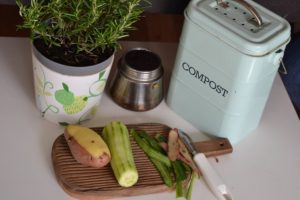
Composting can be a blessing for both the environment and your garden. In fact, composting is the process of converting food waste into fertilizer that can be used to improve the quality of your plants. You can do composting at home, or contact the local authorities that provide the facility.
I haven’t personally composted, but I have seen some pretty great options which take the smell right away and are quite powerful. This one from Vitamix has great reviews.
Opt for loose food items
Some grocery items such as wheat and rice come in both plastic packaging and loose. Go for the stores that allow you to have refills, or collect these food items in your own packaging. Try to stay plastic free as much as possible.
I believe this will start to return into a post COVID world, but do the best you can to reduce the waste. If you must buy something with a “plastic” on it, make sure it’s made of alternative material so it can be recycled or composted.
Conserve resources
This goes without saying – we think we have the resources in abundance but we do not. Resources are limited and we must do our best to conserve them not only for the environment but for our budgets as well. Thus, always ensure that you conserve valuable resources like water and electricity. For electricity – do not leave the electric points running when you don’t need them, and for water – by ensuring you do not leave the tap running for long. (Even ten seconds of water wastage can be heavy.)
It is really important we teach the younger generation this especially with the growing amount of screen time and need to always be doing something. My two get distracted easily so this is an important reminder for them.
Go local
When you opt for local markets, instead of the big, commercial stores, you reduce your carbon footprint. You save the transportation, production, and packaging needs and resources that are usually incurred to meet your demand. Not to mention, these big commercial brands and retail stores are not eco-friendly and do a lot of energy wastage in the name of convenience. Be wise with your choices.
I love shopping local farmers markets as much as possible because I usually discover a new company or product I can share with my guests and family!
Go vegan
Going vegan can be highly beneficial for the environment. Among the many benefits, the most significant one is that vegan products use minimum resources and produce minimum damaging byproducts as compared to a non-vegetarian eating lifestyle.
I’ve been vegetarian/vegan since I was a teenager and I can attest that not only is it healthier for your own body, I find less waste in the kitchen as I don’t have a lot of the same trash as my non vegan/vegetarian family members. It makes trash day lighter and also keeps the refrigerator nice and stocked!
Grow your own vegetable garden
You’ll not only save the environment by reducing your carbon footprint but would also save a lot on groceries. So, if you love to maintain a yard, try to keep food-producing plants more than floral ones.
Well, that’s enough to get you started. If you decided to do as mentioned, you’re doing a marvelous deed for the environment. Be proud of yourself. These waste swaps are pretty easy to implement and are more than most people will try to do in their life, so every little bit helps!
Hey there, how do you reduce wastage in your kitchen? Feel free to share some tips with us in the comment section.


 not running after them. A win-win!
 healthy upbringing. You can use communication to raise them to be grateful. For instance, you can start a conversation wherein you begin by mentioning things you are grateful for. Then, you can invite them to do the same.
 remote-controlled car?




 one thing, and once you are headed towards another one, you would have to wire your brain again to develop different thoughts concerning the new task. Consequently, your focus would get affected, and it may also reveal itself in your output.
  everything and anything. You have to decide what is more important to you, and take them up in a manner in which time allows. The approach makes it easier to know what you need to do first, before doing anything else or doing everything at once.
 or as individuals, we are afraid to say it. But just so you know, by saying yes all the time, you are just adding up to your burden. Moreover, you are giving an impression to people that you are gullible and easy, which can make them take you for granted later.
  But being vulnerable, lazy, and unfocused, we submit to the distractions and that’s how everything gets sabotaged.
  do things perfectly just for a while. You are bound to get exhausted and lose stamina sooner or later.
 approach which only wastes your time and adds to stress. Instead, keep your focus only and only on actions, nothing else – no stress, no thoughts, just actions.
  fruitful.
 routine then!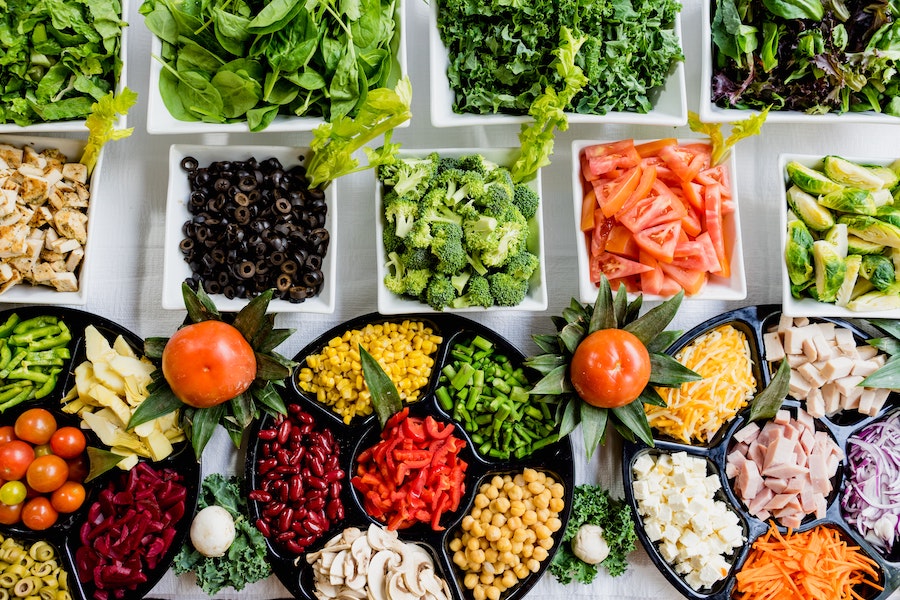
 can consume. If you are not sure, take a little, and if you still have the appetite, refill. That way, you’d ensure you eat as per your appetite, without wasting food.
 In fact, composting is the process of converting food waste into fertilizer that can be used to improve the quality of your plants. You can do composting at home, or contact the local authorities that provide the facility.
 loose. Go for the stores that allow you to have refills, or collect these food items in your own packaging. Try to stay plastic free as much as possible.
  also save a lot on groceries. So, if you love to maintain a yard, try to keep food-producing plants more than floral ones.
Recent Comments