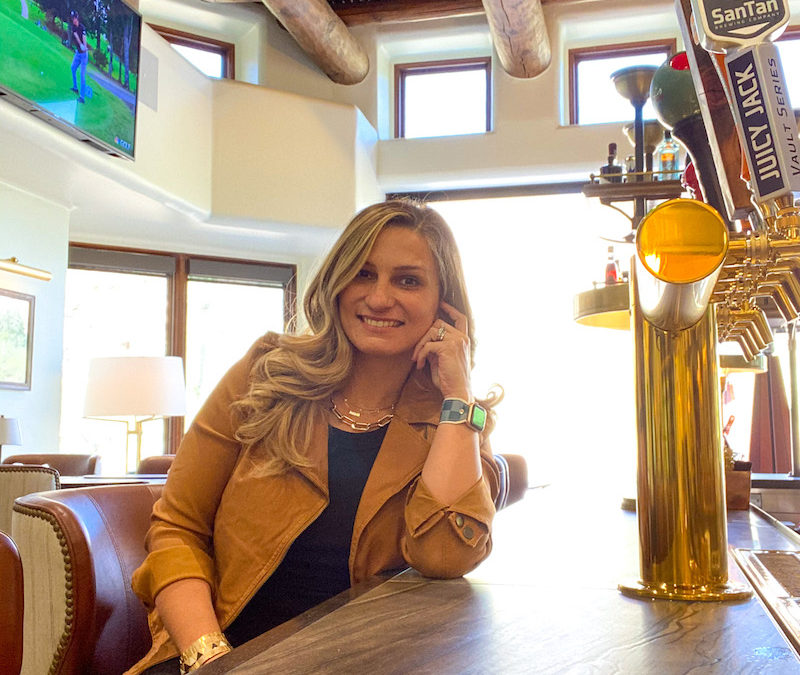
A few weeks ago, I had the privilege to tour the brand new restaurant for the private community, Desert Highlands, which was specifically made for the members of the community. Jack’s Gastropub is modeled after the famous golf legend and course architect, which is exclusive to the members of the community. When visiting Desert Highlands, I had no idea it even existed in the desert. Even though I have driven by it many times on the way to my family’s home.
Please enjoy the photographs I grabbed and if you are thinking of moving to the desert, the community has several amenities and appeals to a more mature demographic – one that is potentially moving from California or other locations to the desert. It appeals to someone wanting the ability to access the city yet have all the amenities of land, golfing, a private community, and a restaurant/bar usable only by you and community members. I have left the link below for you to check.
Desert Highlands Introduces Jack’s Gastropub
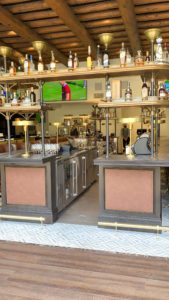
The remodel started in 2018 which was originally part of the library. And they modeled it around Jack’s first course in the desert, which is also on the property. Phx Architecture designed the entire project and removed a patio that blocked all of the amazing light which you now see over the open circle bar in the center which seats up to 22 people. The food featured is small plates and some of Jack’s personal food favorites. And his signature on many things.
My personal opinion of the community is a great one! If I was looking for a community to move further from where we live now, and a golf course in my back yard, this is the one I would choose. Maybe someday when the girls are older we can look into something here. For now, we will stay where we are. But look forward to meeting some community members to visit Jack’s Gastropub again! The ahi cones are a MUST try! And the cocktail menu is pretty robust as well!
Dynamic Clubhouse Amenity Completes $2 Million Project that Included Kitchen Renovation
Desert Highlands – the acclaimed luxury golf club and community in the stunning Sonoran Desert of North Scottsdale – unveils Jack’s, a lively gastropub inside the clubhouse named after golf legend and course architect Jack Nicklaus, to its members.
Led by award-winning architect Erik B. Peterson of PHX Architecture, Jack’s is a high-energy gathering space that diversifies Desert Highlands’ dining options. A large custom communal table commands the room and provides a custom bar experience for up to 22. Jack’s also features high tops, flat-screen televisions and images that pay homage to the influence that Nicklaus and other golf legends have made.
The design also incorporates a piano bar and upgraded lounge area, which provides members a relaxed atmosphere to mingle and entertain. Additionally, the eatery’s entrance offers a “walk through memory lane” feel, featuring images and classic golf memorabilia. The overall aesthetic is a modernized take on a historical clubhouse. And Jack’s incorporates an entire interiors refresh designed by Sam and Mike Hatch of the Hatch Design Group.
Construction of the gastropub, along with a renovation of the Desert Highlands kitchen was part of a $2 million project that began in June.
The kitchen renovation, which finished a month ago, includes the creation of an efficient layout that allows the club’s culinary team to be more imaginative. An additional 16 feet of space allows Executive Chef Todd Allison to oversee the entire operation and create direct service lines for both the gastropub and the club’s intimate Ventana Room. Additional enhancements include improved acoustics, which provides a more positive overall dining experience.
“We are excited to showcase Jack’s to our members and provide them an engaging and festive dining experience,” says General Manager / COO Monty Becton. “Our culinary team constantly evaluates the immediate and long-term needs of our membership and wants to create a completely seamless and first-class dining experience for our members. The gastropub, along with the kitchen renovation and other enhancements, allows us to accomplish this and remain a standard bearer for upscale private communities.”
Desert Highlands’ energetic lifestyle consistently draws discerning families and active Boomers in equal measure – golfers, tennis enthusiasts, pet lovers, and health and wellness enthusiasts.
A full social calendar allows residents to fully enjoy this peaceful community.
Stretching to over 7,100 yards, the Desert Highlands golf course recently re-opened after a $7 million renovation project that included refurbishing every bunker, restoring the 13th hole to its original design, installing a new irrigation system and updating cart paths. The splendid golf course offers a challenging, but fair test, and striking views of Pinnacle Peak and the lights of the Valley spread across the horizon in the distance below. Desert Highlands was Nicklaus’ first design in Arizona, and immediately set the bar for desert golf experiences, not only in Scottsdale but statewide and nationwide.
Just as impressive is Desert Highlands’ Racquet Club, which sports 13 tennis courts featuring all three Grand Slam surfaces – grass, clay and hard. Noted ATP player Nick Kyrgios considers Desert Highlands’ grass courts “better than Wimby [Wimbledon].” The Racquet Club also added two regulation-size pickleball courts earlier this year.
In addition, Desert Highlands boasts a 7,700-square-foot Wellness Center, an 18-hole professionally designed putting course and a spacious dog park.
Inside, the club provides residents peace of mind with a state-of-the-art security system, professionally trained security personnel, visitor control and access, and other protection amenities. Among the acclaimed residential services that truly pamper residents and meet their specific needs – shipping and transportation assistance, pool and spa maintenance, auto detailing and other customized services.
Scottsdale’s premier private community and club, Desert Highlands melds Sonoran Desert luxury with world-class golf, tennis, dining and residential services. Located just 30 minutes from Phoenix Sky Harbor International Airport, Desert Highlands is easily accessible for second and vacation home owners. It is only minutes away from famed Old Town Scottsdale and its myriad shops, restaurants and art galleries. Homes (all resale) range from $1 million to over $6 million, and feature architecturally adapted styles and systems for life in America’s most vibrant desert. A residential remodel program offers investors the opportunity to have the membership fee waived during the period in which they are restoring / upgrading their investment property. The club’s Jack Nicklaus Signature Golf Course is considered one of the best layouts in Arizona, and hosted the first two Skins Games back in 1983-84.
Each year, we take a family trip to one of the Hawaiian islands with the hope that one day we will have a house there. 2020 was a bit different as we all know. The state of Hawaii and her islands were one of the last to open back up to tourists and we took every precaution to be able to get to visit her beauty this fall. Here’s how we safely traveled to Hawaii with our children amid COVID-19.
How to safely travel to Hawaii amid COVID-19
Hawaii pre – flight testing
The first thing we did when setting out to take this trip was to plan the days, and which island. This may not seem important or much different than any other trip, however it is in current times. Some of the islands require additional quarantine or won’t rent for less than x amount of days.
Another consideration is to be flexible in your travel dates as not all flight paths have been fully restored yet. You may want to take a 10 day trip but may need to cut to 9 or extend to 11 to get a flight home.
Once you decide where and when, the need for pre-flight testing comes into play. If you don’t mind quarantining for the first 14 days you arrive and not leaving your place you are staying for anything, no testing is needed.
Our travels were only for 9 days, so we opted to get a COVID-19 test from Vault Health. It was an approved provider that mailed a saliva test to our home with the cost being $150. You can file with your insurance company for reimbursement if you’d like. There are several other providers listed on the site, but this was specifically recommended and used by Hawaiian Airlines, which we always fly.
The test is required 72 hours before the final leg of your trip into Hawaii, and must be done on a Zoom call in front of personnel from Vault Health. You call in and wait for a practitioner and then take the test. Because it’s a spit test, you can’t eat or drink or smoke or chew anything 30 minutes before the test.
Testing Process
It’s a very simple process, the hardest part being creating enough spit to fill the tube. The average time it took the 6 of us traveling to take it was about 10 minutes. Leila, our 9 year old, took about 30 minutes because she wasn’t sure how to spit I think.
Once your test is completed and sealed, you simply drop off and wait for the results. Everything is logged and tracked, and Vault Health emails you with status updates.
Most everywhere you go, the QR code as well as the Negative test results are required for entry, so getting the result before leaving or landing on the islands is pretty important.
Some airports have testing right at the airport for Hawaiian Airlines passengers while the home test is the only option for others. The two options that had testing when we went were LAX and San Francisco. If you are flying from the east and have a layover in one of these airports, this might be the best option for you since the test is required to be taken within 72 hours of the final leg of your trip.
In order to be able to do anything when landing and not quarantine, the self testing in front of a practitioner was the only option for us. We were very careful before testing as well as before traveling to limit exposure and to hopefully pass our test.
We sent our test out on Sunday a few hours after completing the test, and it didn’t leave the UPS store until Monday evening. Tuesday afternoon, we received an email saying our sample had arrived at the facility. Overnight, our test results arrived via email, and we were able to upload them into the required Hawaii.travel.gov site so we could pass through screening much quicker.
If you plan to travel to the islands, doing the self testing before leaving is the easiest and quickest if you want to do anything when you land. The state requires online forms to be filled out within 24 hours of departure, and this is where the QR Code and COVID-19 test results are uploaded to keep everything together. The QR Code is required or Contact Tracing is recorded when you visit restaurants or places of leisure.
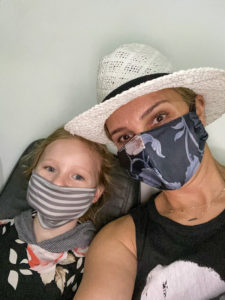
The islands are opening back up and her people want you to come visit safely. We are still in a pandemic, and be sure to bring your mask and wear everywhere unless actively eating or drinking. Personally, we knew what we were getting into, and it Hawaii has been closed for 7 months, so they are being very cautious, probably like we all should.
It’s time to visit the islands if you want, but there’s some things I’ve outlined above you need to keep in mind and line. If you don’t have everything done you could be denied entry or cause a longer wait when you arrive. Also – if you don’t comply or abide by their masking guidelines, you can be kicked out of the place, and the airlines can ban you from flying with them again.
The bed, bowls, collars, and leashes have been purchased. That’s the fun part. Are you really ready to welcome a pup into your home? The dog breeder has left a message: “Your pup is ready!”
New Puppy Checklist
The Journey
All those weeks (and maybe months or years) of waiting for the perfect pup to land on the floor are now over. As the saying goes, “The joy is in the journey.” Perhaps the journey leading up to this moment has been filled with dreams about the things you and pup will do together. Chasing through the snow, taking long walks, sitting together by the fire, romping on the beach… all those wonderful reasons why people want a dog to share their lives.
Credit Card Melt-Down
New puppy owners’ dreams are often interspersed with crazed shopping sprees at pet supply stores. Buying the bed, bowls, collars, and leashes have rendered many credit cards smoking in the wake.
That’s the fun part, and every new owner is entitled to run amok in the thrill of the impending arrival.
The dog bed is in place (it has been for weeks), the tiny and perfect adjustable collar and leash are de-tagged and hanging in the closet. After much research, the correct food has been purchased and sits on the kitchen counter. It’s right there, next to those adorable food and water bowls. But what about the rest of the house?
Puppy-Proof the Home
Inspect your home from the viewpoint of a two-year-old human toddler. Decide which rooms will be accessible to the pup. Designate where you will give puppy loves and where you won’t i.e. furniture or not. And then consider how to close off all others. Baby gates can be used to prevent entry into off-limit rooms as well as the top of staircases.
In areas where the pup will be allowed to enter, remove all breakable objects, houseplants, and anything that spells “puppy trouble”. Cover electrical outlets and secure cupboard and closet doors. Outlet covers and an array of child-proof door devices can be purchased at hardware stores and other retailers. Decide how and where you will do house training and if dog crates will be included in that training. Another important area is to have your puppy supplies in a specific spot including chew toys, dog food, puppy food, and puppy shampoo for accidents.
Book a Veterinary Appointment
Book the pup’s first vet visit to coincide with his trip home from the breeder. This is the best time for the pup to meet the vet and clinic staff, and will most likely be his first foray with you into that all-important socializing process. The vet will give the pup a quick health check, set up a vaccination schedule, and discuss diet, parasite control, pet insurance, microchipping, neutering, and all those other puppy issues.
Be sure to show the veterinarian any paperwork supplied by the breeder. So he or she can take note of previous veterinary visits and any vaccinations pup may have already received.
Find a Knowledgeable and Experienced Dog Trainer
Locate a fabulous trainer before the pup comes home. Many people don’t research the availability of local trainers until behavioral problems arise. Nipping, barking, housetraining, crating… all those puppy-things can be addressed on a one-to-one basis. Afterward, that same trainer can recommend the most suitable puppy training class for you and the pup to join.
If you are close or local to Arizona, we love Partners Dog Training & Daycare. Louie, our new French Bulldog, will be our second dog we take for training there.
Find a Groomer or Plan to Groom at Home
Locate a professional groomer or self-serve grooming facility. If the pup will require regular professional grooming, introduce him to the idea as soon as possible. He’ll be given his first bath, light brushing, and trim, and then the groomer will provide tips on how to keep his skin and coat healthy between visits.
If you plan to bathe him at home or use a self-serve facility, introduce the pup to the tub and brush within the first few days. Many dogs, if not initiated into the bath ‘n’ brush routine at an early age, can be downright ornery or fidgety about it as they grow older. Some canine body parts, such as feet, toes, tail, and tummies, can be particularly off-limits for some dogs. But if those areas are touched and groomed early in the game, the procedure can be much nicer for everyone, especially the dog. For example, we have an adult dog, who’s a 6 year old Pug, who will not let the nail clippers come near him. He runs to his crate as soon as you bring them out!
Enlist the Services of Substitute Caregivers
Identify people who can take over when you’re not available. Professional dog walkers, responsible friends and neighbors. And perhaps a doggie daycare center will be needed at some point in your dog’s life. During pup’s first few months, if you can’t return home mid-day, a substitute caregiver will be required to let the pup out to relieve himself as well as provide him with exercise and companionship. Make sure you have these phone numbers handy if you are running late and need to place a call especially if the pup isn’t yet crate trained and needs to be in a dog crate to avoid damage inside.
Bonus: holidays, social occasions, or whenever you can’t get home on time will always require the services of someone who knows you, your dog, and your home. Enlisting these people early means you’ll never have to worry about those times when your schedule prevents you from providing your dog with his daily needs.
Last, but not least…
The most important entry on your check-list: plan to provide a lifetime of love, compassion, and patience. You’ll always be the most important person in the world to your dog. Being a pet parent is unlike any other. Give him a reason to trust that he’s in good hands. He’ll repay you ten-fold.
There are many more items to be included in a check-list for new puppy owners. But don’t despair! The list can be expedited by asking for suggestions from a veterinarian, dog trainer, groomer, dog walker, and any dog-owning friends and neighbors.
So you’re getting a new puppy. Whether it was quarantine that made you want a new companion or your kids finally reaching an age where they can have some shared responsibility, you have some important decisions to make. Undoubtedly, family members will be anxious to welcome the new addition, but don’t let them rush you. It’s imperative that you weigh your options carefully before bringing Fido home.
The one thing you don’t want to do is make your decision based on how cute a puppy is, rather than what he’s going to be like when he’s four years old.
You want to fall in love today and make sure you are still in love when the cuteness of the puppy wears off.
What Kind of Puppies to Get
New Puppies versus Dogs
Puppies are adorable, but they aren’t all cuddles and kisses. Like children, puppies need to be taught right from wrong; and like children, puppies will lose their baby teeth in order to grow adult ones. The difference is that instead of chewing on a baby toy while teething, your puppy will chew on the leg of your brand new Arhaus coffee table. Consider bringing a fully trained dog into the family. If you have young children constantly pulling you in three different directions, chances are, you won’t have time to take a puppy outside to pee on the grass every hour.
Big Dog Little Dog
Most dogs are little when they’re puppies. But some of those puppies grow to be six pounds, and others grow to be over 75 pounds. A Maltese may not be the best choice for your family if your teenage boys are constantly roughhousing on the floor or playing tackle football in the backyard with their buddies. Likewise, a Saint Bernard isn’t a sensible choice when the home is a walk-up brownstone in Manhattan.On the other hand, sometimes the fun loving gentle giants like a Great Dane are perfect for city life as well as country living. It’s important to sort through the popular dog breeds and the not so popular and find the right dog for you and your family.
Dogs That Are Good with Kids
The Centers for Disease Control states that every year, 4.5 million Americans are bitten by dogs, and about 20 percent of the victims require medical care.
Don’t put yourself or your children in danger by getting a dog that has a bad reputation. Sure, there are plenty of nice Pitt Bulls, but why take the risk? Ask a veterinarian or seek online resources to help you find a dog that will be perfect for your family. Do your homework; it will pay off.
On the other side of the coin, there are several smaller dog breeds that are known to bite because they scare or spook around children. If you want a family dog that loves to play, it might be best to stay away from the smaller dogs, especially if you know your children have energy levels that will outlast the puppy stage of the dog.
Shedding versus Non-Shedding Dogs
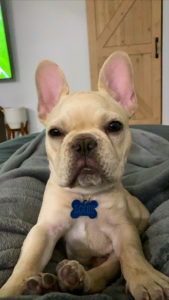
Golden Retrievers are beautiful dogs, and they make wonderful pets. But if you get one, expect to find dog hair….everywhere! Many pet owners consider this a minor inconvenience if, in fact, they consider it at all, but some people are more uptight when it comes to sanitation and cleanliness. If having dog hair all over your black sweater makes you cringe, a non-shedding breed might be the way to go. Although most non-shedders do a pretty good job of keeping their fur to themselves, keep in mind higher maintenance is required since brushing and grooming are essential. Dogs with double coats like Bernese Mountain Dogs, French Bulldogs, and Corgis are a few of the dogs that you can expect to see hair on the floor. If you are thinking long haired versus short haired dogs but don’t want the maintenance, consider the Irish Setter, who needs brushed daily to ensure their long hair doesn’t tangle. Other times, short hair isn’t always the best. Our French Bulldog, Louie, who’s shown in these photos, sheds his short hair every time he itches or shakes.
Some Dogs are More Active than Others
Dogs depend on their owners to give them what they need to be healthy, and that includes exercise. If you have a large backyard, you may be able to get away with tossing the tennis ball for a few minutes every day to provide your dog with the activity he needs. But if you live in a house with a tiny yard or an apartment, you will need to walk your dog on a daily basis. All dogs need exercise, but obviously, some need more than others. If your idea of working out is getting off the couch Sunday afternoons to grab a beer during half time, perhaps you should get a Pug instead of an Irish Setter. If you take the dog to obedience training, they often teach a technique or series called a “puppy pushup” which is a series of sit and down several times. This wears them out, and allows city dwellers to have a higher energy pet if they are trained in obedience.
Dog Breeder or Pet Store
Once you’ve made the weighty decision to purchase a new puppy, you need to make an important decision. It’s so tempting to purchase a pet store puppy that fluffy little ball of fun looks at you with his beseeching eyes, and it’s obvious how much he loves to roll around and play rough with the other puppies in the window. Unfortunately, a large number of pet stores obtain puppies from puppy mills where dogs seldom receive the much-needed interaction with humans that they need to form proper dog-human relationships.
Many puppies from puppy mills are taken away from their mother before they should be, giving rise to fearful behavior and anxiety. Seek out a reputable dog breeder in your area and contact them regarding the next available litter. It may cost you more money, and you may have to wait a little longer for your puppy, but it will be worth it. Hopefully, you will have your dog for many years to come, so what’s another 5 or 6 weeks?
Speaking from experience of the puppy store, we got our new pup, Louie, from a puppy store and it was a great experience. Lucky for us, we got Louie a few days after he was transported to the store, and he now gets plenty of human interaction. While I know we could have adopted or searched out a breeder in our area, for us, it was so much more simple to go in and see what we wanted, look online for the pros and cons, and search photos of what the dogs look like as adults and decide. It was a quick decision we don’t regret at all. Louie fits well with his big brother, Champ, and the girls love him too.
Local Dog Shelter Puppy
Consider getting your puppy or dog from the Humane Society or local animal rescue shelter. There are many shelters in cities that people aren’t even aware of. Many “no-kill” shelters foster dogs, puppies, and animals out to caring for foster families until they can be adopted. Be aware that some of these puppies are rescued from puppy mills so they may have some of the same anxiety that puppy mills have, but in many cases, the puppies are rescued young enough to able to form solid bonds with their new families. Oftentimes, the mixed breed puppies are also the best combination of both breeds of their parents, making them the perfect match for what you are looking for, yet can’t find in a pet store. A family dog can be high energy when it wants and then lazy and love kids and naptime other times. Patience is the key when welcoming a new family member.
Consider all the factors when selecting the type of dog breed for your new family. Then once you’ve made the decision and jumped in with both feet, enjoy your loving new addition. And remember not every day will be great, much like with kids. But those days in the grand scheme of things will be far and few between. Make sure whatever decision you make, is one that’s for your family and your best interest. There will always be puppies, make sure to really take the time and decide what is best for you.
If you’ve been following along on my Instagram, you will know we’ve taken on a new family member with four legs, named Louie. He’s a French Bulldog, and right now, he’s right over 4 months old. I was worried about the time commitment and potty training process. But I’ve been able to make it easier than I thought!
Here’s a little picture for you to see what I mean when I say I have a hard time getting mad at
him. He’s such a cute little guy, and I knew I was going to be easy on him when it came to discipline because of his breed and because he is such a cutie!
How To House Train A Puppy
House training your puppy should not be a hard or long process. All you need is treats, timing, and a crate to get a housebroken puppy in a few days.
When people have problems housebreaking their puppy, they often blame it on the dog’s lack of intelligence or stubbornness. The truth is that the problem comes from the training; in other words, the owner.
Errors people make when housebreaking a puppy
The most common error I see people do when house training their puppies is not going outside with him. During the training, you absolutely need to go outside with your puppy. If you don’t, it will lead to a big problem: bad timing.
Let’s say you send the dog outside, and after he urinates, call him back in to give him a treat. What you just did is positive reinforcement for coming back inside, which is good. But the dog did absolutely not make the link between urinating outside and the treat because the timing was off. The same thing happens if you go outside with him but call him back to you before giving him the treat. You reinforce coming back when called, which again is good, but doesn’t help with ‘’potty’’ training!
Another common error is to talk too much! People take their pup outside and bombard them with encouragements that don’t mean anything to the dog, which is just confusing and distracting him from his ‘’task’’.
How to quickly house train puppies
First of all, a puppy needs to go outside quite a few times during a day:
First thing in the morning, after a meal, after playtime, after a nap, before going to bed, and after crate time.
The age of the puppy also dictates how often he needs to go. A puppy can hold his urine for a number of hours equivalent to his age in months plus 1. For example, a three-month-old puppy can hold it for 4 hours (although when they are asleep, they can go longer).
Unfortunately, puppies do not come into this world, knowing that they can or have to hold their urine or feces. Since your new buddy doesn’t know he is not supposed to go into the house, he will do it anytime he feels the need. This means you have to watch him! When he starts sniffing the ground like he’s following a trail, take him outside.
For the moments when you can’t watch him (including during the night), I have one word: crate.
The crate makes housebreaking any puppy a breeze. Dogs don’t like to eliminate where they sleep, so by being crated, he will realize he can hold (although not for very long at first) his urine and feces.
For this to work through, the crate needs not to be too large because the puppy will then eliminate in one part of the crate and sleep in another part. It is also very important that the crate is introduced to the puppy in a positive manner and does not represent a punishment.
The more you avoid him having accidents in the house, the easier the training will be, because every time a dog urinates or defecates inside, he becomes more inclined to do it again.
Avoid giving him occasions to have accidents in the house by watching and crating him.
If he does have an accident inside and you catch him doing it, pick him up without a word and take him outside. Reward him if he finishes outside. If you don’t catch him in the act, all you can do is clean. Do not, I repeat, do not ever punish him or put his nose in his pee or poop. This will just confuse him even more.
Now that you know how to avoid accidents in the house and when to take your puppy outside, the rest is going to be really easy.
Once outside, you need to have a treat ready in your hand and follow your pup around (without talking to him), so you are always within arms reach. When he starts urinating, say the command you want to use for this, like ‘’go pee’’, on the same tone you would use to give this command. When he’s finished, at the very second urine or feces stop coming out, give him the treat and tell him he’s a good boy. The treat needs to be eaten before he even takes one step.
By doing this, you are doing two things:
1. reinforce urinating or defecating outside
2. creating an association between the command and the act
3. Do this for a few days, and you will have a house trained dog that will eliminate on command!
Housebreaking quick review
Take your puppy outside first thing the morning, after each meal, after playtime, after crate time, after a nap, and before bedtime.
A puppy can hold his urine for a number of hours equivalent to his age in months plus 1, but only once he understands he has to hold it.
Watch your puppy for signs of imminent elimination.
When you can’t watch him (including during the night), put him in his crate.
Say the command while he does it.
Get the treat in his mouth at the very moment he is done and tell him he’s a good boy.
As all dog owners know, house training a puppy is an essential part of pet ownership. Fortunately, there are a number of different methods that can be used to teach your puppy where to potty. One common method is crate training, which involves confining your puppy to a small space when you cannot directly supervision. This helps to prevent accidents by giving your puppy limited access to the house. Another option is to use baby gates or puppy pads to create designated potty areas. Regardless of which method you choose, it is important to be consistent and patient as you teach your puppy where to go. With a little time and effort, even the most stubborn puppy will learn where they are supposed to go potty. And one last tip — if you’ve had a puppy in the past, that’s great, however no two puppies are the same. What worked the first time may not work this time. Make sure to have patience and be consistent and have fun. Your pup will be grown before you know it!
This time last year, the term “work from home parent” probably brought to mind an image of a frazzled
mom who ran an MLM business from her couch. Less often, it made you think of a dad who did web
design from the garage or a mom who ran an Etsy business out of a spare bedroom.
In reality, there were probably hundreds of thousands of businesses being run by parents who chose to stay at home, running the gamut from self-trained gourmet foodies who ran catering businesses from their kitchens to
college-educated women running million-dollar marketing companies from their basement. They ran their businesses using technology from Zoom, Slack, GoPro, and more. These businesses ran quietly behind the scenes.
Why Working at Home May Become the New Norm Post-COVID
In mid-March 2020, corporations worldwide began shutting down and sending employees home to work due to the outbreak of COVID-19. Within weeks, the technology that had powered small businesses was powering big business as remote employees began using it to connect real-time. Crowded interstates became barren wastelands, and laptops became scarce physical goods as companies transitioned their employees to remote workers. There were a few bumps for most companies. But overall, people made the change pretty well.
By May, companies were talking about making the changes permanent.
According to Progressive Policy, as many as two-thirds of American workers moved to work-at-home
positions thanks to COVID. While the traditional employer stance against work at home or even flex-
time employment has been worry about whether or not their employees would actually, well, work,
while they were working at home, corporations saw an improvement in employee productivity as
commute times disappeared. In-office distractions were reduced, even though most workers with
families were also trying to juggle managing distance learning for older children. Many were trying to
work while taking care of infants and toddlers because daycare was completely unavailable. And they
made it work. Parents worked odd hours, traded off computer time, and distracted preschoolers with
tablets and Netflix, but the work got done.
Twitter has made work from home the default for their employees. Progressive Insurance is keeping
most of its employees home into 2021. It wouldn’t be surprising to see moves like these become trends
in specific sectors: tech, financial services, marketing, etc. Of course, not everyone will be able to work
from home. Grocery stores will still need to be stocked, and roads will still need to be built, and
someone will still need to make sure the coffee gets made at Dunkin. But Stanford Research expects
that even after COVID finally comes to pass, around 40% of American workers will be based at home, up
from 5% before the pandemic started.
What does that mean for those of us that were at home before Corona?
It could mean better and less expensive tech. As more companies rely on technology to keep remote
workers connected, we should expect to see that technology improves and decreases in cost. Of course,
as the demand increases, there are going to be some hiccups. Much like Zoom's problems in the spring
of 2020 with hacked meetings and classes, we may see some issues creep up in software that is essential
to our work. Flexibility will be the order of the day!
Increasing the number of remote workers serves corporations in several ways. First of all, they will be
able to decrease the amount of space they take up, thus reducing their carbon footprint and the cost of doing business. Why rent one hundred office spaces spread over four floors in prime downtown office space if your workforce is just as functional with a single floor of shared space with plenty of charging ports for people to come in and use as needed and a conference room for private meetings that can’t be handled online?
Next, remote working makes most people happier.
They aren’t spending time commuting. They aren’t stuck in a room they don’t want to be in. And they often aren’t bound to a standard nine-to-five schedule. And even when they are, they get their time back right at the end of their shift, instead of having to wait for that often grueling drive home.
Finally, remote working allows for people who aren’t traditional learners or workers to function in a way
that benefits them. Some people are naturally night owls. If your company has gone remote and doesn’t
need you to be available at a specific time, then starting work at seven in the evening is perfect for you.
If you were recently in an accident and needed to attend physical therapy three days a week, you’re not
putting anyone out if you don’t start working until after lunch. If your spouse works days in a role where
she can’t be flexible, and daycare is still scarce because of COVID, then you can watch your child during
the day, and your spouse can take over in the evenings while you work.
Having more remote workers will be beneficial to us as a society. We will be better able to negotiate job
terms, end up with jobs where we are happier, and work more beneficial schedules. Corporations will
find having more remote workers valuable as well, with decreased real estate costs and more satisfied
employees, which will result in lowered retention costs.

 community, Desert Highlands, which was specifically made for the members of the community. Jack’s Gastropub is modeled after the famous golf legend and course architect, which is exclusive to the members of the community. When visiting Desert Highlands, I had no idea it even existed in the desert. Even though I have driven by it many times on the way to my family’s home.
 The remodel started in 2018 which was originally part of the library. And they modeled it around Jack’s first course in the desert, which is also on the property. Phx Architecture designed the entire project and removed a patio that blocked all of the amazing light which you now see over the open circle bar in the center which seats up to 22 people. The food featured is small plates and some of Jack’s personal food favorites. And his signature on many things.
 Construction of the gastropub, along with a renovation of the Desert Highlands kitchen was part of a $2 million project that began in June.
 Construction of the gastropub, along with a renovation of the Desert Highlands kitchen was part of a $2 million project that began in June.
 restoring the 13th hole to its original design, installing a new irrigation system and updating cart paths. The splendid golf course offers a challenging, but fair test, and striking views of Pinnacle Peak and the lights of the Valley spread across the horizon in the distance below. Desert Highlands was Nicklaus’ first design in Arizona, and immediately set the bar for desert golf experiences, not only in Scottsdale but statewide and nationwide.
 In addition, Desert Highlands boasts a 7,700-square-foot Wellness Center, an 18-hole professionally designed putting course and a spacious dog park.
 took the 6 of us traveling to take it was about 10 minutes. Leila, our 9 year old, took about 30 minutes because she wasn’t sure how to spit I think.
 The islands are opening back up and her people want you to come visit safely. We are still in a pandemic, and be sure to bring your mask and wear everywhere unless actively eating or drinking. Personally, we knew what we were getting into, and it Hawaii has been closed for 7 months, so they are being very cautious, probably like we all should.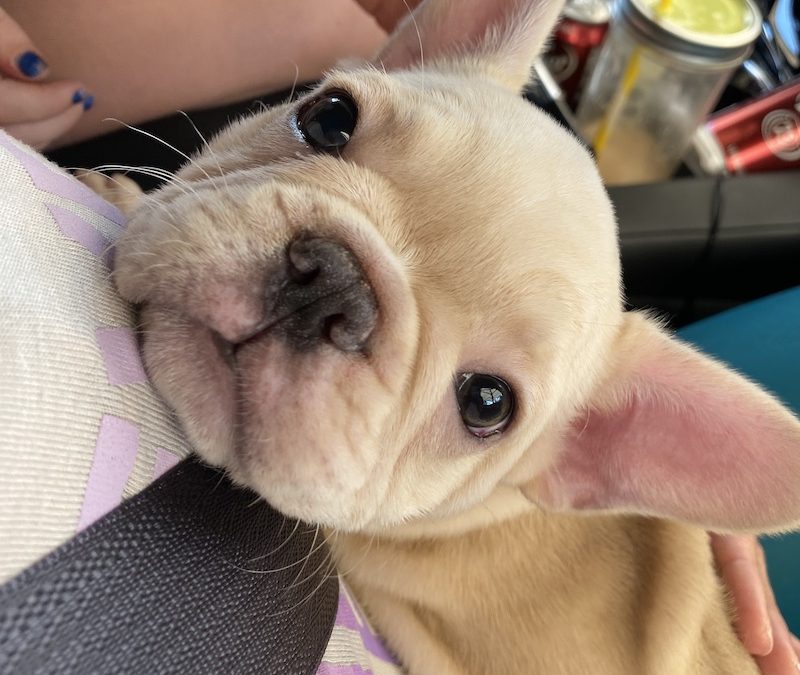

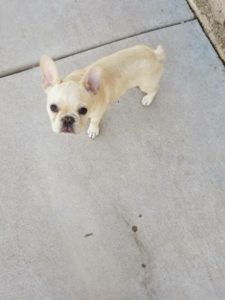

 taught right from wrong; and like children, puppies will lose their baby teeth in order to grow adult ones. The difference is that instead of chewing on a baby toy while teething, your puppy will chew on the leg of your brand new Arhaus coffee table. Consider bringing a fully
 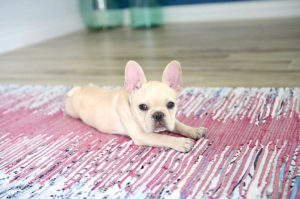 The Centers for Disease Control states that every year, 4.5 million Americans are bitten by dogs, and about 20 percent of the victims require medical care.
 exercise. If you have a large backyard, you may be able to get away with tossing the tennis ball for a few minutes every day to provide your dog with the activity he needs. But if you live in a house with a tiny yard or an apartment, you will need to walk your dog on a daily basis. All dogs need exercise, but obviously, some need more than others. If your idea of working out is getting off the couch Sunday afternoons to grab a beer during half time, perhaps you should get a Pug instead of an Irish Setter. If you take the dog to obedience training, they often teach a technique or series called a “puppy pushup” which is a series of sit and down several times. This wears them out, and allows city dwellers to have a higher energy pet if they are trained in obedience.
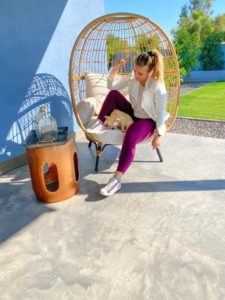 Speaking from experience of the puppy store, we got our new pup, Louie, from a puppy store and it was a great experience. Lucky for us, we got Louie a few days after he was transported to the store, and he now gets plenty of human interaction. While I know we could have adopted or searched out a breeder in our area, for us, it was so much more simple to go in and see what we wanted, look online for the pros and cons, and search photos of what the dogs look like as adults and decide. It was a quick decision we don’t regret at all. Louie fits well with his big brother, Champ, and the girls love him too.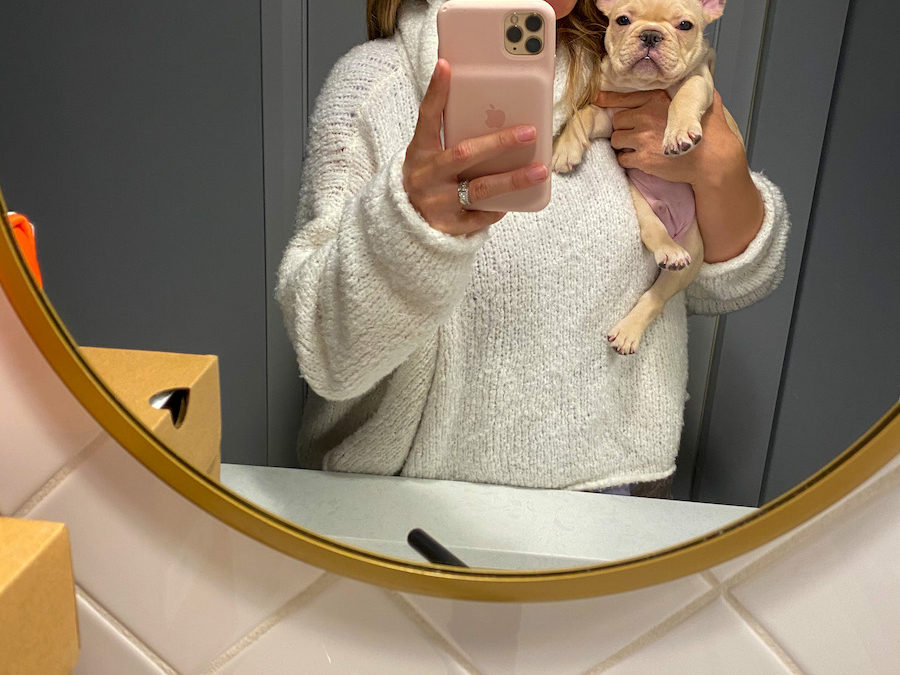
 him. He’s such a cute little guy, and I knew I was going to be easy on him when it came to discipline because of his breed and because he is such a cutie!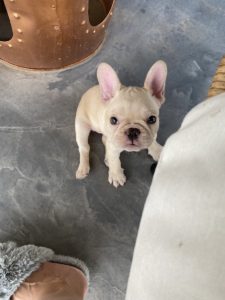

Recent Comments