Are you feeling stressed out or overwhelmed? You’re not alone! Today’s busy world can be tough, and sometimes it can be difficult to take a step back and relax. Whether you are a mom, an entrepreneur, or just in need of emotional support; reducing stress is integral to creating a healthy coping system. In this blog post, we will discuss ways to de-stress and reduce anxiety with specific tips that are easy to incorporate into your day-to-day life. Here’s hoping that by taking the time for personal well-being, we will find greater success – mentally and physically – on our journeys together!
10 Tips for Anxiety & Stress Relief
Identify Your Stressors
Make a list of what causes stress in your life and prioritize them.
Identifying your stressors is a vital step in managing stress and improving your overall well-being. To do this, consider making a list of what causes stress in your life and then take the time to prioritize them. This process helps to bring clarity to the various aspects causing you anxiety and allows you to better understand which stressors need to be addressed first. By organizing and ranking your stressors, you are equipping yourself with valuable information that empowers you to make positive changes, tackle challenges head-on, and ultimately reduce the impact of stress on your life. This invaluable exercise paves the way for effective stress management and personal growth.
Take Time to Unplug
Unplugging technology can be an effective way to break away from the noise of social media and the internet.
In today’s fast-paced digital world, it’s essential to take a step back and permit ourselves to unplug from technology. With screens constantly vying for our attention, it’s no surprise that social media and the internet can be mentally and emotionally draining.
Making an effort to unplug can serve as a much-needed respite from the relentless stream of information and digital noise. By dedicating time to reconnect with our surroundings and being present at the moment, we can significantly reduce stress levels and potentially enhance overall well-being. So, challenge yourself to set aside time each day to disconnect from the virtual realm and revel in the simple pleasures of life. In doing so, you might just discover a renewed sense of clarity and refresh your outlook on what truly matters.
Practice Gratitude
Focusing on the positive aspects of your life through gratitude can help relieve stress and promote mental health. When you’re feeling stressed or anxious, it’s easy to get caught up in negative thoughts and feelings. By taking a moment to close your eyes and use guided imagery to visualize what you’re grateful for, you can shift your focus to the positive aspects of your life. Giving thanks can help you feel more connected to others, improve your mood, and reduce stress levels. Whether you’re grateful for your health, your loved ones, or simply a beautiful sunset, taking time to focus on gratitude can be a powerful tool for managing stress.
Exercise Regularly
Exercise releases endorphins, chemicals in the brain that make us feel happier, more relaxed, and more energetic.
Engaging in regular exercise is not only beneficial for our physical well-being, but it also significantly impacts our mental and emotional health. The reason behind such positive effects lies in the release of endorphins, which are natural chemicals produced in the brain. These amazing substances work their magic by triggering feelings of happiness, relaxation, and increased energy levels. As we strive to maintain a balanced lifestyle in this fast-paced world, incorporating a consistent exercise routine can have a profound influence on our overall mood and help us conquer daily challenges with a more positive mindset. So, commit yourself to getting moving, and experience the indelible power of endorphins as you pave the way for a healthier, happier you.
Practice Mindfulness Meditation
This type of meditation has been found to reduce feelings of anxiety and depression while increasing feelings of happiness and well-being.
Embracing mindfulness meditation can be a transformative experience, providing significant benefits to both our mental and emotional well-being. This meditation technique has been gaining popularity for its proven effectiveness in reducing feelings of anxiety and depression, while simultaneously increasing an individual’s happiness and sense of equilibrium.
Adopting this powerful practice into your daily routine means you can unlock your full potential and equip yourself with the tools to flourish in various aspects of your life. Usually during meditation, you will be asked to do breathing exercises and possibly deep breathing in the beginning. Take this practice into your everyday life and use it throughout the day to help manage stress during the day. Get ready to embark on a journey of self-discovery by investing in mindfulness meditation – a cornerstone of enduring well-being.
By fully immersing oneself in the present moment and paying deliberate attention to thoughts, emotions, and bodily sensations without judgment, we can cultivate an awareness that fosters self-compassion, resilience, and inner peace.
Keep Organized
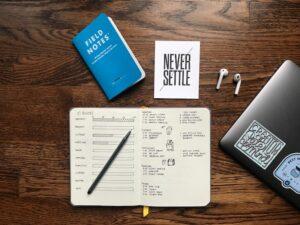
Feeling overwhelmed can contribute to stress and anxiety, making it difficult to focus on tasks and manage responsibilities. By staying organized and making to-do lists, you can break tasks down into manageable steps, reducing stress and promoting stress relief. When you have a clear plan in place, you can approach tasks with more confidence and less anxiety. Staying organized can also help you prioritize tasks and manage your time effectively, reducing the risk of feeling overwhelmed. Whether you use a planner, digital tools, or a simple notebook, staying organized can be a powerful tool for managing stress.
Get Enough Sleep
Lack of sleep can lead to heightened stress levels and affect our overall health. Try setting a regular bedtime routine to help you relax before sleep.
Adequate sleep is essential for maintaining optimal well-being, as it plays a crucial role in stress management and overall health. When we do not get enough rest, our stress levels significantly increase, which can negatively impact both our physical and mental states. To combat sleep deprivation and promote relaxation, it may be beneficial to establish a consistent bedtime routine. By doing so, you can signal to your body and mind that it is time to unwind, ultimately allowing yourself to drift off into a restorative slumber. Embracing a regular sleep pattern can have profound effects on your quality of life, making it an indispensable component of a balanced lifestyle.
Talk it Out
Opening up about how you’re feeling can help you process your emotions, reduce stress, and build emotional resilience for future challenges.
In today’s fast-paced world, we often neglect the importance of discussing our emotions and feelings with others. It’s crucial to recognize that opening up about how you’re feeling can lead to numerous benefits, such as processing your emotions effectively, reducing stress, and building emotional resilience for future challenges. By sharing your thoughts and experiences with a trusted confidant, you allow yourself the opportunity to gain insights, support, and valuable feedback. Furthermore, it reinforces the idea that you’re not alone in your struggles, which ultimately bolsters your confidence and fosters a healthier mindset. Engaging in open, honest conversations about your emotions is an essential component for personal growth and maintaining strong mental health.
Eat Healthy Regularly
A healthy diet can have a significant impact on your overall well-being, including your ability to manage stress. Eating a diet rich in whole foods, fruits, vegetables, and lean protein can help manage blood pressure and heart rate, reducing the stress response in the body. In addition to physical benefits, eating well can also improve mental health and reduce feelings of being overwhelmed. When you’re feeling stressed, it’s important to nourish your body with healthy foods to give yourself the energy and nutrients you need to cope.
Seek Professional Help
If you’re feeling overwhelmed and unable to manage stress on your own, seeking professional help can be an important step in managing your mental health. Physical activity, progressive muscle relaxation, and slow deep breaths can also help relieve stress, but if you’re using alcohol to deal with stress, it’s important to seek help to address the root cause of the stress. A mental health professional can help you identify the underlying causes of your stress and develop coping strategies that work for you. With the right support, you can learn to manage stress and anxiety healthily and effectively, improving your overall well-being and quality of life.
Benefits Of Stress Management
Physical Well-Being
Stress management is a game-changer for physical health! It can help lower blood pressure, reduce the risk of heart disease, and even improve sleep quality. Chronic stress can be a real pain, but managing it can help you feel better overall. By taking steps to manage stress, you can reduce the risk of developing health issues like diabetes and obesity. Plus, you’ll have more energy to tackle whatever life throws your way!
Mental Health Boost
Better mental health is a major perk of stress management. Chronic stress can contribute to anxiety and depression, but taking steps to manage stress can help you avoid these issues. Techniques like mindfulness and cognitive-behavioral therapy can make a big difference in your mental health. By learning how to manage stress in healthy ways, you’ll be able to handle life’s challenges with more ease and grace. You’ll also be better equipped to form and maintain positive relationships.
Increased Productivity
Stress can be a real productivity killer, but stress management can help you stay on top of your game. By managing stress, you can improve your focus, concentration, and ability to complete tasks. It’s a win-win! Plus, you’ll have more time and energy to pursue your passions and hobbies. You might even discover new interests you never knew you had.
Healthier Relationships
Stress can strain relationships, but stress management can help you communicate more effectively and maintain healthier connections with others. By reducing stress levels, you can improve your overall quality of life and build stronger connections with the people who matter most. You’ll be able to listen more attentively and respond more thoughtfully. Plus, you’ll be better able to recognize and respect the needs and boundaries of others.
Avoid Burnout
Burnout is no fun, but stress management can help you avoid it. Chronic stress can lead to emotional, physical, and mental exhaustion, but by managing stress, you can maintain your productivity, creativity, and overall well-being over the long term. It’s all about taking care of yourself! By prioritizing stress management, you’ll be able to avoid the pitfalls of burnout and maintain a healthy work-life balance. Plus, you’ll be able to approach your work and personal life with more enthusiasm and positivity.
While these tips may not work for everyone, it’s important to remember that there is no one-size-fits-all solution for de-stressing and reducing anxiety. However, following the steps listed above can help you identify and prioritize stressors, disconnect from technology, exercise regularly, practice mindfulness meditation, get enough sleep, and talk it out. There are a variety of ways to make sure you are doing the best you can to reduce stress and anxiety daily. Everyone experiences stress in different ways so finding the right strategy may be different for each individual. It takes practice but striving for balance in all aspects of your life will ensure that your stress can be managed over time.
If you’re looking to make positive changes in your life and create meaningful progress, setting daily intentions is a powerful way to help steer you in the right direction. Living an intentional life can be hard work, but having clear goals for each day can provide structure and focus that will guide both your mind and body towards success. Whether it’s business professionals looking to get ahead or parents trying to prioritize their family’s wellbeing, understanding how daily intentions work and learning how to set them can drastically improve every aspect of our lives. By taking just a few brief moments to pause and reflect before your day starts, you can become an expert at setting intentions that will help guide your mind and body towards the virtues you want to cultivate.
This intentional practice has the power to focus on reaching your goals with fewer distractions, ultimately leading you down paths of incredible success when it is done properly. This blog post explains what daily intentions are, why they should be incorporated into everyday living, how they work, as well as certain tactics on how best to utilize such a marvelous tool for personal growth!
How To Set Daily Intentions
What are daily intentions and why are they important
Daily intentions are the mental objectives that we set out to achieve each day. These are the goals that we aspire to accomplish while going about our daily routine. Whether it is making a healthy breakfast, going for a morning jog, calling a friend, or simply taking some time for self-reflection, having daily intentions can help us to stay focused and motivated. By setting specific and achievable goals for each day, we can create a sense of purpose and direction in our lives. It allows us to take charge of our day and actively work towards the things that matter most to us. Moreover, making a habit out of setting daily intentions can lead to overall personal growth and development. By consistently striving to be better versions of ourselves each day, we can achieve our long-term objectives and lead fulfilling lives.
How to set powerful daily intentions
When we wake up each morning, we have an opportunity to set the tone for our day with powerful intentions. Setting intentions is about declaring what we want to achieve, experience or feel during the day ahead of us. It’s a simple practice that can help us become more mindful and focused. Whether you want to feel more energized, focused or joyous, setting a powerful intention can help steer you towards what you want to achieve. So take a few moments each morning to set an intention for your day ahead, and see how it positively impacts your mood, behavior and overall well-being.
The benefits of having concrete daily intentions
Having concrete daily intentions can have a tremendous impact on our lives. When we wake up each morning with a clear goal or purpose in mind, it can provide us with a sense of direction and focus. Not only does this help us stay motivated throughout the day, but it also enables us to prioritize our time and energy in a more effective manner. By setting achievable intentions each day, we are also able to build momentum towards our long-term goals and achieve a greater sense of accomplishment. Additionally, having clear intentions can help us stay accountable and responsible for our actions, encouraging us to take ownership of our lives and decisions. Overall, incorporating daily intentions into our routine can lead to a more fulfilled and purposeful life.
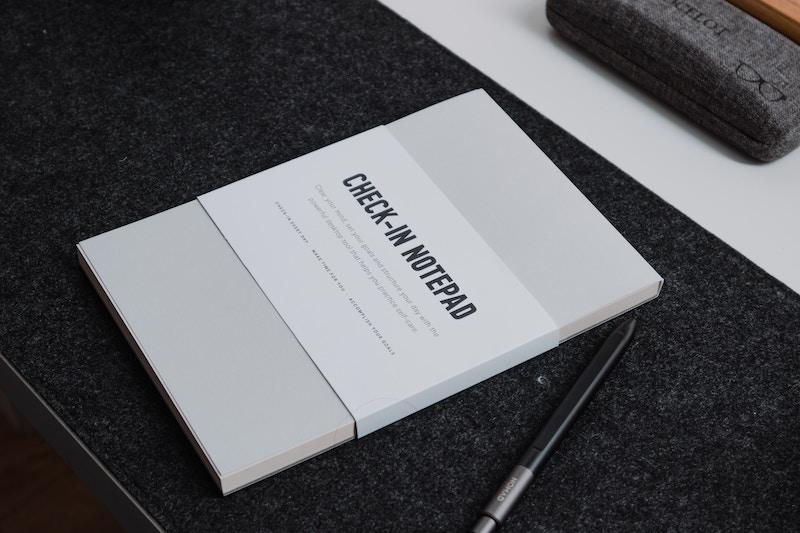
Creating a daily intention checklist
Creating a daily intention checklist can be a powerful tool to help us stay focused on what truly matters in our lives. By setting daily intentions, we can clarify our goals and priorities, and increase our motivation to achieve them. A checklist can be a practical way to keep track of our progress and hold ourselves accountable. It can also be a great source of inspiration and encouragement, as we reflect on what we have accomplished and what we still want to achieve. Whether we are striving to improve our health, relationships, or career, a daily intention checklist can help us stay on track and move forward with purpose and confidence.
Ways to stick to your daily intentions
One of the most challenging tasks in life is sticking to our daily intentions. We all have things we want to achieve each day, from going to the gym to finishing a work project on time. However, it can be challenging to stay on track when distractions come up or when we don’t feel motivated. One way to stick to our daily goals is by creating a plan and setting achievable steps that lead to the end goal. Additionally, creating a routine can help us build positive habits that support our intentions. We can also seek support from friends or family members who encourage and hold us accountable. While the journey may not be easy, sticking to our daily intentions can bring us closer to our long-term goals and help us to become better versions of ourselves.
How to make adjustments when needed
Making adjustments is an essential skill in all aspects of life. It could be in our personal or professional lives, where adaptability to change plays a significant role. Being able to identify when things aren’t working and making the right adjustments can help us get back on track. It’s essential to have a realistic perspective of the situation, ask for feedback if necessary, and brainstorm alternative solutions. Embracing change can be difficult, but it’s necessary for growth and improvement. Whether it’s small adjustments or significant changes, making adaptations is a critical aspect of life that we can all learn and master. Remember, it’s okay to pivot, fail, and try again. Making adjustments is a journey, and with practice comes perfection.
Setting daily intentions is not only a great way to stay motivated; it’s also a powerful tool that can positively and significantly impact our understanding of ourselves and the world around us. Intentionally living our lives and living with intention can give us purpose, direction, joy, fulfillment, and an overall sense of harmony. Creating and following through on powerful daily intentions can help us focus more intently on what matters most both in the short-term and long-term. When we set intentional goals for ourselves each day, then take deliberate action to accomplish them—no matter how small—we will experience real life-changing benefits. By creating a daily intention checklist, sticking to our stated intentions, and making adjustments when needed, we can all make tremendous progress towards having the life we truly want.
Have you ever felt frustrated that there is just not enough time in the day to accomplish all of your tasks? Whether you’re a corporate executive, stay at home parent, student or entrepreneur, it can seem like no matter how hard we try more hours in the day are needed for success. Time management is essential in modern life and learning effective strategies to maximize our daily schedule can help us achieve greater results without feeling overwhelmed. In this blog post, we’ll walk through various tips that can help you get the most out of each day so you can have extra time back in your life!
How To Have More Time In Your Day
Identify Your Priorities
Knowing what is most important to you and your goals will help you prioritize the tasks to focus on
Identifying your priorities is crucial to achieving success in any aspect of your life. Whether in your personal or professional life, knowing what matters most to you and what you want to achieve will help you focus your efforts on the tasks that truly matter. Understanding your priorities allows you to make better decisions, allocate your time and resources more effectively, and stay motivated towards achieving your goals. Without clear priorities, it’s easy to get bogged down in the day-to-day tasks and lose sight of what really matters. So take some time to reflect on your priorities, set clear goals. And then focus your energy on the tasks that will get you closer to achieving them.
Make a Schedule
Setting deadlines for yourself and sticking to them will make sure you complete the necessary tasks in time
Creating a schedule is essential to keeping track of your tasks and making sure you complete them on time. By setting deadlines for yourself, you create a sense of urgency and motivation to finish your work. It’s important to be realistic with your schedule and not overcrowd it with too many tasks. Prioritizing your tasks will also help you stay organized and focus on the most important ones. It’s also helpful to break down larger projects into smaller, more manageable tasks. Making a schedule can be a daunting task. But it will save you time and stress in the long run. So start planning and stick to your deadlines!
Eliminate Time Wasters
Limit distractions like checking emails or social media too often so that you stay on track
With the rise of technology and our constantly connected world, it’s easy to get distracted by the endless stream of emails, notifications, and social media updates. However, these distractions can eat away at our time and prevent us from being productive. To eliminate time wasters, it’s important to limit these distractions and stay on track. Consider setting specific times during the day to check your email and social media, And focus on tasks that need to be completed first. By prioritizing your tasks and utilizing your time efficiently, you’ll be able to achieve more and eliminate those pesky time-wasting distractions.
Utilize Productivity Tools
Use tools such as project management apps or calendar systems to stay organized and know what needs to be done when
In today’s fast-paced world, it can be difficult to keep track of everything that needs to be done. This is where productivity tools can make all the difference. Project management apps and calendar systems can help you stay organized and on top of your tasks so that you can be more productive and efficient. With the help of these tools, you will be able to prioritize your workload, set deadlines, and easily collaborate with team members. By incorporating productivity tools into your workflow, you can streamline your processes and achieve greater success in both your personal and professional life.
Learn To Say No
Don’t feel guilty about saying no if something isn’t going to support you in meeting your goals
Learning to say no can be a difficult task for many people. Often we feel obligated to say yes to every request thrown our way. However, it is important to remember that saying no is not a negative thing. In fact, saying no can help us stay focused on our goals, avoid burnout, and maintain healthy relationships. It can be easy to feel guilty about saying no. But it is important to prioritize our own needs and goals. Remember, if something is not going to support you in meeting your goals, it is okay to politely decline. Saying no can be empowering and ultimately lead to a more fulfilling life.
Exercise & Sleep Well
Taking care of your body and mind by getting enough sleep and exercise will keep you energized and ready for each day’s tasks
Taking care of your body and mind is essential to live a happy and healthy life. One of the most important aspects of this is getting enough sleep and exercise. Exercise helps to keep our body in shape, improve our overall health, and boost our energy levels. On the other hand, sufficient sleep is vital for our mental and physical well-being. Lack of sleep can lead to decreased productivity, mood swings, and a weakened immune system. By incorporating regular exercise and sufficient sleep in our daily routine, we can improve our overall quality of life. And be better equipped to handle each day’s tasks with energy and vitality.
There is no silver bullet when it comes to time management. But if you put in the effort to identify your priorities, create a schedule, eliminate time wasters and use productivity tools, you will be on your way to being more productive each day. Learning to say no and exercising and getting enough sleep are beneficial things that will also help keep you energized and ready for the tasks each day. Each person has only 24 hours in a day. But with good self-discipline, organization and time management skills you can make sure that everything gets done. So remember to prioritize your tasks so that you have the focus needed to meet deadlines, maximize productivity and reach goals as quickly as possible.
Sibling rivalry can be frustrating to the parents. I remember this as a kid, and I’m certain my parents were at their wits end with us. We always hope that our kids can grow and co-exist in perfect harmony without any form of confrontation with each other but the reality is far from this. At some point, your kids will fight, and the closer they are age-wise, the likelihood becomes higher because they have similar interests. Your job as a parent is to mediate and solve these conflicts. And the good news is: you can. You just have to know how to manage this sibling rivalry and the tips offered here might come in handy.
How To Manage Sibling Rivalry
What pushes your kids to fight with each other? There are many reasons for this conflict. The most common one is when they are trying to get attention from you. During the lockdown period, many kids find themselves bored at home and as a way to kill this boredom, they pick fights with their siblings. This happens irregardless of birth order, whether you have older children or younger children, or whether children are close in age or wider apart in age.
Brothers and sisters may fight because they want to establish dominancy and feel powerful over the other. If one kid detects that you have a preference among your kids, this might lead to sibling rivalry and conflicts as well.
How To Identify And Manage Sibling Conflicts And Rivalry Easily
There is no single guaranteed method and you have to understand that you may not eliminate sibling rivalry. You may be able to control it though by using several different tactics. Also, don’t get discouraged. Trial and error is common when dealing with an issue as dynamic as sibling rivalry.
How To Manage Sibling Rivalry:
1. Create rules, regulations, and traditions for your home
One of the rules should be that no one is allowed to fight, name-call, or demean another person in your home. This is not productive behavior during conflict. Make sure you enforce this rule so that the kids will understand that they will face certain consequences if they break these rules. This may set a good tradition that everyone in the family follows in the future.
2. Ask the kids to come up with solutions
The kids may understand the situation better than you and once you step in, do not try to impose the probable solutions you have in your mind. Then, everyone in the situation feels discouraged and possible like they were not heard. The best way is to ask them to suggest how the conflict can be resolved. If they agree, you will have mitigated the issue and created a bond between them. This is a great way to teach them problem-solving tactics.
3. Listen to both sides and do not pick a side
When resolving the conflict, do not pick one side. Listen to each of the family members and decide who is to blame for the conflict. If possible, look for a win-win solution. The sibling who started the fight should apologize to the other. If there are consequences and punishments to be done, make sure that you are fair but firm when giving these punishments.
4. Intervene if the conflict goes out of control
Sometimes its best to let the kids handle the situation themselves. If it is not something serious, they may find common ground and resolve the conflict without you having to step in. However, if the rivalry becomes aggressive and physical, step in immediately to prevent the kids from harming each other.
In general, sibling conflict should not error on the side of violence, name-calling, and / or degradation of character. If after trying several sibling rivalry solution techniques to no avail you still see this type of escalation, consider enrolling your children in family therapy. While therapy is not the solution to all problems, it can be very helpful and formative for children who have a hard time expressing and acting on their emotions properly. Thus, therapy should never be looked at as a failure or last resort, but a learning experience for all.
5. Give them time-off
Sometimes it is not possible to calm the situation when everyone is upset. The best way to handle this would be to send them away separately and give them time to calm down. During this time, encourage deep breathing and relaxation. Revisit the situation and host a family meeting when they are calm and find a solution together.
Start developing conflict resolution skills with your kids early!
Sibling conflict is a common issue for families with more than one child. Though it may be frustrating to deal with, it’s important to remember that conflict is a normal part of family dynamics and especially sibling relationships. There are a few things you can do to help manage sibling conflicts and reduce the amount of fighting in your home. First, try to avoid comparing your children to one another. This can fuel jealousy and competition between siblings. Second, spend time with each child individually. This will help them feel valued and loved, and can prevent fights from happening in the first place.
Finally, teach your kids how to resolve conflicts in a healthy way. If they do end up fighting, model good conflict resolution for them so they can learn how to handle disagreements in a constructive way. With a little effort, you can help reduce the amount of sibling fighting in your home and create a more peaceful family environment. And the best part? As your children learn these life skills, these skills will stick with them throughout life allowing them to better minimize conflicts as adults.
Do you have other tips that help you manage your kids and their conflicts? If so please share them as we all could use all the help we can get in this motherhood thing!
Since I first started traveling with Leila when she was 2 1/2 years old, I have picked up a few must haves along the way along with Finlee traveling since she was 1 month old as well. These are my must haves when traveling with children & toddlers from my experience.
I think as a family of 4, we have traveled together maybe 3 times and I travel by myself with the girls at minimum 3 times a year. So I feel I’m kind of an expert at solo travel with kiddos and toddlers and navigating an airport, flight, rental car situations and getting to a destination by myself.
So here’s what I’d recommend you bring along for the flight and for making your life easier during travel with your kiddos either by yourself or with help. You will not regret adding these items to your packing list.
10 Travel Essentials For Kids
I highly recommend packing all of the clothes you can in as few bags as possible.
This is so you can get baby and kiddos to and from safely, but if the kiddos are old enough to carry their own, have them do that. If you can wear a baby carrier for your baby and toddler, this helps immensely in freeing up your hands.
Another thing, if you can rent a car seat or have someone bring one to pick you up with it, that makes life so much easier.
If not, I have a car seat backpack that we pack both carseats into and I wear as a backpack. Here’s the one I use and recommend except mine is black and not red. I also have on this page a dolly of sorts that I tried to use in the past, and for me, it took away one hand because you have to pull the dolly and at the time I was trying to pull luggage and a stroller and hold another toddler’s hand, so I didn’t like it. But maybe it will work for you!
If you have older kids, like teenagers, maybe they can help carry some of the items like stuffed animals, travel pillows, diaper bags, water bottles, etc to help take off some of the weight from you.
Next and favorite recommend for toddlers and above is a backpack that has a ‘leash’ on it.
Listen, it may not be super ideal, but when you have a runner like my youngest, you will appreciate this. Here’s the one I found on Amazon and it’s big enough for her iPad, snacks, and a few of her must have toys. Oh! and it has a chest strap that snaps like the car seat so it can’t be removed when those awesome temper tantrums come and they try to take it off but can’t! Don’t leave home without this, either via airport travel, in the car, or sometimes going to a festival here in town. The best option there is!
This works great as a carry on bag for them and also for you if you end up having to carry the toddler, or place the bag under your seat with your item. This type of bag also makes car rides easy because you can grab the strap and pull it if needed while driving.
Activities For Kids On Plane
I try not to let them get their iPads out before we get on the plane because I want them to get out a bit of energy if possible. And to have a charge on them when we can’t move anymore. I recommend also taking them to get some headphones for the iPad or game system. Because no one wants to hear a super loud kids movie the whole flight!
I let them pick them out because they tend to like them better if they get to choose their own and take better care of them too 🙂
We limit screen time to the flight starting during takeoff and landing because it usually distracts them when it might otherwise cause some discomfort.
This might seem a bit silly, but I ALWAYS have them pack a pillow and blanket for the flight.
I know that Steve is always hot when he travels, but I’m always freezing. I have the kiddos wear or take long sleeves so they can adjust if they get too hot. The other reason I do this is because I try to book flights when I know they will sleep –like nap time or an evening or later night flight. I don’t like to book early morning flights because they usually sleep all night and then are awake the whole flight (unless it’s Leila who NO MATTER when we fly, usually falls asleep before we even take off the ground). But sometimes you can’t help it.
Another tip I will add is if it’s late when you will get in or an early morning flight, put them in their pajamas, either right before you board the plane, or before you get to the airport as it makes for an easier time when you get to the hotel room.
I always pack snacks for them so they can eat or not eat if they choose.
I also let them go pick out a snack or drink before we get on the flight so they get to have something special for the flight and it makes travel day fun! Eating is one of the best airplane activities for kids because it keep their jaws moving through the assent and descent and while it doesn’t occupy them for a long time, Like I mentioned in the beginning, our family travel, is usually the girls and I.
As I’m updating this post, the girls are now 11 and almost 11, and we actually travel as a full family much more, and no longer need a ton of baby/toddler items. Traveling with kids versus toddlers is much easier because I can use packing cubes for our family trip and put them in their own bigger bags.
On this same note, I try to hit up the Target dollar section a few days prior to us traveling to pack a few surprises for them that they get to do on the flight.
Sometimes it’s flashcard puzzles for Finlee or the magic coloring things with the magic markers that don’t make a mess on anything but the paper. It just depends on what’s available but usually I like to get those things that are little and cheap and keep them busy when they don’t sleep. It works well on the rest of the trip too as they can do them in the car on road trips or the hotel, etc.
You can find inexpensive plan activities like this at the dollar store, the Target dollar section like I did, Wal-mart, and more. Look for travel games kid’s love, like card games, coloring books, dry erase boards, activity books, and small toys with minimal or no small parts.
The last thing I have them pack in their backpacks or in mine is a cup with a lid and straw for travel.
It makes it easier when we go places to have a cup to put water in so we aren’t all sharing the same bottle of water, or juice drink. And it works much better in car seats and sometimes the hotel so things aren’t spilled in cramped quarters. I think it alleviates some stress for everyone because we know who’s drink is who’s and how much they have had and if we really need to stop for the 15th time to go to the bathroom…. am I right?!
Drop your travel essentials for kids below!
Finally, I find that the more calm and less stressed I am about traveling, the better the kids are with everything. If I am stressed at any point, the girls then get stressed and act accordingly. So, after some much learned trial and error, and sometimes forgetting, I’ve learned to let lots of things that would normally get to me, go when traveling with the girls. I also have noticed that whenever we travel as a family with Steve, if he’s stressed or trying to deal with work issues, it doesn’t affect the kids as much as if I’m the one who’s stressed or in a bad spot.
Just my experience and thoughts with traveling with my girls as I do so most of the time by myself. If you have any tips or input as to things you do, I’d love to add to my toolbox in the comments!
Parenthood can be the greatest blessing for anyone, but it cannot be denied that it can take a toll on your mental health – especially in the beginning. This is when you have to take things into your own hands. You have to know that you will have people you can call upon for help, but knowing you can get through it by slowing down and enjoying the little moments will help you remember them when the kids aren’t so little anymore.
Even when parenthood can feel overwhelming, you have to find ways to enjoy it. Here’s how you can do it.
10 simple ways to slow down and actually enjoy parenting
1. Be present in the moment
Staying present in the moment can prove to be a distraction you’ll need. Moreover, staying in the present or practicing mindfulness can help you control your thoughts. You need it to happen more than you can imagine – consider mindfulness as your savior because you wouldn’t want your thoughts to wander in the wrong direction. Remember to take a picture or two and then put the phone away and really enjoy your time with your children.
The moments you might think are the most dull and not important will actually be the ones your kids talk about year after year, and tell their kids about. So don’t glaze over a simple lunch or dinner or practice and think it’s nothing. It’s everything to them and you may be able to enjoy something new they learned that day.
2. Spend time in nature
You might not love nature as Wordsworth did, but you’d love nature enough to know staying around it would change your mood for the better. All the more, spending all day inside might at the time suffocate you. But being in nature makes sure it doesn’t happen.
Thus, try to go out for a walk in the park every day. Take your kid along – kids enjoy nature too. You can also go for some proper nature visits – perhaps a lake, river, waterfall, or a hill station near you with your family. The more you can get your and your kids’ energy out, the better you all will feel for ensuring you are able to relax and enjoy the joys of parenting. I find when I go in nature or even clear my head, I’m more patient with our girls.
3. Have me-time
The secret to peace and happiness is some time spent with oneself. Thus, a little me-time can help you a lot. But then again, you may not find time for it. Trust me; you don’t need hours for it. Even if you get 10-15 minutes of free time, that would do. Just don’t use it to scroll your phone.
Personally, I prefer to get a workout in, either a run, some yoga, or a spin class. I then do some weight training and stretching to get some of the anger out if it’s still there after the cardio. I know for me, when I don’t have days where I can get a workout in, I’m more short-tempered, I have to take more breaks and deep breaths because my fuse is shorter, and I can’t enjoy the everyday activities as much. And my girls know it’s important to me and my mental health but also my physical health so I can play and keep up with them.
4. Stay connected with your friends
Things change after you become a parent – your whole world starts to revolve around your children and your family, so you begin to lose touch with your friends.
But, don’t let it happen. Stay connected with your friends because you need to stay connected with your former life in order to feel like yourself. It’s easier if you have friends that also have children, but always incorporate your kids when you can, into your friendships. I find when my girls know who my friends are, they are able to form a relationship and carry on a conversation with my friends and other adults much better and aren’t as shy.
It might make you feel that even when things have changed, you still have your old life.
5. Master the skill of time-management
The root of all problems is that you don’t find time to relax and unwind. A little time management can save the day. Here are some dos and don’ts.
Don’t try to multitask. Do one thing at a time.
Don’t spread chores throughout the day. Finish them in the first half so you can have the rest of the day to yourself.
Don’t do the same chores every day. A one or two-day gap in between won’t be the end of the world.
Challenge yourself into finishing your chores faster. Use a timer.
Draw some boundaries.
6. Do things that you love to do
If you think peace is distant from you, doing things that you love can shorten the distance tremendously. You’ll feel much more alive and stay in touch with yourself. So whether it is painting, playing musical instruments, watching a movie, or something else, just do it! You might as well do it with your kid if doing it alone is not an option.
Don’t feel guilty wanting to do things you love either. It took me a long time to really start working out and doing other things I love after my girls were born because I thought I should be pouring everything into them instead of also taking care of me. The more I did the things I love, the better my relationship with them came and the feeling of guilt and resentment went away. And don’t be afraid to say you resent or are angry at your children, it’s a common feeling and something I don’t think many of us actually talk about. We as Moms change our entire lives to give birth and raise our children and are expected to just forget everything we did before them.
It’s common to think we would have those feelings until we realize we can still do things we loved before kids and find the time to do them after our kids are here. We no longer need to wait until they are out of the house or even out of diapers to start doing what we love again. Feel your feelings and then get on with doing what you love. It will help them subside much faster, promise.
7. Always look at the bright side of the things
Parenthood can bring a lot of breakdowns to the surface. But the only way to keep going on is to look at the positive things. If you want to cry about how your life has changed, think of how much you have grown. You’re managing everything while taking care of your kid passionately. These are the things you have to be proud of.
Tying into the previous tip, you always have to look on the bright side. The other side is where sadness and anger can live, and we don’t want that, especially for your child(ren) who did nothing wrong and don’t deserve to be the brunt of your emotions. I’ve always been a glass half full kind of person and the same thing carries over into parenting.
Moreover, tell yourself it’s not going to be the same always. Things will definitely change in a year or two.
8. Encourage your partner to contribute
You are not the only parent, so encourage your partner to contribute the same way. For instance, if your child cries a lot at night, draw up a schedule as to who of the two will take care of the child in such an instance. If today is your turn, then the next turn would be of your partner’s.
9. Maintain a journal
Trust me, when it comes to parenthood, you’ll have plenty to vent out. So, if you don’t have a friend to listen to every day, turn back to journaling. Just write down what you feel – be as raw and as honest. You’ll feel better in the end.
10. Lastly, ask for help
There’s no shame in asking for help. Parenting can be overwhelming, so it’s understandable if you ask for help – you can perhaps hire a nanny, go for a daycare service. You can even talk to a therapist if you think parenting is taking a toll on you.
The most important thing to remember is the world doesn’t have a perfect parent, they don’t exist. So do your best, try not to worry about the judgement or “advice” others try to give, and be there for your children because they are the ones who really matter most. If you ever need a shoulder to cry and ear to listen, know I’m here and the comments are open for you.



 Making an effort to unplug can serve as a much-needed respite from the relentless stream of information and digital noise. By dedicating time to reconnect with our surroundings and being present at the moment, we can significantly reduce stress levels and potentially enhance overall well-being. So, challenge yourself to set aside time each day to disconnect from the virtual realm and revel in the simple pleasures of life. In doing so, you might just discover a renewed sense of clarity and refresh your outlook on what truly matters.

 daily intentions are, why they should be incorporated into everyday living, how they work, as well as certain tactics on how best to utilize such a marvelous tool for personal growth!
 mind, it can provide us with a sense of direction and focus. Not only does this help us stay motivated throughout the day, but it also enables us to prioritize our time and energy in a more effective manner. By setting achievable intentions each day, we are also able to build momentum towards our long-term goals and achieve a greater sense of accomplishment. Additionally, having clear intentions can help us stay accountable and responsible for our actions, encouraging us to take ownership of our lives and decisions. Overall, incorporating daily intentions into our routine can lead to a more fulfilled and purposeful life.
 a journey, and with practice comes perfection.
 professional life, knowing what matters most to you and what you want to achieve will help you focus your efforts on the tasks that truly matter. Understanding your priorities allows you to make better decisions, allocate your time and resources more effectively, and stay motivated towards achieving your goals. Without clear priorities, it’s easy to get bogged down in the day-to-day tasks and lose sight of what really matters. So take some time to reflect on your priorities, set clear goals. And then focus your energy on the tasks that will get you closer to achieving them.
 emails, notifications, and social media updates. However, these distractions can eat away at our time and prevent us from being productive. To eliminate time wasters, it’s important to limit these distractions and stay on track. Consider setting specific times during the day to check your email and social media, And focus on tasks that need to be completed first. By prioritizing your tasks and utilizing your time efficiently, you’ll be able to achieve more and eliminate those pesky time-wasting distractions.
 personal and professional life.
 exercise and sufficient sleep in our daily routine, we can improve our overall quality of life. And be better equipped to handle each day’s tasks with energy and vitality.
 preference among your kids, this might lead to sibling rivalry and conflicts as well.



 days prior to us traveling to pack a few surprises for them that they get to do on the flight.
 practicing mindfulness can help you control your thoughts. You need it to happen more than you can imagine – consider mindfulness as your savior because you wouldn’t want your thoughts to wander in the wrong direction. Remember to take a picture or two and then put the phone away and really enjoy your time with your children.
  change your mood for the better. All the more, spending all day inside might at the time suffocate you. But being in nature makes sure it doesn’t happen.
 family, so you begin to lose touch with your friends.
 feel much more alive and stay in touch with yourself. So whether it is painting, playing musical instruments, watching a movie, or something else, just do it! You might as well do it with your kid if doing it alone is not an option.
Recent Comments