Everyone is developing a minimalist approach in life. It has been life-changing for many people. If you are reading this article, I take, you too must have yielded the benefits. And now you would want your kids to experience the same.
But before you start, here are few things that you should know.
5 things you should know about minimalism with kids
1. You cannot command minimalism
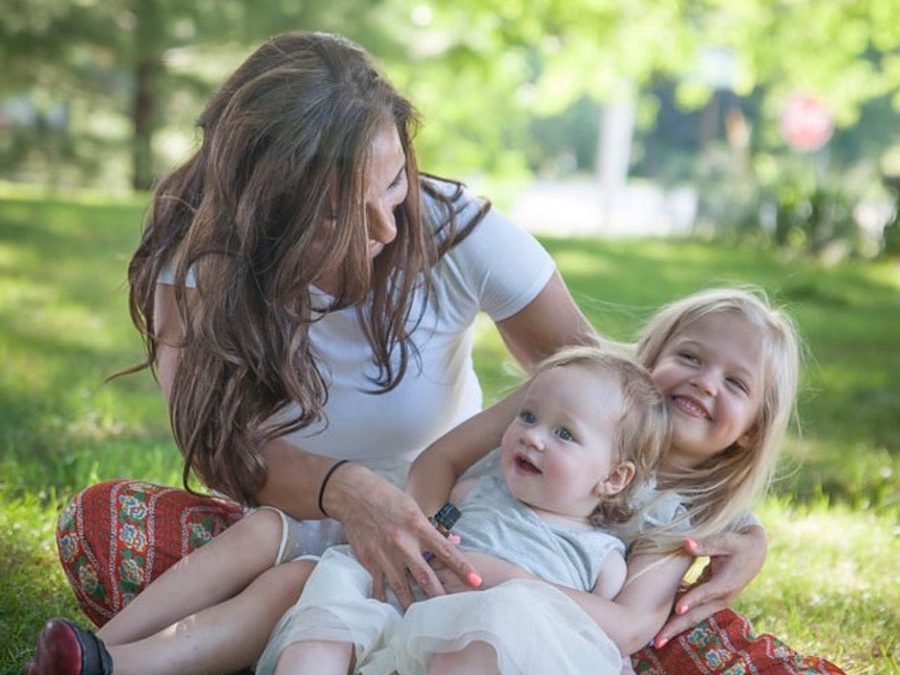
Kids are not easy to tackle. You cannot give them an order and expect them to follow it in one go. It does not work like that. You have to be gentle with them. You must make them realize the benefits of minimalism right from the start, only then you can expect them to incorporate the principle in their life.
But the question is how would you do that? I suggest starting small. For instance, if they are packing their pencil box for school, do not encourage them to keep heavy bunches of pencils. Ask them politely to keep two, and note how easier it gets for them to manage their pencil box.
2. You have to be a role model
Believe it or not, your children learn more from you than they learn from outside. They imitate your every movement. Meaning, they consciously or unconsciously take note of your habits and behavior.
Thus, when they see you practice minimalism, they might want to try it as well. You can start by creating a minimalist atmosphere, like keeping fewer things in the house. While you are at it, include everyone in the house.
In addition to that, you have to keep your habits in check. For instance, you cannot be an impulsive shopper in front of them because it’s antithetical to the principle of minimalism.
3. You have to be ready for stubbornness
Even after trying all the tricks in the world to convince your kids to incorporate this principle, they would still be stubborn. But you have to counter their stubbornness with yours. Meaning, you would have to be equally stubborn. The last thing you want to do is give up.
I know it will get tough, you would be annoyed, you would be infuriated, but you have to be patient and try your best. You cannot just try for a week or two, and expect them to comply with you. You have to do it from the very beginning when they are in their foundational years.
Perceive it as a challenge. You have to keep up to it even if it involves going to the very end.
4. You have to play smart
Your kids are innocent and immature, but they are smarter than you. So, you have to be one step ahead of them. But the question is how?
Well, for starters, you have to look for ways that can make minimalism fun for them. For instance, you can use negative motivation by challenging them. Tell them, “I bet you cannot clean your desk.” Or “You know your sister is better at cleaning her desk than you.”
If the trick works, you will find them decluttering. Perhaps then you can say, “If you would have been minimalistic, you could have done the cleaning sooner.”
Or even better, you can plan a treasure hunt, and include the de-cluttering tasks to reach the final reward.
5. It will take time
Just as I said before, you cannot expect your kids to learn minimalism in just a few weeks. It takes time, maybe weeks, months, or even years. That’s because it takes a change of habits, and most importantly a change of perceptions.
Moreover, minimalism is better to be taught from the very start. Keep a minimalist environment from the beginning, and chances are high that your kids would adopt this lifestyle naturally.
Lastly,
I know that doing things by yourself is one thing, and convincing others to do it is another. It is exhausting and demanding, especially when you have to teach it to your kids. But it is not impossible, you just have to be determined and consistent, and you are good to go.
What are your thoughts on the same? Was this article helpful? Drop your views and suggestions in the comments below. I’d love to read them.
The Danes are some of the happiest people in the world, and they credit their concept of hygge for this happiness. Hygge is all about living mindfully and enjoying simple pleasures. If you’re looking for a way to create more happiness in your life, then start living a hygge lifestyle. One way to start and live a more hygge lifestyle is by familiarizing yourself with the Danish word “hygge.” This term refers to a feeling of coziness, contentment, and happiness that comes from enjoying life’s simple pleasures. When you know what this word means, you can start looking for ways to add more hygge into your life. For instance, if you’re reading this post at home on a cozy Sunday morning, you’re already doing something that incorporates the concept of hygge!
One way to start living a hygge lifestyle is to dedicate time each day to do things that make you happy. This can be something as simple as taking a long walk, reading a good book, or having a cup of coffee in your favorite spot. It’s also important to savor the good moments in life and enjoy time spent with friends and family.
Now let’s get into the tips!
How to Live a Hygge Lifestyle
Tip ONE: Spend quality time with friends and family.
Danish people are known for their close-knit families and friends, and this is one of the secrets to their happiness. When you spend quality time with those who matter to you, it fills your life with love and contentment. Try to schedule regular meetups, dinners, or game nights with your loved ones so that you can enjoy each other’s company. Not only will this make you happier, but it will also strengthen your relationships.
Tip TWO: Keep things simple.
One of the keys to a hygge lifestyle is keeping things simple. This means removing stressors from your life whenever possible and focusing on enjoying the present moment. For example, you should take the time to read a good book instead of scrolling through social media feeds for hours on end. You can also try taking long walks outside and enjoying nature rather than staring at your phone screen all day or watching TV shows that aren’t productive in any way.
Tip THREE: Allow yourself to indulge once in awhile.
Another key to living a hygge lifestyle is indulging every now and then by doing things like treating yourself with new clothes (in moderation), eating desserts after dinner because it makes you happy, taking bubble baths before bedtime, drinking cup of tea or coffee while reading a favorite book; these small pleasures will make life more enjoyable as well as help reduce stress levels so that you can live a happy and healthy lifestyle.
Tip FOUR: Embrace.
One of the best things about living a hygge lifestyle is that you can create your own happy moments by simply embracing the little things in life. For example, instead of rushing everywhere and rushing to get tasks done during the day, take a moment or two out of each week to slow down and enjoy some quiet time alone so you can breathe deeply and recharge yourself for another busy week ahead.
Tip FIVE: Wear comfortable clothes.
People who live a more casual lifestyle will be able to relate to this tip because it does not require much effort at all but has lots of benefits nonetheless! When we wear comfortable clothes like cozy sweaters, leggings, sweatpants (not tracksuits), etc., we feel warm, safe, relaxed which makes us happier people overall. So the next time you’re going to be relaxing at home or out and about, make sure to dress comfortably!
Tip SIX: Eat well.
This is another important tip that goes hand in hand with living a healthy lifestyle. When we eat nutritious foods, our bodies and minds feel better which then allows us to live happier lives. Try to cook simple meals using fresh ingredients as often as possible, and avoid eating processed foods whenever you can. Not only will this make your body feel good, but it will also make your mind sharp and clear.
Cooking simple meals using fresh ingredients is a great way to create a happy lifestyle for yourself. Eating out at restaurants is fun, but it’s important to simplify meals so that you can save money and enjoy simple pleasures like eating home-cooked meals with friends and family more often instead of going out every night.
Tip SEVEN: Take long walks outdoors.
Finally, one of the best ways to enjoy life’s simple pleasures while getting some exercise at the same time is by taking long walks outdoors. This is a great way to clear your head, enjoy nature, and improve your health all in one go! If you have friends or family members who are interested in taking long walks together regularly, this will also help strengthen relationships with the people around you.
Tip EIGHT: Read good books.
As previously mentioned, reading can be an excellent stress reliever so when you take time out of each day to read a book (or two), it’s another simple pleasure that makes life more enjoyable overall while keeping your mind sharp and focused on positive things at the same time. Try not to turn on the TV unless it’s for watching documentaries or educational programs; otherwise try turning off devices like phones and tablets during down-time because they can often be distractions from the important things in life, like reading a good book for example.
Tip NINE: Remove stressors.
Last but not least, one of the best ways to enjoy a more hygge lifestyle is by removing as many stressors from your life as possible. This could mean quitting a job that’s making you unhappy, decluttering your home so it’s less cluttered and chaotic, or spending less time on social media websites and more time talking to friends and family in person. When we’re free of unnecessary stress, we can focus on enjoying life’s simple pleasures without having to worry about anything else!
In conclusion, following these ten tips will help lead you down the path of living a more relaxed and content lifestyle, which is the ultimate goal of a hygge lifestyle! If you’re ever feeling down or stressed out, try incorporating some of these tips into your day and see how much better you feel. And don’t forget to enjoy a warm cup of coffee or tea while reading a good book in your living room – this is one of the quintessential activities that make life more enjoyable according to the Danish concept of hygge!
If you are looking for more ways to incorporate Hygge into your life, check out these other blog posts on the topic:
Most conventionally, people prefer bigger homes. However, in recent years, the trend has changed. People are preferring to downsize for plenty of reasons – budget issues, the irrelevance of a bigger home, and most importantly hassling of organization. Taking up the last, it’s a given that big homes come with big challenges. It’s much more difficult to keep a large house organized, it’s harder to clean and there’s unnecessary clutter that keeps adding because of a big space.
But, if you like open spaces and don’t want to move in order to downsize or you just find the process of moving chaotic and don’t like to start over, don’t worry, you can still downsize.
Wondering how? Read on!
8 practical ways to downsize without moving
1. Minimize storage space
More storage space means more space to add clutter. However, when you minimize storage spaces, it will be at the back of your mind that you don’t have cabinets to keep things, so you think twice before buying something.
Therefore, cut down on your storage spaces. Eliminate things like cabinets, tables, drawers, wherever you use to store things. The same goes for containers and shelves. They can be the storehouse for a number of things. You don’t want that.
I prefer a kitchen with a feature wall of tile or pretty shelving. I don’t like upper cabinetry so I did as little as possible in our kitchen and bathrooms when our designer and my husband insisted we have it. So I compromised and did short cabinets and a feature wall above and below the cabinets. I also don’t have a single cabinet with anything on the top shelf, which further proves the point that I don’t like upper cabinets.
2. Sell things
Did you intend to downsize because you were struggling financially? If that’s the reason, think again. Downsizing itself comes with additional stress and extra costs of packing, moving, transporting, setting up, and many more. Therefore, what you can do is sell out things you don’t need anymore.
If you have a heavy financial crunch, then you can start with selling your car. If not you can sell out storage spaces and other things you don’t need and the ones that you can cash out for a higher value.
3. Clear paper clutter
From piles of newspapers to drawers full of old bills, our homes are full of paper clutters. They can make a mess of your house, and make it look untidy even when it is clean. Therefore, eliminate them from time to time. You can go for e-newspapers and kindle to reduce your paper clutter. And as for the bills, throw them away when they are unnecessary, or if keeping them is important, arrange them in a file properly.
If you want to keep your kids’ drawings, or school work, or other things, you can download certain apps like Keepsy and keep their drawings and important things but not the clutter. I believe you can find apps that will email the photos or mementos to an email and keep it for later as well. Another idea is to create an email address specifically for mementos, drawings, or other paper clutter.
4. Clear out heavy furniture
There would be tons of furniture pieces that you don’t even use, and they’ll still obstruct the free space. Therefore, consider eliminating them.
For instance, if you have a table that you do not use other than to keep things on, consider selling it off.
People often come to our house and wonder if we recently moved in because it appears our home isn’t fully furnished. In reality, our house is fully furnished, but not cluttered. We have seating for our family and a few other people, but we also have floorspace and no clutter. It feels light and airy and free not tight and stuffy.
5. Own fewer clothes
Trivia time! Have you ever wondered how we are all alike? Well, most of us are individuals whose closets are filled with clothes. And interestingly, most of them are those that we do not even wear.
So, why give them space? Let’s guess, you think, “It’s a good top, I can use it someday.”. The truth is, that “Someday” never comes. If you haven’t worn a piece of clothing in a long time, you are not going to wear it anytime soon. So throw them away, even better donate them!
A tip I found helpful a few years ago — When you wash clothes and hang them up, put the hanger the opposite direction so you know you wore it. Go through a season and continue this process and figure out the hangers that didn’t get turned around are the ones you can donate or sell.
6. Cut electronics
In this technologically savvy world, electronics have become our lifeline. We are so dependent on them that we have forgotten what life was like without these technologies. Yes, it makes our work easy, but at the same time, it adds to our electrical bills. So be smart, and consider going traditional where you can. For instance, you can discard your dryer and opt for air-drying the clothes.
An option we went for when building our home was solar. This helps us take advantage of the sun we experience almost 365 days a year and helps convert it to energy for our home. I know in the Midwest where my parents live, wind power is big. There are so many options these days to help conserve and save money.
7. Lock extra rooms
For a family of four, you would not need a home with five rooms. Yes, it does make sense, however, if you don’t live on rent, how about locking your extra rooms instead of moving out? If you own houses, you can always consider big homes as profit generation assets in the future, hold onto them.
In the past year or so, having more space or an escape, from your family every once in a while might have been nice while we were stuck at home. Now that things are starting to shift, see if that extra space is still necessary, or if you can lock it up again.
8. Consider changing or selling vehicles
Vehicles are not anymore a thing of luxury thanks to growing consumerism. Nonetheless, if you think you have an extra vehicle that you don’t use much. Consider selling it off for extra cash.
We all go through seasons in life either with kids, pets, or other adventures where we may need a bigger vehicle. When those seasons end, it’s not always necessary to keep the same sized vehicle. Plus, it’s nice to have a change every once in a while and maybe a little cash in your pocket!
Downsizing your living space doesn’t have to mean moving. There are plenty of practical ways you can downsize without packing up and leaving your home town. We’ve outlined some tips for you to get started, but we want to hear from you. How are you going to simplify your life without downsizing your home? Tell us in the comments below or on our social media pages. We can’t wait to hear how you plan to declutter and streamline your life!
You might have heard plenty about minimalism, as to how it changes lives for the better. Being parents who only want the best for their kids, I bet you would wonder if it can help your kids in some ways.
Good news! It can, it can do some amazing things for your kids! Read along and find out.
Amazing Things Minimalism Can Do for Kids
Here are 5 amazing things minimalism can do for your kids:
1. Help them differentiate between wants and needs
Wants and needs are not the same things even when they sound similar. A need is something you cannot do without. For instance, if you have a few assignments to submit, and you don’t have a laptop for the same. In this case, you would NEED a laptop. As for wants, they usually are desires; you can do without those things but you want them because you like them.
When your kids learn the difference between the two, they will be in control of their shopping instincts. They would not point fingers at things and demand that you buy them. They will think through and avoid unnecessary expenditures.
2. Helps them be grateful
Not just kids, but we all have to be grateful for things we already have. As adults, we are mature, but kids in their innocence and stubbornness can stop being grateful for things they already have.
Being minimalists, your kids won’t desire more, they would be satisfied and grateful for what they have. They would not look at other kids and feel sorry for themselves for not having the things others have.
3. They would not be materialists
Our world is cursed by materialism so much so that we don’t value experiences and memories until they are gone. The reason we do not value them while we have them is that we are all materialists who find happiness in things and objects, forgetting it’s just temporary happiness. Real happiness comes with family, friends, and other people who love you.
Minimalism can combat materialism since it emphasizes on having fewer possessions. It can teach your kids that their world should be beyond tangible things; it should be all about memories and experiences that make life beautiful and worth living.
4. They make better decisions in life
When you are practicing minimalism, you are deciding what to discard, and what to keep. At the same time, you are deciding what to buy and what to not. You compare things, and the values they hold in your present and your near future. In a nutshell, you think through things before making a purchasing decision, and that harnesses your decision-making skills.
When your kids grow up and transform into independent adults, they have to exercise their decision-making skills. They have to make decisions that affect not only their lives but others as well. Being decisive right from their foundation years can help them in this light. They would not overthink, they would be mature and pragmatic in their approach. In the end, they will make better and wiser decisions in life.
5. It will help them be organized
Amazing Things Minimalism can do for Kids
Organization is necessary if you have to live your life smoothly. But let’s skip the bigger picture and narrow down our focus to how organization can help your kids’ day-to-day affairs.
For starters, organizations can drastically reduce obstacles. Your kids would not have to find their socks in a closet full of clothes and everything else. When they would have a fixed place for socks, they’ll find it easily. Moreover, they would not have to look for hours for their books they are supposed to study if they are organized about their possessions. In addition to that, they would not have to spend another hour cleaning the mess they created in between looking for things.
Phew, in a nutshell, organizations can save a lot of time for them to be more productive and dedicated towards their work.
It’s been so great sharing all of this information with you! I truly believe that minimalism can change your life – and your child’s life, too. If you’re on the fence about trying it out, I urge you to take the plunge. It may be hard at first, but it’s so worth it in the end.
One of the best things about minimalism is that it can be tailored to fit your family’s needs. If your kids are young, you may want to start by decluttering your home and creating a capsule wardrobe. This will make getting ready for school and playtime much simpler. You can also start practicing mindful spending, so your children learn how to value what they have.
If your kids are a little older, you can introduce them to the concepts of minimalism and see if they’re interested in adopting a minimalist lifestyle themselves. This can be a great way to teach them about responsibility and living within their means. And who knows – they may even inspire you to take your journey into minimalism!
You can have them read books by Joshua Becker and Marie Kondo to help them understand on their own, which I felt helped Leila get it instead of me trying to drill it in by yelling!
Whatever stage your family is at, I hope you’ll give minimalism a try. It is life-changing magic.
At the end of the day, we desire a financial standing. But for those of us with limited income, it’s extremely difficult. So, what do we do? We begin saving a little. We skip buying a bit costly yet nutritious groceries, turn off the ACs and sweat, go walking or biking long distances, and buy cheaper bread. But the thing is, you are doing nothing but torturing yourself by making drastic changes, and on top of it you are not even saving significantly.
I say, change your approach. In fact, money-saving does not necessarily involve drastically changing lifestyles. However, you have to be slow and steady and make small changes to collectively make big changes in the end.
If you don’t know where to start, here are some tips.
How to live frugally in 2021
50 simple frugal living tips that work
Make shopping lists. Make sure you stick with them and do not go buying something that is not on the list.
Look for cheaper brands for every product you use. (Collectively it will make difference)
Is it cool outside? Great, open your windows, turn off your AC to save on electricity.
Use coupons and schemes that help you save more.
Pack your lunch, don’t eat out.
Opt for homemade meals even on weekends.
Draw yourself a budget and operate on that.
Buy in bulk if you find money-saving deals.
Look for second-hand products.
Walk short distances, or cycle your way there. But do not take cars for short distances.
Plant your own vegetable garden.
Create a zero-waste week (Save the environment while saving money)
Always check on Amazon before you go buy something at an offline store. In fact, you can get things at a very low price on Amazon.
Do not buy bottled water. Take your own water bottle and fill it wherever you can. My go to is my Hydro flask – durable and also keeps the liquid nice and cold!
Go for homemade cookies, jams, and bread.
Set no-shopping months to control your expenses and shopping instincts.
Do not do window shopping, even on shopping apps. If you have to pass your time, read some books instead.
Borrow and wear. Have a party to attend this Saturday? Cool, instead of buying a new dress. Consider borrowing it from a friend. Another way to get new outfits each month is to use a service like Fashion Pass. In fact, they are my favorite for borrowing outfits and returning unlimited each month! Use my code AJ4W to also save on your order!
Differentiate between what you want and what you need. Buying what you need, would help you save money.
Invest in energy-efficient appliances to save your bills.
Downsize and then shift to a smaller house that fits your family. (When you can save on rent, don’t think twice)
Be self-reliant. Have a tap to fix? A bulb to change? Don’t hire help, learn these basic skills.
Cut the cable, instead invest in subscriptions.
Go for handmade gifts. They save money and express your feelings best. In fact, our favorite way to do birthday cards is have the girls make them for people.
Look for free community classes. The local library usually has great resources!
Opt for automated saving.
Create an emergency reserve to practice risk management right at home.
Invest your extra money in equity. We’ve done well with stocks and real estate! But it does take a little time to learn and perfect. But once you get it, it’s so helpful!
Go side-hustling to make additional income.
Sell your clutter for cash.
Invite your friends for get-togethers instead of going out for lavish dinners.
Cut your gym membership and then invest your energy in equally effective home workouts.
Program your thermostats optimally. Our favorite ones to use and program are the Google Nest theromostats. We also use them in our own home as well as our short term rentals!
Stop using your credit cards.
Buy second-hand goods.
Opt for line drying your clothes, it saves electricity.
Make use of local libraries.
Lend books instead of buying new ones, this helps you also cut down on the clutter in your home.
Avoid wastage of resources to cut out on your electricity bills.
Use online wallet services to get cashback, discounts, and offers.
Family outings? Visit places that don’t cost a thing. For instance, a picnic near the lake, or even camping.
Embrace minimalism.
Consume leftovers if they are not stale.
Always bargain.
Get a free hobby.
Go for e-newspapers
Do thorough research before buying anything.
Go for DIY tricks.
Recycle and Reuse.
Go for homemade remedies.
That’s all from my side. So I hope these tips help you to live frugally. Start today, and then save for a better future.
Hey there! How do you save money? Have some tips that you want to share? Then feel free to drop them in the comments below.
Up until now, you must have assumed minimalism to be beneficial for your décor and budget. But did you know that it can yield plenty of health benefits as well? Much to your surprise it’s all linked.
Well, the concept is quite a rage these days and almost every one of us might be familiar with the principle of it. But in case you aren’t, let’s give you a heads up.
In a nutshell, minimalism emphasizes having fewer possessions. This means, the less you possess, the more sorted you will be in life.
The principle yields a lot of benefits when you include it in your lifestyle. By reducing clutter at home, you reduce clutter in your head.
Not only that, there are various other health benefits of minimalism.
Read on to find out!
7 powerful health benefits of minimalism
1. Provides cleaner air
Powerful Health Benefits of Minimalism
Dust is everywhere. It is in the air, but it becomes a problem when dust and mites attach themselves to surfaces. That means the more surfaces (things) there are; the more dust and mites will stick to it.
Cleaning might solve this problem. But imagine when there would be so many surfaces to wipe the dust off them, how hectic and polluting it will be for you.
However, when you have less stuff, you will be done with cleaning in just a few minutes! Consequently, you will feel the ambiance and air to be cleaner.
2. Provides freedom
When you have a house to run on a tight budget, the most stressful thing would be financial management.
But with minimalism, you can save more. Thereby, you will have a much wider financial space, to make wiser decisions.
In addition to that, fewer things would allow more space in your home. Consequently, you will not feel suffocated as you did with more stuff and less space. You will be free to move around, in free spirit.
3. Improves social life
As a homemaker, how often have you canceled plans because you had cleaning chores to do? Well, if it happens frequently, then you know household chores have damaged your social life.
It’s a given that when you have more possessions, it will take longer to clean them. But with minimalism, cleaning will be easier and quicker! It would save you plenty of time to go out, hang out with your friends.
Trust me it will also help you improve your relationship with other people that you neglected because of chores. If suppose you have a friend with whom you haven’t talked to in a while because of work, you can dial them up, and talk like before.
4. Less stress
It cannot be denied that cleaning chores are exhausting when there is so much to do single-handedly. Consequently, as a homemaker, you would worry all the time!
“How would I manage to do it all?”
“It’s just a few minutes before dinner time, and I’m still not done”
But when you have fewer tasks to tackle, you will be less stressed; meaning your mental health will improve significantly.
5. You would focus less on material possessions
When you are a minimalist, you would value moments and memories more than some material possessions. You will be happy with what you have, and you would not desire more. You will be satisfied thereby, improving your mental health.
6. You would focus more on health
Let me guess, all this while you had been so occupied with chores, that you took your health for granted. You stopped taking care of yourself, had a poor diet, and exhausted your body severely without taking enough rest!
If that’s so, then with minimalism, you can repair the damage by finding time to take care of your health needs.
7. Allows time to exercise and pursue hobbies
The one major advantage of minimalism is that it allows free time for you. You can utilize this time to indulge in exercises, boosting your physical health. Likewise, your mental health improves when you find time to devote to your hobbies (After all, hobbies make you happy)
I hope we maneuvered you into realizing the health benefits of minimalism. So, what are you waiting for? Embrace minimalism, today!
Let us know how it works out for you in the comment section.

 work like that. You have to be gentle with them. You must make them realize the benefits of minimalism right from the start, only then you can expect them to incorporate the principle in their life.
 stubborn. But you have to counter their stubbornness with yours. Meaning, you would have to be equally stubborn. The last thing you want to do is give up.
  But the question is how?
 removing stressors from your life whenever possible and focusing on enjoying the present moment. For example, you should take the time to read a good book instead of scrolling through social media feeds for hours on end. You can also try taking long walks outside and enjoying nature rather than staring at your phone screen all day or watching TV shows that aren’t productive in any way.
 because it does not require much effort at all but has lots of benefits nonetheless! When we wear comfortable clothes like cozy sweaters, leggings, sweatpants (not tracksuits), etc., we feel warm, safe, relaxed which makes us happier people overall. So the next time you’re going to be relaxing at home or out and about, make sure to dress comfortably!
 take time out of each day to read a book (or two), it’s another simple pleasure that makes life more enjoyable overall while keeping your mind sharp and focused on positive things at the same time. Try not to turn on the TV unless it’s for watching documentaries or educational programs; otherwise try turning off devices like phones and tablets during down-time because they can often be distractions from the important things in life, like reading a good book for example.
 Therefore, consider eliminating them.
 are filled with clothes. And interestingly, most of them are those that we do not even wear.
 don’t live on rent, how about locking your extra rooms instead of moving out? If you own houses, you can always consider big homes as profit generation assets in the future, hold onto them.
 do without. For instance, if you have a few assignments to submit, and you don’t have a laptop for the same. In this case, you would NEED a laptop. As for wants, they usually are desires; you can do without those things but you want them because you like them.
  are gone. The reason we do not value them while we have them is that we are all materialists who find happiness in things and objects, forgetting it’s just temporary happiness. Real happiness comes with family, friends, and other people who love you.

 have to be slow and steady and make small changes to collectively make big changes in the end.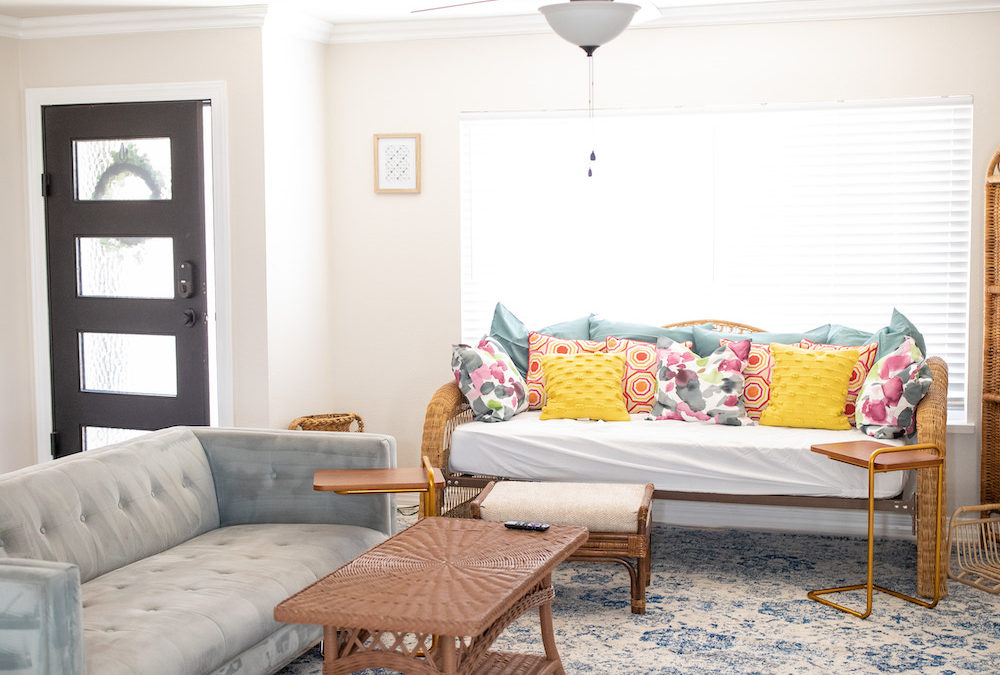
 happens frequently, then you know household chores have damaged your social life.
Recent Comments