From social media posts to chic stationery, everywhere you go, you can find one quote doing the rounds – “Find yourself.”
But what exactly does it mean to find oneself? Frankly speaking, it is a lot of things. For starters, it is understanding who you really are. It’s also getting a sense of things. Not to forget, it is finding what makes you content. The list will go on but the real deal here is: How do you find yourself?
If you’re feeling lost in life, experiencing negative thoughts, and wondering how you can feel like your old self again, here’s your answer. Dive in with me and check out these tips to finding yourself again!
How to Find Yourself Again: Hot Tips
1. Reinstate the principles you upheld.
We all have our own values we believe in. But every time we do things that violate such values/ principles, we feel uncomfortable. In fact, it can make us feel really distant from who we are now and who we were when we set this values in place. Basically, this is when we stop being ourselves. So the solution here is to abandon the project if you are uncomfortable doing it. Don’t let your core principles slip, even if it causes you discomfort or you have to set boundaries.
2. Remember your past and learn from it.
We are always told not to be in the past. But just sometimes, it can do us more good than harm. It can remind you how you used to be before you changed for the worse. And that, you still can be that old version of you.
On top of this, it can teach you the art of survival – that if you survived in the past, you can do so this time as well. Sometimes, revisiting who you are, what went wrong, and what went right can be THE MOST POWERFUL part of finding yourself again and realigning with your values.
3. Cut yourself off from toxicity.
Sometimes the only thing that prevents us from finding ourselves is toxicity. Be it toxic ideologies or toxic people we are surrounded with. These toxic influences can drag you down and leave you feeling bleh. This is why it is important to reflect on people you surround yourself with, and their beliefs and ideas. Cutting yourself from toxicity can help you with your discovery. While it can feel uncomfortable at first, discomfort is an important part on your journey toward growth.
4. Spend more time with yourself.
Doing Nothing is a bad set of words in the eyes of the world. But that’s not the case when you are trying to find yourself. Sometimes, a nap on the couch, chilling it with a nice book, or practicing self care can be a game changer. Allow yourself to live in the moment.
All this is to say that when you sit idle, you are thinking about life and aspirations. And let’s just not undermine the power of thoughts; they can do wonders. Who knows if one of them is actually trying to find yourself? It’s important to find yourself on your own terms.
5. Look around at your tangible possessions.
Things we buy, things we surround ourselves with speak volumes. In this respect, they can totally help you determine who you are. For instance, if you bear an admiration of home-décor items and styling your home, perhaps something related to interior designing can be your thing. Use the things that surround you as a guide of sorts.
6. Make a list of things you like to do.
Our likes and dislikes are integral in the sense that they form a part of us. Therefore making a list of things you like and dislike can be your best shot to determine who you are. And its okay to try some things out before you settle on what you do and don’t like! After all, how are you supposed to figure it out without a few negative days or days of feeling lost? Don’t worry! It will all come together in time. It’s so important to learn how to find your true path.
7. Ponder about things that you don’t like about people.
Points that you do not like about others, might lead you to who you are absolutely not. For instance, if you do not like materialistic people, then you know that you are a simple person and capitalistic professions might not be your thing. If you don’t like how your “friends” pick other women apart, you may be someone who is more uplifting. Your vibe attracts your tribe, so make sure you aren’t falling into bad habits that you dislike about other people just because it’s comfortable. It’s okay to not like specific things or personality traits.
8. Think, what would you do if you were liberated of social and financial obligations?
Sometimes we do not do things we don’t like for the sake of earning a stable likelihood. Therefore, imagine if money is not to be a considerable factor, then what is it you would do? Singing, painting, whatever but one of your answers might be the end of your search.
9. Evaluate the subject of your social discourses.
The subjects and topics you talk about can bring you closer to the discovery. For example, if you find yourself engaging in conversations related to stocks and securities frequently, then you know finance may be your purpose in life. Being more aware of yourself and what you focus on is a great way to find yourself and who you really are.
10. Determine what gives you peace, even after a hectic schedule.
When you are doing something that defines you, you would be tired but you won’t ever run away. And just in case if you do escape, its absence will eat you up and you’ll come back to it eventually. This could be as simple as going to a weekly painting class or starting monthly pilates! Determine what you’re doing when you feel most at peace, even when you’ve had a big day. It will be THIS that lights a fire in your soul and makes you feel complete. The end result? Finding yourself!
11. Spend more time with the people you love.
Sometimes, the best way to find yourself again is to strip your life back to basics and spend more time with the people you love. This can be current friends and family, or someone from your childhood who makes you feel like YOU again. This can help to remind you of your purpose in life, heal your inner child, and really help you find who you truly are at your core. One chat with a friend or family member can open your eyes and make you feel like you’re returning home.
12. Stop worrying about society’s expectation.
Sometimes, the most debilitating thing on the path to finding yourself is society’s expectations. Forget about them! Forget what people are saying and ask yourself: “What do you want and like.” This way, you can dig deep, forget about negative influences, and live your best life. It’s okay to dream big without worrying about what “society” thinks. Step outside of your comfort zone and let the real you SHINE! Come on, you’re worth it.
13. Try something new.
Sure, trying something new can feel pretty daunting, but that doesn’t mean you shouldn’t do it! Sometimes, the best way to find yourself is to look forward instead of backwards. You may find that new things motivate you, inspire you, and ignite the fire within your soul. When you open yourself up to trying something new, you can meet new friends, find a love for life again, and find yourself to become the new YOU!
14. Be kind to yourself.
Last, but certainly not least, make sure you’re kind to yourself. While this does sound basic, it is so important. The journey to finding yourself isn’t easy, and may be really emotional at times. Just allow yourself some time, patience, and understanding, just like you would do for a friend. In fact, the best advice I can give is to treat yourself like a friend! Be kind, considerate, and passionate on this big journey.
This is your cue to find yourself.
Well, this is your cue people. Try out these tips to find yourself again and who you were always meant to be. If you’ve ever felt lost, finding yourself can feel like coming home after a long trip. Set your own short term and long term goal list, and smash it without fear of anything else.
Have you ever feel lost in your life? If so, how did you manage to find your way? Feel free to share your stories in the comments.I would love to hear your experience!
After the pandemic, I noticed that it had brought me so much anxiety. More than ever, I was seriously struggling. Anxiety is so mentally exhausting and affects almost every aspect of my life as a mom, wife, friend, and businesswoman.
The feeling of dread, unexplainable fear, and uneasiness can be disruptive to my day, leading to restlessness and many other unpleasant side effects. It can evoke feelings of agitation, distress, and worry. It induces physical symptoms like dizziness, sweating, and muscle tension.
The bottom line: It’s distressing, upsetting, and totally exhausting. And the stats below make it even more so.
According to American Psychological Association (APA), anxiety is “an emotion characterized by feelings of tension, worried thoughts and physical changes like increased blood pressure.” And, according to statistics, it is estimated that 264 million adults around the globe experience anxiety. (World Health Organization, 2017) and that an estimated 31% of all adults are said to experience an anxiety disorder at some point in their life. (Anxiety and Depression Association of America, 2020).
How To Practice Mindfulness For Anxiety
The start or increase of your risk of having anxiety may have begun as a result of lifestyle and possibly environmental factors. For example, health condition, sleep issues, relationship problems, work or school troubles. or general unhappiness. The good thing is that anxiety symptoms can be relieved, and one of the ways to do this is by practicing mindfulness.
Since anxiety can take a toll on you both mentally and physically, it is important to know how to deal with it. According to Healthline, it’s about turning down the volume in your mind by coming back to the body. It can help you focus on the present moment and soften your reactivity.
Mindfulness involves practicing guided imagery, breathing methods and other relaxing practices, helping you relax your mind and body. To help alleviate your anxiety and staying in the present, explore these mindfulness practices that might help you.
Setting an intention.
It would be best to have something to remind you of your purpose, and setting an intention works best for this. Yoga instructors encourage doing this before starting your day. When an important task gives you anxiety, remind yourself why you need to go through the process. If it’s a promotion interview, find it within yourself to focus on the main reason why you pursued it.
An intention can be simple, it doesn’t have to be hard. It can be as little as “I will make it through this day without getting mad or yelling at anyone.” Don’t overcomplicate it because then you won’t use it or want to do it.
Doing guided meditation.
Doing meditation practices is one of my favorite mindfulness exercises. It helps in processing thoughts and emotions with more acceptance. It improves sleep, lessen feeling burnout, depression, and helps with high blood pressure and gives you more clarity and focus. As anxiety can make us feel like we’re losing control, meditating strengthens our mind and body connection. And you can try guided mindfulness meditation programs online like Youtube and some apps.
The guided meditations from Peloton really help me to remember to breathe, and I use them often. They help my head slow down and not worry as much as I usually do. They help get me through the roughest parts of the day, even when it feel impossible.
Going for a walk.
Whether it’s a short jaunt or a stroll in the park, going for a walk can really help you ground yourself. There’s something about just being in the moment, without much of a care in the world, and being one with the outside world while you let your mind wander.
My favorite kind of walk, when it’s cooler here in Arizona, is to take Louie and Romeo for a 20 minute walk around the neighborhood. It’s a win win because we get outside and get some exercise, and they get tired by the time we get home so they rest!
Opening your attention to the present moment.
You might have heard it said many times and in many ways that opening your attention and focusing on the present moment is the key to enjoying life. Paying attention is not easy nowadays with all the distractions around us. We are used to anticipating what will happen in the future, the worst case scenario, and thinking ahead to be ready when something happens.
Aside from being stuck in thinking about the future and events in the past also boggles your focus. When you get cornered with the what-ifs and maybes, you ultimately feel worn out and exhausted. So stay in the moment. Use mindfulness-based stress reduction by finding the perfect balance of cultivating a sense of presence and reflecting on the past and future. Make an effort to notice anxious thoughts and consider why you may be feeling that way.
Focus on your breathing.
Having negative thoughts affects your focus. To help yourself, focus on your breathing. Close your eyes, take a deep breath, and settle on a comfortable sitting position. You can learn different techniques for this. Try deep and controlled breathing or shallow to be present. It works in relieving stress and frustrations.
I have had to work so hard on remembering and learning to breathe as I have a tendency to hold my breath when things get hard or overwhelming. I have found though, that when you breathe, it helps relax your body and ends up helping the tension and tough feelings go away. Breathing makes things easier and the more you can tune into doing it, the better off you will be.
Podcasts For Mindfulness
Mindfulness for Beginners
Mindfulness for Beginners is a great way to enter the world of mindfulness without becoming overwhelmed. The host understands that getting started can be daunting, and guides you through with expert help. It is a very spirituality motivated podcast, and will build a solid mindfulness foundation.
Daily Meditation Podcast
Set your life up with 30 minutes each morning. The Daily Meditation Podcast is full of amazing tips, tricks, and motivation to help you thrive. This podcast helps to guide you through self-reflection on topics like empathy, courage, and anxiety. You can listen any time, but it is the BEST way to start your morning with simple mindfulness exercises.
Tara Bach
Learning how to listen to yourself and what you’re feeling can make a world of difference your life. The host of this podcast, Tara Bach, talks a lot about mindfulness-based cognitive therapy, human behaviour and emotion, and so much more. If mindfulness with a touch if science is your thing, this is the podcast for you.
Untangle
Untangle is a weekly meditation podcast to help you support your mental health. It is all about resetting your nervous system and using mindfulness exercises to lead a better life. On this podcast, listen to neurologists, psychologists, and more.
Our Mindful Nature (formerly The Mindful Minute)
Our Mindful Nature offers helpful and accessible mindfulness techniques in the form of fascinating episodes. It doesn’t take long to take time for your self, settle on in, and be mindful. I love that this podcast is all about taking time, even 5 minutes, to connect and ground yourself. So, if you’re a busy person, this is the podcast for you!
Ease your anxiety with these tips.
There are a number of mindfulness techniques that can help people anxious feelings and generalized anxiety disorder. Mindful breathing, body scan, and mindful of thoughts and feelings are only a few of the most popular techniques that help with stress and anxiety. While these techniques do take some practice to get used to, they can be very helpful in managing symptoms of anxiety on a daily basis. For people who suffer from generalized anxiety disorder, mindfulness can be an essential tool for helping to manage the condition. In conclusion, mindfulness is a valuable tool that can help reduce stress and anxiety levels in people of all ages in daily life.
Zoom meetings after Google meetings, after a whole day sitting at your desk are pretty harsh. But unfortunately, these are the new office setup today after the pandemic put the world in topsy turvy, and staying at home became a new norm. During the pandemic, SO many of us learned a new norm, and now, returning to work isn’t mandatory everywhere. In fact, so many offices around the world are allowing working from home more than ever before!
Honestly, I love working from home more than I do working in an office. I love that I get to work from my comfort space, with my husband and kids nearby, that I can sleep a little longer, listen to whatever music I want, dress up in more comfortable clothes. However, working from home definitely challenges your self-discipline because it can be easy to lose focus, stay off course when no one is looking over your shoulder. Let me share tried and tested tips on how your readers can create a structure and discipline themselves to separate their business/work from their personal lives and be more focused and productive while working from home.
How to Stay Focused Working from Home
Come to think of it, and when you can’t compartmentalize your professional life and personal life location-wise, it can get to you with distractions and a confused mindset. If this is something that worries you too, here are some tips that work for me, helping me stay focused while working from home.
Have a dedicated workspace.
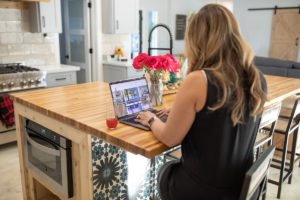
Although working remotely gives you access to your work anytime, and its flexibility is considerably helpful, it’s still essential to set up a home office or at least a dedicated workspace. It helps you stay focused and gives you a working mindset. I used to have an office and desk to work from, but would often find myself working in the kitchen or at the table because that’s where the kids were. And my desk became a catch all that never saw much work.
So I moved it to another property and now work from the kitchen counter where I bring out all my work items when I’m working and then put all of them away when I’m done. It helps me create a space and time to work versus always having a place to catch everything and try to dig out when I want to work.
Stay off social media.
I can easily get lost in the social media wonderland that is Pinterest and forget my tasks. To some, Instagram, Facebook, and TikTok have this rabbit hole effect. Before you know it, you’ve consumed a considerable amount of time perusing your social media.
If this is becoming too distracting to you, it’s better to stay off by turning off your notifications or use apps that help avoid getting distracted by social media. I do the same thing for my phone — all notifications are off all the time, otherwise it gets time consuming and distracting easily.
Have a morning routine.
Productively structure your day by establishing a good routine. Eat your breakfast, meditate, water your plants and set a specific schedule for that. How you start your day is critical in how the rest of it will serve you. Stay on schedule and do something in the morning to boost your drive for the entire day and start with the most crucial task.
Set boundaries.
The truth is, when you have kids at home, setting boundaries can be a challenge. So, it’s essential to talk about it with your partner about having a system and schedule so you can both work and find the right rhythm of spending enough time with your kids. Your Zoom parties with your friends can wait. Respect your office hours even if you’re working from home and do more leisurely activities after.
Create a schedule.
Learn what you need to focus on for the day. Make it visible. Perhaps use an actual calendar on your work desk, or you can also use an online scheduler that helps you organize your tasks. Every day, before you start your day, check your schedule, what your priorities are for the day, and your impending deadlines. This is the way to get yourself to focus on your list and find yourself time for scheduled breaks.
I live and die by my calendar on my phone, because it reminds me when to pick up and drop off my kids, what other events and appointments I have, and can recur as often as needed. I don’t have a visual calendar, but one on my phone that I can share with my family and let them know when I’m not going to be available. Figure out what works for you and stick to that.
Automate as much as you can.
Utilize technology to its best abilities and by that, I mean automate. Pre-schedule whichever you can like emails and social media posts. Even automate your billing. The plan here is to keep your back-office tasks running smoothly, especially those that are repetitive, routinely, and has step-by-step processes.
I love to use Planoly for my social posting, Zapier to connect things automatically that happen over and over again, Hostaway for my short term rental communication, and Google Home to remind me of things I ask with a simple voice command.
Know when to clock out.
One of the habits that’s so difficult to break when doing remote work is clocking out on the dot. It sometimes gets in the way of your personal life. It’s tempting to use your extra time for something you need to do for work like a family dinner or coffee date with friends just because your work has become accessible to you geographically.
Train yourself to create that barrier and clock out as scheduled. It is also helpful to keep you from crashing and burning.
Enjoy your breaks.
It might sound foreign to you but enjoying your breaks is very productive. Break times are like resets, and it keeps your mind fueled with zest to work. However, you need to be careful and figure out what schedule works for you best.
Find that balance and make your breaks worthwhile by maybe drinking your coffee, reading a book, playing a quick game with your kids, or munching on your favorite chips. The important thing is to enjoy your lunch break so you can come back refreshed and ready to get back on task asap.
Use the right tools.
The right tools are your work from home lifeline. If your workspace has the proper lighting and location, your desks and chair are ergonomic, your wifi is high-speed, and your laptop works smoothly, then there’s a big chance that you can do your job seamlessly. It’s essential to be comfortable enough to think and finish your task with ease.
Work on time management.
Time management is the KEY to making working from home work. You can use actively use techniques like time blocking to ensure that you’re making the most of your time at work. Personally, when I have a deadline, I like to set a timer every 15 mins and divide the project into 15 minute blogs. This helps me stay on task and meet my deadlines.
Stay focused working from home with these tips!
When working from home, it is important to know that every day might be different when you are starting out working from home. Some days, the weather can affect us more than others, sometimes our space might need changed up a bit, while others are perfect days where nothing distracts. Having patience is important. Don’t expect to get it all right the first time, make mistakes, try out new routines, and tools, and figure out what works for you.
In life, we all have times when we feel drained and impacted by the negative energy around us. That is why it is so important to learn how to protect your energy. In this blog, you will learn how to protect your energy, why it’s important, and 9 powerful ways to do it. Are you ready?
Many of us allow ourselves to be influenced by other people’s energy. This can sometimes be a good thing if you’re around excited or grounded people. However, if you’re around negative people, that negativity is contagious and can drain your energy. This can happen to everyone, but is especially likely if you’re a sensitive person.
To be honest, it took me a long time to realize that part of my self care habits and routines needed to include protecting my energy. But what does that mean and how can you protect your energy?
Well, everything we do – both physically and mentally – takes some sort of toll on the human body & mind. These actions, decisions, and relationships can leave you feeling devoid of energy to the point where you feel completely drained.
Not sure what I’m talking about? Here are a few examples of things that can deplete your energy:
toxic friendships or relationships
hostile working environments
constantly loaning yourself for advice or as a shoulder to cry on
Your energy is yours and yours alone. In order to live your best life, you need to learn how to protect your energy so that negativity and other people don’t drain your energy.
How To Protect Your Energy
Once you learn how to protect your energy, it’s not that hard to maintain. You will find yourself creating space in your daily or weekly plans to have the space you didn’t know you needed.
Take Time for Yourself
When you notice that you’re being affected by other people’s energy, step away and take time for yourself. By yourself. Do something you enjoy – whatever it is that replenishes you and restores your positive energy.
Some ideas include taking a relaxing bath, watching your favorite show, gardening, reading a book, enjoying a glass of wine, or enjoying the silence and meditating.
Create a Positive Environment
What you put out into the world comes back to you. If you focus on creating a positive environment around you, positive energy will come your way and you will be less impacted by any negative energy.
Some ways to help create a positive environment include helping others, showing gratitude, and giving encouragement and support to someone who needs a boost.
Act Instead of React
When we react to others, we are like racquet balls, flinging around the space in response to another person’s actions or negative emotions. All that flying around is exhausting and leaves you feeling drained.
Instead, pause before reacting. This will allow you to consciously act and put your best foot forward and stay in control of your own energy rather than letting someone else control it.
Set Boundaries
It’s important to learn how and where to draw a line (or boundary) so that you protect your energy resources. All this means is that you stop agreeing to do things you don’t want to do. If you simply keep giving and giving, soon there will be nothing left to give.
“No” is a one word sentence. Often we feel that we need to explain why we can’t or won’t do something. That’s simply not true because you can say ‘no’ and leave it at that. It’s important to take care of your own needs and be clear with others when something won’t work for you.
One thing I often see is boundaries not being set in regards to social media. Just because you’re technically available at all times, it doesn’t mean you have to be! You don’t have to reply to messages straight away, or you can just put your phone down to give yourself some space from the demands of other people. Social media isn’t an all access invitation to your energy.
Meditation
When you notice that something has drained your energy, find a few minutes to do some meditation. Not sure how to meditate? There are apps and even YouTube videos that provide guided meditation to help you.
People and cultures have used meditation for centuries to help restore peace, balance, and improve emotional well-being. The great thing about meditation is that its benefits don’t just stop when you stop meditating, but rather continue with you through the rest of your day.
Crystals
Crystals are a tool to help you get more grounded and feel connected through earth energy. Different stones help to balance your chakras to help protect your energy, give you strength against negative energy, and even reprogram negative thought patterns. Toxic energy can have a huge effect on your well-being and positive mindset, so by carrying crystals with positive energy, you can ground yourself and protect yourself.
When you feel yourself getting drained, take a deep breath. It will help lower your heart rate and blood pressure, improve circulation and mental clarity, and replenish a little bit of your energy. Your mental energy can be seriously depleted when you’re not protecting your energy, and taking a few deep breaths or using breathing exercises can seriously help you out.
This is a quick and effective way to help protect your energy and can be repeated as many times as necessary throughout the day. I like this idea, as you can do it anywhere, anytime, and bring your energy back down and allow yourself to be protected.
Ground Yourself
It happens to everyone at some point: we get swept along the current of someone else’s negative energy. When you’re paying attention and find yourself not grounded or centered, take some time to ground yourself in nature. If you’re in a situation that feels high-energy (in a bad way) and you’re feeling like your energy is unprotected, grounding yourself is an excellent exercise to bring you back down to earth.
A walk on the beach, a hike in the forest, walk barefoot in the park, watching a sunset or sunrise. These grounding activities connect you with the world around you on a deep level to help you feel stronger, balanced, and centered. They can help you become one with your emotions and find your inner peace.
Exercise
We’ve all heard how important exercise is for our physical health. It’s also important for our mental health by reducing negative mood, anxiety and depression while increasing self-esteem and positive energy. When you find yourself feeling drained, get some exercise to release the endorphins that help you get balanced and feel your best.
Exercise is your best friend when it comes to finding inner peace and creating positive energy all around you. Even a 10 minute walk can make a world of difference for you. Anything that releases happy hormones will enhance the positivity around you.
Protect your energy with these powerful tips.
The next time you feel as though negativity has drained your energy, try using these 9 tools to help protect your energy and restore your balance.
Protecting your energy can seem hard, but it isn’t. Well, to be honest, the change can be, but once you begin doing it, you’ll wonder why you didn’t start sooner! It is so important to keep your energy safe and maintain healthy boundaries with the people around you. With the tips above, you can live a healthier life full of positive energy.
Want more tips just like this? If so, head on over to my blog! Or, check out the posts below! I love sharing information to help you create a life you love on your own times. You deserve it, and you’re capable! You got this!
Do you ever find yourself feeling frustrated and bored during conversations? Are you struggling to think of interesting topics that will make your conversation partners actually engage and leave them wanting more? If so, then this blog post is the perfect solution for you!
Today I’m going to show you ten of my favorite strategies for turning any ordinary conversation into an engaging and entertaining one! Whether it’s a business meeting or talking with friends, these tips handy tips will help you put your best foot forward when interacting with people face-to-face. Prepare to become a conversational expert with these helpful tricks!
10 Ways To Make A Conversation Interesting
1. Ask open-ended conversation.
Engaging in meaningful conversations is an art that everyone should try to master, and one of the best ways to achieve this is by asking open-ended questions. These questions prevent one-word, boring answers, pave the way for rich discussion, and encourage elaborate responses by leaving ample room for the other person to express their thoughts and feelings. Unlike those dreaded, closed-ended questions, they help stimulate critical thinking and can reveal fascinating insights into someone’s mind, allowing you to create a beautiful, deeper connection.
Whether you’re just trying to pass the time, or looking to gain a better understanding of someone’s perspective on a certain subject, adding open-ended, broad or personal questions to your conversational arsenal is sure to lead to a more lively, fulfilling, and thought-provoking chat. Don’t be surprised if you find your discussions taking unexpected turns and opening up brand-new topics to explore together! Just beware of asking lots of questions, or it can feel like an interview rather than a good conversation.
2. Find similarities between you and your conversation partner.
Finding similarities between you and the person you’re talking to can be a great way to connect on a deeper level. As you chat with someone, you might discover shared interests, common life experiences, or even a mutual favorite type of sandwich! So don’t hesitate to share a relatable story or ask questions that might help you pinpoint other parallels you might have. You can talk about TV shows, hobbies, or your favorite music to try find something that is common ground between you both.
The excitement of learning about these similarities can not only help overcome the initial shyness, but also make the conversation more memorable and enjoyable for both of you. Who knows, you might just be meeting your next best friend or an inspiring mentor! So go on, be brave starting a conversation and build that meaningful connection to find common ground – it can truly make a world of difference for everyone!
3. Share stories from your life.
Growing up, my life was filled with laughter, love, and occasionally some tears, just like anyone else’s. One of my favorite stories to share with others dates back to my high school days. It was my junior year, and I had finally made it to the coveted top row in the bleachers during our school’s pep rally. The excitement was through the roof as I began to settle into the groove of it all, only to have a game of “telephone” break out among my friends. As buzzed whispers made their way down the line, they finally reached me, and my hearing failed me when it was my turn to pass it on.
I innocently misinterpreted the phrase and loudly proclaimed the butchered version. This invited roaring laughter from everyone around. I can still feel the burning red of my face. But it’s nothing compared to the memories of laughter and camaraderie that we shared that day. It reminds me that sometimes, it’s not the events happening around us but rather the moments with the people we treasure that make life so wonderful. These stories can make your friend feel more connected to you and encourage them to open up and share their stories.
4. Make interesting observations about the world around you.
Isn’t it fascinating to observe the little things that make up our world? Take a moment to appreciate the way raindrops create ripples in a puddle, as each droplet contributes to a symphony of splashing noises. The delicacy of a spider web, with its intricate patterns and ability to withstand the elements, is truly a marvel of nature. Witnessing seasons change and trees blooming with life in the spring, summer’s generous sunshine, autumn’s explosion of colors in the foliage, and the serene beauty of a winter wonderland; it’s easy to see the world as a continuous cycle of renewal.
Cast your gaze towards the sky, under a blanket of stars so distant, and marvel at our tiny existence within the vast expanse of the cosmos. The world around us is a treasure trove of wonder, just waiting for us to take the time to explore and revel in its complexities. These observations can make interesting conversation starters.
5. Ask for advice or opinions about something you’re curious about.
Try this sentence when you’re talking to someone you think (or know) might know the answer. For example: “You know, I’ve always been curious about meditation and I’m hoping to get some advice or opinions on it.” You can then continue the conversation with: “I’ve heard so many people praising its benefits for stress relief, mental clarity, and overall well-being. I’m wondering how important it is to dedicate time to meditation, especially considering our fast-paced and busy lifestyles. So, for those of you who have experienced it, what are your thoughts on incorporating meditation into one’s daily routine? Is it worth investing the time and patience to master the practice, and if so, how have you personally benefited from it? I’m truly intrigued by the concept and would love to hear your insights!”
If you notice that someone starts talking about something they could offer advice on, ask some questions! If you’re yet to really know a person, avoid asking about controversial topics. Otherwise, you may hit a sensitive conversation topic and blow the conversation.
6. Ask for Information.
If you’re trying to liven up a conversation, try asking some of the following questions or talking about something they enjoy. Do you have any hobbies or interests that excite you? I’m interested in photography and would love to know more about it. What type of equipment do you use, and what techniques do you find most helpful when capturing a great shot? Are there certain subjects or landscapes that inspire your work the most? Do you have any tips or tricks for taking beautiful photos in difficult lighting conditions? I’m eager to learn more about the craft and would appreciate your advice! This is a great trick to use to combat any awkward silences!
7. Acknowledge and be aware of any cultural differences between you and the other person.
It’s always essential to be aware of the cultural differences that may exist between you and the person you’re engaging with, even when having a casual conversation. Paying attention to things like this can actually have a lot of benefits! Sometimes, these differences can actually open up new and fascinating avenues in the conversation. When we embrace the diversity and uniqueness that each culture brings, we enrich our interactions by gaining a deeper understanding of their perspectives and experiences. This, in turn, can also foster greater empathy, connectivity, and rapport between people, bridging the potential gap that arises due to different cultures. Ultimately, recognizing and being mindful of cultural differences not only broadens our horizons but also enhances our communication skills as we navigate through different social contexts.
8. Give compliments.
Compliments can really bridge the gap between you and the person you’re talking to. It can make them feel confident, comfortable, and valued. In turn, the conversation will feel much more natural and create a warm space for expression!
A few ideas to get you started and thinking: You know, I’m really impressed with how you never shy away from expressing your opinion and standing up for what you believe in. Your strength of character and courage to speak your truth are truly admirable traits, and it’s wonderful to see that you always strive to stay true to yourself. Keep up the good work!
9. Introduce yourself.
One way to get the conversation started and offer a great segway into them doing the same. Try something like: “Hello, my name is Jane and I’m pleased to make your acquaintance. I’m an avid reader and love exploring new cultures through books. I enjoy outdoor activities such as hiking and cycling, and I’m always looking for a new adventure. In my free time, I like to spend time with family and friends, travel if possible, cook up delicious recipes, and watch films. It’s great to meet you and I’m excited for us to get to know each other better!”
10. Show genuine interest.
When engaging in conversations with someone, it’s important to show genuine interest and curiosity. Ask questions about their interests, hobbies, or passions and listen carefully for understanding. Show that you are not only engaged but also truly interested in what they’re sharing by expressing excitement as appropriate! Let them know you appreciate their insights, values, and ideas by actively participating in the conversation and sharing your own experiences and perspectives. By doing this, you can create an open and enriching dialogue that will allow the conversation to flow naturally.
Go nail your next conversation and avoid small talk with these tips!
Every conversation carries the potential to introduce us to new and exciting experiences. We can connect with someone on a totally unexpected level, learn something new, or even find that we share similar points of view. Making interesting conversations is a skill that everyone should practice and get better at – it can be done through thoughtful planning and execution of the tactics we’ve just discussed! Establishing fruitful conversations can bring about valuable relationships, so it only makes sense to invest some time in learning how best to connect with others. Don’t forget these tips during your next in-person conversation or phone call, and start enjoying meaningful chats that will take you far!
Are you a hoarder and looking for ways to help manage your anxiety? Controlling the need to collect items and reducing stress can be challenging, but it’s possible with proper techniques. Hoarding is a long-term, uncontrollable desire to save things that are mostly useless or unusual. It’s an issue many people face worldwide and can be triggered by anything from anxiety, trauma, or even just collecting small items over time.
When left unchecked, hoarding can quickly spiral out of control, leading to excess clutter throughout your home. It’s an issue that only gets worse over time, as the hoarder accumulates more and more items without taking steps to reduce their collection. As things get worse, everyday activities such as cleaning become difficult and uncomfortable for those with hoarding tendencies.
Whether you already have large collections in your home or you’re hoping to get ahead of the problem before it becomes a big issue, these 11 tips can help keep difficulties at bay while also giving you room to breathe again.
11 Decluttering Tips For Hoarders
Be Open and Honest about Your Hoarding Problem
This is the first step to successful decluttering. Acknowledge that you have a problem and start to voice it out, either by speaking to family or friends, or seeking professional help.
Start with small goals and work your way up to bigger ones
Isn’t it amazing how small victories can lead to monumental successes? When we start with small goals, we’re not only setting ourselves up for achievable results, but we’re also building a strong foundation for bigger accomplishments. Just think about it: when we accomplish something small, we naturally feel energized, motivated, and excited about what’s to come. In this way, we fuel our drive to keep pushing forward, creating a positive snowball effect that allows us to confidently tackle bigger and bolder challenges. So, just remember that sometimes starting small is the perfect way to jumpstart your journey to grand achievements.
Declutter Checklist
Decluttering a hoarder’s home can be daunting, but taking small steps can lead to a clutter-free home and better mental health. Here’s a checklist to get you started:
Begin with one room or section to feel accomplished and motivated.
Tackle living rooms first to create a relaxing environment.
Set a timer for 15-30 minutes to keep from getting burnt out.
Identify items you no longer need or use.
Create a pile of items to keep.
Do the same for any unwanted items you could donate, sell, or throw away.
Consider designated storage for sentimental items.
Involve family members to make the process enjoyable.
Invest in storage solutions to keep your space organized.
Seek professional help for hoarding disorder.
Celebrate progress, no matter how small.
These are just some of the top decluttering tips to help you start decluttering and achieve a clean and organized home. Remember that the decluttering process is tedious, so take your time and be patient with yourself.
Working on the Underlying Issues
Hoarding is often a coping mechanism for underlying issues such as depression, anxiety, or trauma. It’s important to recognize what’s driving the need to hoard and address it with professional help.
Get Rid of Trash First
Start with the obvious. Go through your home and throw out anything that is trash like old food, newspapers, or other items that can’t be reused or repurposed. This will help you start to make a dent in the clutter and also provide some much-needed motivation to keep going.
Make a list of items you wish to keep, discard and donate
As you’re going through the process of decluttering your space, it’s essential to have a clear plan so you don’t feel overwhelmed. Now, imagine yourself holding three different containers labeled “keep,” “discard,” and “donate.” As you sift through your belongings, think about which items give you the most joy and have a functional purpose in your life; those belong in the “keep” pile. Next, consider the things that are broken, expired, or no longer useful – these are destined for the “discard” bin.
Finally, take some time to ruminate on the objects that are still in good condition but not bringing any value to your life. Instead of tossing these away, place them in the “donate” container, knowing that they’ll find a new home with someone who appreciates them. By adopting this simple system, you’ll transform your space into an organized and mindful haven, filled with items that truly matter to you.
Create a sorting system – like color coding – for the items you’re keeping
Have you ever thought about creating a sorting system, like color coding, for the items you’re keeping? Not only does it add a splash of vibrancy to your space, but it also makes locating things a breeze! Imagine opening your closet and instead of being overwhelmed by a pile of clothes, you’re greeted by beautifully coordinated hangers showcasing your wardrobe. Or how about walking into your home office and finding all your important documents neatly arranged in folders according to their relevance?
Trust me, incorporating a color-coded sorting system will not only enhance the visual appeal of your space but also improve your overall organization skills, saving you time and reducing stress. So, what are you waiting for? Grab some colored labels, dividers, or bins and start sorting your items – your future self will thank you!
Another one of the most popular methods for decluttering involves breaking your space into four boxes: keep, donate, sell, and toss. This allows for quick decision-making about which items should stay and which should go.
Set aside time once a week to go through your belongings
Imagine for a moment that it’s Monday evening, and you’re finally settling down after a long day. As you cozy up on the couch, you remind yourself that it’s that special time of the week. That’s right – time to go through your belongings! There’s something magical about dedicating just an hour or two once a week to sort through your possessions, rediscovering forgotten treasures, or realizing that maybe, just maybe, you don’t need to hold onto that collection of hotel shampoo bottles after all. When deciding what to keep and what to throw away, take less than 15 seconds to decide. It can help make it go faster and easier.
Plus, by consistently going through your things and decluttering, you’ll begin to cultivate a cleaner, more organized haven that you can be proud to call home. And the cherry on top? Stepping back at the end of the process, admiring your newly tidied space, and feeling the satisfaction of knowing that you did, indeed, make Marie Kondo proud.
Ask yourself questions about each item before deciding to keep it or throw it away
When it comes to decluttering and organizing our personal spaces, it’s important to ask ourselves some critical questions about each item before deciding whether to keep it or throw it away. Consider starting a friendly conversation with yourself, pondering on the usefulness, sentimental value, and condition of each object. For instance, ask yourself, “Do I use this item regularly, or has it been collecting dust?” or “Does this hold a special place in my heart, or is it just cluttering up my space?”. Evaluate the item’s condition, too – is it still functional or has it seen better days and ought to be replaced?
Taking the time to engage with yourself in this way can work wonders in making our surroundings more spacious, bringing clarity when making decisions, and promoting a healthier and happier environment. The power of decluttering lies in saying goodbye to those objects that are no longer serving us. It can be a liberating experience and one that will certainly leave you feeling refreshed, rejuvenated, and ready for the next chapter in your life. So don’t be afraid to give those items the boot – believe me, you won’t regret it!
Use storage bins for items that are too important to get rid of but don’t have much use
Isn’t it funny how we all have those items that hold such sentimental value, but we can’t find any practical use for them? Well, I’ve found the perfect solution for those keepsakes we just can’t bear to part with – storage bins! By using these handy storage space containers, we can neatly organize and store anything from old photographs to childhood stuffed animals, while still keeping them safe from damage. It’s a great way to declutter our living spaces without losing precious memories. Plus, it’s easy to locate and reminisce on those tucked-away treasures whenever nostalgia strikes. So next time you come across something too important to toss but not quite useful enough to keep out, remember that storage bins are your best friends.
Declutter One Area at a Time
When it comes to decluttering your home, the most important thing you can do is to take it one area at a time. Trying to tackle too much at once will only overwhelm you and might cause you to give up before even getting started. So start small – pick just one room or corner of the house and focus all your energy on that. Once you’ve conquered it, move on to the next spot, and so on. This will help you keep your momentum up and makes decluttering more manageable and less daunting of a task. With this approach, before you know it, your entire house will be neat, tidy, and clutter-free!
Hire a Professional
If time, energy, or motivation are an issue for you, don’t be afraid to enlist the help of a professional. Home organizers and stylists have the expertise and know-how to whip your place into shape in no time. They can also offer valuable advice on ways to declutter and stay organized that you may not have thought of. So don’t be afraid to give them a call – it could make all the difference in transforming your living space from cluttered chaos to heavenly harmony!
Is Hoarding An Addiction?
Hoarding is a complex disorder that can be difficult to understand. While some people may view it as an addiction, it’s actually classified as a mental health disorder. People who struggle with hoarding disorder have persistent difficulty discarding or parting with possessions, regardless of their actual value. This can result in cluttered living spaces that can be dangerous or unsanitary. Hoarding disorder can be challenging to treat, and people who struggle with it may need the help of a mental health professional.
Benefits Of Decluttering Your Home
Decluttering your home can have a variety of benefits for your mental and physical health. First and foremost, it can help reduce stress and anxiety by creating a more organized and peaceful living space. It can also help you save time and money by making it easier to find things and reducing the need to buy duplicates. Additionally, decluttering can improve the air quality in your home by reducing the amount of dust and allergens that accumulate in cluttered spaces. Finally, decluttering sessions can help you let go of the past and move forward, especially when it comes to sentimental items that may be holding you back. Overall, decluttering your home can be a great way to improve your quality of life and create a more comfortable and enjoyable living space.
Take action towards a clutter-free life today!
Hoarding is a serious problem that can take over your life, but it doesn’t have to. By breaking the process of cleaning up and organizing your home into small manageable tasks, you can slowly start to build good habits. Start by setting achievable goals, making a list of things to keep, discard, and donate, creating a sorting system for items you want to keep, dedicating time each week to organize everything, asking yourself questions about each item before deciding what to do with it and using storage bins wisely. Taking these steps will help you declutter your space and give you back control of your life. It’s possible to tackle hoarding; it may take some time but if you stay focused and consistent good habits will become second nature. Small changes make a difference – work on one task or area at a time – it’s doable!


 principles, we feel uncomfortable. In fact, it can make us feel really distant from who we are now and who we were when we set this values in place. Basically, this is when we stop being ourselves. So the solution here is to abandon the project if you are uncomfortable doing it. Don’t let your core principles slip, even if it causes you discomfort or you have to set boundaries.
  to find yourself. Sometimes, a nap on the couch, chilling it with a nice book, or practicing self care can be a game changer. Allow yourself to live in the moment.
 imagine if money is not to be a considerable factor, then what is it you would do? Singing, painting, whatever but one of your answers might be the end of your search.

 environmental factors. For example, health condition, sleep issues, relationship problems, work or school troubles. or general unhappiness. The good thing is that anxiety symptoms can be relieved, and one of the ways to do this is by
  this. Yoga instructors encourage doing this before starting your day. When an important task gives you anxiety, remind yourself why you need to go through the process. If it’s a promotion interview, find it within yourself to focus on the main reason why you pursued it.
  something about just being in the moment, without much of a care in the world, and being one with the outside world while you let your mind wander.
  take a deep breath, and settle on a comfortable sitting position. You can learn different techniques for this. Try deep and controlled breathing or shallow to be present. It works in relieving stress and frustrations.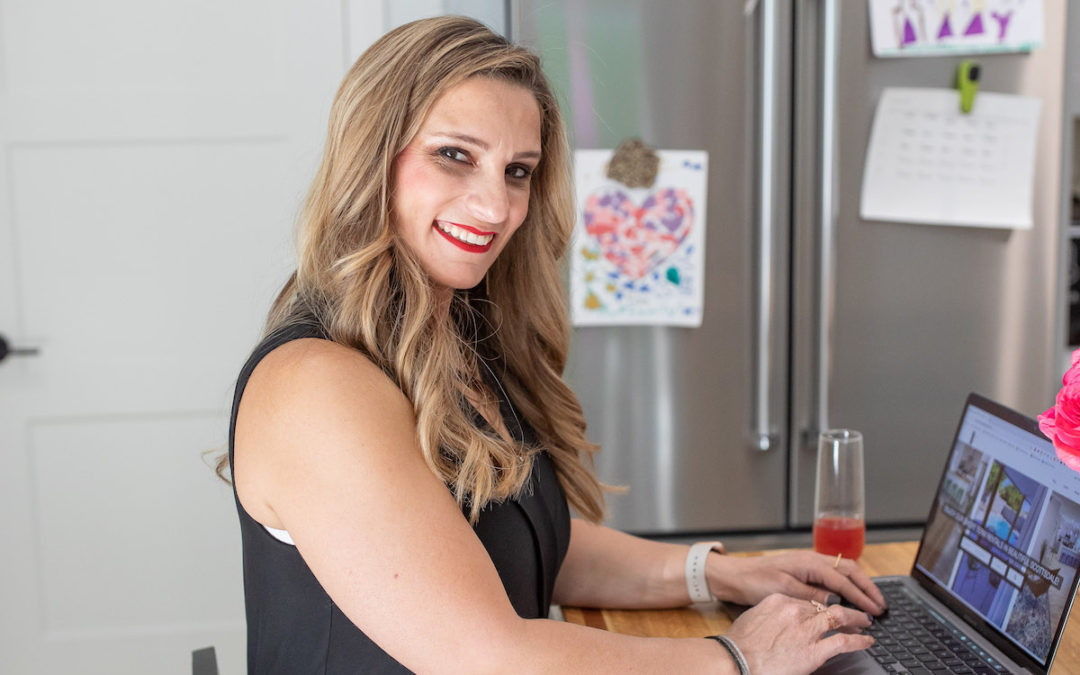
 to set up a home office or at least a dedicated workspace. It helps you stay focused and gives you a working mindset. I used to have an office and desk to work from, but would often find myself working in the kitchen or at the table because that’s where the kids were. And my desk became a catch all that never saw much work.
  tempting to use your extra time for something you need to do for work like a family dinner or coffee date with friends just because your work has become accessible to you geographically.
 person.
 creating a positive environment around you, positive energy will come your way and you will be less impacted by any negative energy.
 you protect your energy resources. All this means is that you stop agreeing to do things you don’t want to do. If you simply keep giving and giving, soon there will be nothing left to give.
  lower your heart rate and blood pressure, improve circulation and mental clarity, and replenish a little bit of your energy. Your mental energy can be seriously depleted when you’re not protecting your energy, and taking a few deep breaths or using
 this is by asking open-ended questions. These questions prevent one-word, boring answers, pave the way for rich discussion, and encourage elaborate responses by leaving ample room for the other person to express their thoughts and feelings. Unlike those dreaded, closed-ended questions, they help stimulate critical thinking and can reveal fascinating insights into someone’s mind, allowing you to create a beautiful, deeper connection.
 to find common ground – it can truly make a world of difference for everyone!
 complexities. These observations can make interesting conversation starters.

 their interests, hobbies, or passions and listen carefully for understanding. Show that you are not only engaged but also truly interested in what they’re sharing by expressing excitement as appropriate! Let them know you appreciate their insights, values, and ideas by actively participating in the conversation and sharing your own experiences and perspectives. By doing this, you can create an open and enriching dialogue that will allow the conversation to flow naturally.
 again.
 recognize what’s driving the need to hoard and address it with professional help.
 about each item before deciding whether to keep it or throw it away. Consider starting a friendly conversation with yourself, pondering on the usefulness, sentimental value, and condition of each object. For instance, ask yourself, “Do I use this item regularly, or has it been collecting dust?” or “Does this hold a special place in my heart, or is it just cluttering up my space?”. Evaluate the item’s condition, too – is it still functional or has it seen better days and ought to be replaced?
 tackle too much at once will only overwhelm you and might cause you to give up before even getting started. So start small – pick just one room or corner of the house and focus all your energy on that. Once you’ve conquered it, move on to the next spot, and so on. This will help you keep your momentum up and makes decluttering more manageable and less daunting of a task. With this approach, before you know it, your entire house will be neat, tidy, and clutter-free!
Recent Comments