Do you want to live a more sustainable lifestyle and make a positive impact on the environment while also saving money? It all starts with everyday habits. From using public transportation to conserving water, there are easy actions that anyone can take to start living sustainably right away! In this blog post we’ll be discussing 21 of these simple habits – from small changes like switching off appliances when not in use to bigger steps such as investing in solar energy or energy-saving lamps. Today’s individual actions have the potential to create tremendous impacts towards social justice and environmental sustainability in the future. It is possible for us all to do our part by implementing practical and sustainable lifestyle habits that nurture Mother Nature. So if you’re ready to kickstart your journey towards sustainability, let’s get started!
21 Sustainable Lifestyle Habits
1. Reduce your food waste – plan ahead and buy only what you will use
If you’re trying to reduce your food waste, one of the best things you can do is to plan ahead and only buy what you know you’ll use. It’s tempting to buy in bulk or stock up on deals, but oftentimes we end up throwing away a ton of food that goes bad before we can eat it. So next time you’re at the grocery store, take a moment to think about what you really need and how much of it you’ll realistically eat within the next few days or week. Your wallet (and the planet) will thank you!
2. Invest in reusable containers for food storage and travel
Are you tired of constantly throwing away empty plastic containers from your packed lunches? Or maybe you’re always worried about finding a leaky, disposable container in your travel bag? Investing in reusable containers for food storage and travel might just be the solution you need. Not only is it an environmentally friendly choice, but it saves you money in the long run since you won’t have to constantly replace plastic containers. Plus, many reusable containers these days come in stylish designs and colors, making your meals on-the-go even more fun and enjoyable. So next time you pack a lunch or plan a trip, consider the benefits of investing in some durable and reliable reusable containers.
3. Shop for second-hand items to reduce your carbon footprint
Are you looking to reduce your carbon footprint and make more sustainable choices? Well, shopping for second-hand items is a great way to start! Not only are you helping to reduce waste and save resources, but you can also find unique and affordable items that are not typically found in stores. Whether you’re searching for clothing, furniture, or electronics, there are many online marketplaces and local thrift stores where you can find exactly what you’re looking for. So why not give it a try and shop second-hand? You might just be surprised at what you can find while also making a positive impact on the environment.
4. Buy local produce so you know where your food comes from
Have you ever thought about buying local produce? It’s a great way to support your community and get fresh, tasty food. Plus, you’ll know exactly where your food is coming from – no more wondering about the origin of your fruits and veggies. By buying local, you’ll also be reducing your carbon footprint, since your food won’t have to travel as far to get to you. And on top of all that, local produce is often more affordable than the imported stuff. So why not give it a try? You might be surprised at just how much you enjoy those local tomatoes or cucumbers. Happy eating!
5. Make a conscious effort to purchase items with minimal packaging
Have you ever noticed how much unnecessary packaging is used when you buy everyday items? It’s crazy, right? From plastic wrap to outer boxes, it seems like everything we buy comes with a surplus of packaging that just gets thrown away. That’s why it’s important to make a conscious effort to purchase items with minimal packaging. Not only will this help reduce waste, but it can also save you money in the long run. Plus, you’ll be doing your part to help the environment. So why not make a small change in your shopping habits and start choosing products with minimal packaging? Trust me, it’s a small change that can make a big impact.
6. Turn off lights and electronics when they’re not in use
Let’s chat real quick about something that we all know we should be doing but sometimes forget: turning off lights and electronics when they’re not in use. Sure, it may seem like a small thing that doesn’t make much of a difference, but did you know that leaving electronics plugged in when you’re not using them can still use up to 25 percent of the energy they would use when you actually are using them? Crazy, right? Plus, it can save you some serious money on your power bills in the long run. So, next time you step out of the room or finish using a device, be sure to give that switch a quick flick. Your wallet (and the planet) will thank you!
7. Conserving Water
We all know that conserving water is important for the environment, but did you know that it can also save you some serious cash? That’s right, by reducing your water consumption each day – through things like taking shorter showers and turning off the tap while brushing your teeth – you can cut down on your utility costs significantly. Plus , you’ll be helping the planet too! So why not make a conscious effort to conserve water whenever possible? It’s a small step that can go a long way.
8. Invest in Quality Products
Look no further than investing in quality products that are built to last! Quality items not only provide superior performance, but they also reduce the amount of waste generated from lower-quality disposable items. Not only that, but investing in better products can save you money in the long run since they will last much longer than their cheaper counterparts. So why not make a conscious effort to invest in quality products and make a positive impact on the environment?
9. Choose Reusable Over Disposable
We all know that reducing waste is important for the environment, so why not choose reusable over disposable items wherever possible? From grocery bags to water bottles, choosing a reusable version of something that would normally be disposable can help you save money and reduce your impact on the planet. Plus, most reusable products are made from quality materials that will last for years, meaning you’ll get your money’s worth in no time!
10. Solar Panels
Are you looking for an easy way to reduce your power bills and help the environment? Look no further than solar panels! By investing in a quality set of solar panels, you can generate your own free electricity from the sun. Not only that, but it’s possible to even make some money off selling excess energy back to the grid. So why not make a small change and invest in solar panels? Trust me, it’s an investment that will pay dividends for years to come. We love having ours on our house, the energy bill is so low each month and we feel good about saving the environment! If you are in the market, make sure to visit Volt Solar because we loved working with them on our home!
11. Energy Efficient Appliances
Let’s talk real quick about energy efficient appliances. By investing in energy efficient models, you can reduce your power bills significantly! Plus, you’ll be doing your part to help the environment too. Not only that, but many energy efficient appliances come with a variety of features that standard models may not have – such as temperature sensors and timers – making them even more appealing.
12. Carpool
Are you looking for an easy way to reduce your carbon footprint while also having some fun? Look no further than carpooling! Not only will it help you save money on gas and reduce your environmental impact, but it can also be a great way to socialize with friends and colleagues. So why not make a conscious effort to carpool whenever possible? It’s a small step that can make a huge difference!
13. Composting
Did you know that composting is an excellent way to reduce your environmental impact? Not only will it help to reduce the amount of waste sent to landfills, but composting can also provide a great source of organic fertilizer for your garden. Plus, you could even sell your compost and make some extra cash!
14. Using Natural Cleaning Products
Are you looking for an easy way to help the planet and save money? Look no further than using natural cleaning products! Not only will they be gentle on your skin, but they’re also much better for the environment. Plus, many of them are cheaper than standard chemical-based cleaners too! Some of our favorite brands include doTERRA, Mrs. Meyer’s, Zevo for flying insects that Polite Pest doesn’t always get with their chemical free bug spray.
15. Spending your Money Wisely
Let’s talk about spending your money wisely. By making conscious choices when it comes to where you put your hard-earned cash, you can help to support businesses that prioritize the environment and sustainability. Plus, look out for companies that offer eco-friendly products too – they’re always a great choice!
16. Practicing Reduce, Reusing, and Recycling
One of the most important tips for helping the environment – practicing reduce, reuse, and recycle. By implementing these three R’s in your daily life, you can make a huge difference to the planet. So why not make a conscious effort to incorporate them into your lifestyle? After all, every small step counts!
17. Reduce Animal Product Consumption
Finally, let’s talk about reducing animal product consumption. Not only will it help to reduce your environmental footprint, but it can also be an excellent way to improve your health and wellbeing too. So why not make a conscious effort to reduce the amount of animal products you consume? Trust me – you won’t regret it!
18. Air Dry your Clothes
Another easy way to reduce your environmental impact is by air drying your clothes. This simple yet effective technique can help you save money on energy bills while also reducing the amount of energy used in the laundry process. Plus, it’s much better for the environment too! So why not give it a try?
19. Install Low-Flow Showerheads
Are you looking for an easy way to help the environment? Look no further than installing low-flow showerheads! Not only will they help to reduce your water consumption, but they can also significantly reduce your water bills. Plus, many of them come with a variety of features such as temperature sensors and timers – making them even more appealing!
20. Choose Eco-Friendly Building Materials
Why not make a conscious effort to choose eco-friendly building materials when renovating or constructing? Not only will it help you save money on energy bills, but it can also reduce your environmental impact too. Plus, many of these materials come with a variety of features – such as temperature sensors, energy-saving coatings, and much more – making them even more appealing!
21. Opt for Slow Fashion
Finally, let’s talk about slow fashion. Not only will it help you save money in the long run, but it can also be an excellent way to reduce your environmental impact too. By opting for eco-friendly materials and sustainable production processes, you’ll be making a huge difference to the planet. Places to avoid with fast fashion include: Asos, Chicwish, Zara, H&M, GAP, Forever 21, Topshop, Esprit, Fashion Nova, and even more mainstream brands like Adidas, Nike, and Walmart.
Living sustainably may seem daunting at first, but the truth is it only takes a few small steps to make a big difference. If you commit to reducing your food waste, investing in reusable containers, shopping second-hand items, buying local produce, and seeking out minimal packaging items when possible – you will be well on your way to living a more sustainable lifestyle. Additionally, being mindful about turning off lights and electronics when they’re not being used will only support your journey. Remember: no one is perfect. You can always challenge yourself to do better and do more as you become aware of new ways to help the environment. Small changes add up over time, so anytime you make an effort – however seemingly small – to reduce your environmental impact is a step in the right direction!
Sleep plays a crucial role in maintaining good health, and getting seven to nine hours of quality sleep each night is essential. However, today’s fast-paced lifestyle, along with various factors, can disrupt our sleep patterns. Lack of sleep not only affects our physical and mental well-being but also contributes to conditions like depression, forgetfulness, weight gain, and accelerated skin aging. In this blog post, we will explore effective strategies to help you change bad sleeping habits and regain control over your sleep routine.
How To Change Bad Sleeping Habits
Adjust Your Bedtime
Maintaining a consistent bedtime is key to improving your sleep habits. Try to go to bed and wake up at the same time each day, even on weekends. This regularity helps regulate your circadian rhythm, the internal clock that controls your sleep and wakefulness. Establishing a routine trains your body to expect sleep at a specific time, making it easier to fall asleep and wake up naturally.
Minimize Evening Light and Electronics
Exposure to blue light from electronic devices close to bedtime can disrupt your sleep patterns. Avoid using cell phones, tablets, or laptops for at least 30 minutes before sleep. Instead, engage in relaxing activities like reading a book, taking a warm bath, or practicing mindfulness techniques. Consider using apps or settings on your devices that reduce blue light emission during the evening hours.
Avoid Exercise and Sugary Snacks Before Bedtime
Engaging in vigorous exercise or consuming sugary snacks close to bedtime can make it difficult to fall asleep. Plan your exercise routine earlier in the day, allowing ample time for your body to wind down. Opt for lighter, nutritious snacks if you feel hungry before bed, such as a small handful of nuts or a slice of whole-grain toast with almond butter.
Create a Relaxing Bedtime Routine
Establishing a calming routine before sleep can signal your body that it’s time to unwind. Consider activities like listening to soothing music, practicing relaxation exercises or meditation, or enjoying a warm herbal tea. Engaging in these activities consistently can help prepare your mind and body for a restful night’s sleep.
Seek Support from Loved Ones and Professionals
It’s important to seek support when trying to change your sleep habits. Communicate with your family and friends about your goals and ask for their understanding and cooperation. If you’re facing persistent sleep issues or suspect a sleep disorder, consult healthcare professionals for expert advice, diagnosis, or treatment options.
Implement Healthy Sleep Environment Practices
Optimize your sleep environment to promote quality sleep. Keep your bedroom cool, dark, and quiet, using curtains, earplugs, or a white noise machine if necessary. Invest in a comfortable mattress and pillows that suit your preferences. Remove distractions, such as TVs or work-related materials, from your sleep area to create a peaceful ambiance.
Practice Good Sleep Hygiene
Developing good sleep hygiene habits can significantly improve your sleep quality. Establish a regular wind-down routine, avoid excessive caffeine and alcohol intake, and limit daytime napping to 20-30 minutes. Additionally, aim to get natural sunlight exposure during the day, as it helps regulate your circadian rhythm and promote better sleep.
Manage Shift Work and Jet Lag
Shift work and jet lag can disrupt your sleep patterns due to irregular sleep and wake schedules. If you work in shifts, try to maintain consistency in your sleep routine by establishing fixed sleep and wake times, regardless of your work schedule. When traveling across time zones, gradually adjust your sleep schedule a few days before your trip to ease the transition.
Prioritize Consistent Sleep
Making sleep a priority is crucial when changing bad sleeping habits. Understand the importance of adequate sleep and prioritize it in your daily life. Avoid sacrificing sleep for other activities, as this can lead to sleep deprivation and further disrupt your sleep patterns.
Monitor and Limit Screen Time
Excessive screen time, especially before bed, can negatively impact your sleep. Set boundaries and allocate specific times for using electronic devices. Consider using features like screen time limits or enabling “Do Not Disturb” mode to minimize disruptions during your wind-down routine.
Embrace Nighttime Rituals
Night owls may find it challenging to adjust their sleep patterns. Gradually shift your bedtime and wake-up time earlier each day to align with your desired schedule. Engage in relaxing activities before bed, such as reading or practicing relaxation techniques, to signal to your body that it’s time to prepare for sleep.
Consult Medical Professionals for Persistent Sleep Issues
If you experience persistent sleep problems despite implementing these tips, it’s essential to consult medical professionals. They can provide a thorough evaluation, diagnose any underlying sleep disorders, and recommend appropriate treatment options tailored to your specific needs.
By incorporating these strategies into your daily routine, you can regain control over your sleep habits and improve the quality of your sleep. Remember, changing bad sleeping habits takes time and consistency, but with patience and dedication, you can create a healthier sleep routine. Prioritize your well-being and reap the benefits of a restful night’s sleep.
Please note that the information provided in this blog post is for informational purposes only and should not substitute medical advice, diagnosis, or treatment. If you have specific concerns or questions about your sleep health, consult with a healthcare professional.
We’ve all had bad days where our home offices look like an entire case of paper exploded all over the place. In my office, I call those days “the day before quarterly taxes are due.” All joking aside, I’ve spent most of the last year dedicated to making my home office a more green and sustainable space. I’ve really wanted to focus on going green. So, I’ve put together the steps I took to reduce my own carbon footprint as I made my home office greener.
How to Make Your Home Office More Green
Unplug and Switch Off
Working from home has its perks, like being able to roll out of bed and straight into your office (aka the kitchen table). But did you know that even when your devices are in sleep mode or turned off, they’re still sucking up energy? It’s like they never learned the concept of personal space! So, let’s give them a timeout and unplug them when you’re not using them. It’s a simple way to reduce energy consumption and save some money on your electricity bill. Plus, it’s a great excuse to do a victory dance every time you successfully unplug something without accidentally pulling out the wrong cord (we’ve all been there).
Reduced Paper Usage
Reducing paper usage is usually the first thing people think of when they think of going green in their home office. No matter which invoice system you’re using, you should be able to save your invoices to your computer or the cloud instead of printing them. If you’re a fan of white papers and other downloadable content like I am, leave it on your computer and read it there, or move it onto a tablet so you can read it from the couch instead of printing it out.
Move client files that aren’t sensitive to Google Docs. If you need to store sensitive data, make sure that you’re using a certified encrypted method. Switch from a paper planner to an online calendar; Google Calendar can do just about anything these days, and you can sync it to Trello or Asana so you can keep track of important meetings and deadlines. You really can go paper-free.
Opt for Energy-Efficient Lighting
Staring at your computer screen all day can make you feel like a vampire avoiding sunlight, but that doesn’t mean you have to settle for a dreary office environment. Say goodbye to those old incandescent light bulbs and hello to energy-efficient lighting options. LED lights are not only more eco-friendly but also last longer, which means fewer trips to the store for replacements. And if you’re really feeling fancy, you can even get smart light bulbs that you can control with your voice or your phone (cue the “I’m living in the future” dance). So, let’s shed some light on your eco-friendly home office and reduce your energy consumption, one bulb at a time!
Used an Eco-Friendly Printer
For some businesses, using a printer can’t be avoided. If that’s the case for you, choose a more eco-friendly printer. I recommend the Epson EcoTank Wireless Color All-In-One. EcoTank printers use less expensive ink than cartridges, and the bottles are better for the environment. The super tank bottles have as much ink as up to eighty cartridges; that’s a lot of landfill space you’re saving! Printworks sells reams of 100% recycled paper so that when you’re printing documents, you’re reducing your use of new paper, too!
Shop the Thrift Store
When it comes to furnishing your green home office, the thrift store can be your best friend! You can often find some incredible deals on office furniture at the neighborhood thrift. When I needed a new filing cabinet, I was able to find a like-new one, with a working lock, for a few bucks. If you’re looking for an office chair, make sure you test your find out before leaving the thrift store. It’s an unpleasant surprise if you find that the chair has been spun so often it won’t stay attached to the base!
Use Smart Power Strips
You know that feeling when your computer, monitor, printer, and who knows what else are all plugged into one power strip, and you break into a cold sweat wondering if they’re silently plotting against you? Yeah, we’ve been there too. But fear not, because smart power strips are here to save the day (and potentially your sanity). These nifty little devices are like the bouncers at the club, monitoring your energy consumption and cutting off power to devices that are just hanging around, being energy vampires. So, say goodbye to unnecessary energy waste and hello to a power strip that’s smarter than your average bear (or vampire, for that matter).
Buy Recycled
You also have some options if you want to buy recycled. Office mats, which keep you from damaging your carpet or laminate floor, are easily found with recycled options. Cube bookcases are great for storing books or other essentials. Durable plastic notebooks can be made from recycled materials, too! For a while there, every time I hit the office supply store, I would cruise through the aisles for stuff I knew I would be purchasing soon so I could price out recycled options; sometimes I would find recycled products I didn’t even know existed!
Embrace Natural Lighting
Who needs a fancy ergonomic chair when you can have the warmth of the sun as your office buddy? Embracing natural lighting not only gives your workspace a fresh and inviting feel but also helps reduce your reliance on artificial lighting. So, open those curtains wide and let the sun work its magic on your productivity levels. Just make sure you don’t blind yourself with the glare on your computer screen, or you’ll look like you discovered a secret talent for impersonating a zombie. Natural lighting is the eco-friendly way to light up your office while also giving you a healthy dose of vitamin D. It’s a win-win!
Stay Organized
It sounds strange to tell you that staying organized is part of going green. But I’m going to tell you why. Whenever we let our offices get cluttered with stuff, our first instinct is to buy more stuff to get it uncluttered. The truth is, we usually don’t need more stuff to get it uncluttered; we just need to put everything away in the first place. Once you get your green office set up, keep it tidy.
Add some time to clean your office into your schedule every week, and plan to do a deep cleaning once a quarter. Move everything around and vacuum, wash the windows, and organize your bookshelves, and the whole lot. If you stay organized, you won’t need to buy more stuff. But if you do, for some reason, need to replace something, make sure that you recycle it if it’s at all possible, so that you keep the green cycle going.
Plant Some Actual Greenery
If your home office is feeling a little too stale, it’s time to bring in some actual greenery. No, we’re not talking about those fake plants that collect dust faster than you can say “décor disaster.” We mean real, living plants that not only improve the air quality in your workspace but also add a touch of life and personality. Just make sure you’re not accidentally turning your office into a jungle with plants growing out of every corner. A balanced amount of greenery will give your eco-friendly home office a fresh and vibrant vibe. Plus, if you forget to water them, just blame it on being too focused on saving the planet.
Go green in your home office by taking these simple steps today!
Going green is one of those investments that you will pay more for initially, but that you will thank yourself for in the long run. Ultimately, it will pay off, and you’ll appreciate the changes you made further down the line. I can also tell you I feel more productive and have a clearer head space to accomplish things when it’s organized than when it’s not organized.
There are several ways to make your home office more green. Working remotely means you can ditch the commute and work from the comfort of your own home. To make your office more eco-friendly, start by replacing incandescent bulbs with LED lights. You can also take advantage of natural light by opening blinds and curtains during the day. If you need to use additional lighting, look for energy-efficient options.
Another way to reduce your environmental impact is to choose environmentally friendly office supplies, like refillable pens and recycled paper. If you are going to head out of the office, use a reusable bottle which you can also use in the office day to day to help you get your daily water quota. Finally, be mindful of your energy usage. When you’re not working, power down electronics and unplug them from the power strip. Taking these steps will help to make your office more green and sustainable.
Self-discipline is one of the most valuable life skills that you can learn. It’s what sets successful people apart from those who struggle to make progress. The ability to focus on doing the right things at the right time, and to stick at tasks until they’re complete, is essential for achieving your goals and feeling fulfilled in life. Good self-discipline will make you happier, more decisive, satisfied, resilient, motivated, and likely to achieve successful outcomes later in life. If you’re wondering how to improve your self-discipline, it’s important to develop good habits. It’s a practice that needs to be worked on each day, but with some practical strategies, you can begin mastering self-discipline for a more rewarding life. Keep reading and I’ll share 10 tips for building self-discipline that you can start using right away.
How To Have Good Self Discipline
1. Start Small
Starting a new habit is never easy, but it’s crucial in building self-discipline. Whether your goal is to lose weight, improve your productivity or learn a new skill, the key is to start small. By setting achievable goals, you can avoid feeling overwhelmed and help stay motivated through the process. For example, if your aim is to exercise more, try starting with a few minutes of stretching each day instead of trying to run a marathon from day one. Once you’ve reached your initial goal, gradually increase the intensity and duration of your workout routine. Another helpful tip is to have a backup plan in case something goes wrong or you miss a session. Remember, building self-discipline takes time, but with small, achievable goals, you’ll be on your way to success in no time.
2. Choose A Goal
When it comes to mastering self-discipline, choosing a goal is key. Setting clear goals not only helps you create new habits but also gives you something to work towards. Whether it’s hitting a fitness target, learning a new skill, or even just making your bed every morning, having a specific goal in mind is crucial. But it’s not just about picking any goal, studies show that choosing a goal that is meaningful and significant to you will make it easier to stick to. By breaking down the steps needed to achieve your goal into manageable tasks and tracking your progress, you’ll not only feel more accomplished but also increase your self-esteem and confidence. So don’t be afraid to choose a goal and get started on your journey to better self-discipline!
3. Setting Clear Goals
When it comes to self-discipline, setting clear goals can make all the difference. Trust me, I know how tempting it can be to just scroll through social media instead of tackling something you know you should be doing. But by setting a small but specific goal, you’ll feel much more motivated to work towards it. Whether it’s deciding to eat healthier or break a bad habit, having a clear objective in mind can help you stay on track and avoid feeling bad about yourself for not accomplishing anything. And as you start achieving those smaller goals, you’ll build up the confidence to take on even bigger challenges. So don’t underestimate the power of setting clear goals – it can be the key to unlocking your self-discipline and achieving success in whatever you set your mind to.
4. Finding Motivation
Self discipline is an essential tool for success, but let’s be real, it can be challenging to achieve. Many of us struggle to stay focused and motivated, especially when it comes to setting and achieving long-term goals. That’s where finding motivation comes in. Successful people know that motivation is the fuel that powers self-discipline. But, how do you find it? The answer is simple: set a clear goal, create a plan of action, and visualize your success. Stay focused on your end goal, and remind yourself why you’re doing what you’re doing. Faithfully executing these small habits can help you stay motivated and committed to your long-term goals, ultimately leading to greater self-discipline. Remember, lack of discipline will stunt your growth; however, practice self-discipline, and you’d be surprised at the progress you can make.
5. Identifying Obstacles and Weaknesses
Self discipline is a valuable trait that can help us achieve anything we set our minds to. But it’s not always easy to maintain. One helpful tip for generating good self discipline is identifying both our obstacles and weaknesses. Once we understand what holds us back, we can take the necessary actions to overcome them and move forward. This might mean setting boundaries around our time, breaking down tasks into smaller steps, or finding an accountability partner. By addressing our obstacles and weaknesses head-on, we set ourselves up for success and create a foundation for long-term discipline. It’s not always an easy process, but the rewards of accomplishing our goals make it all worthwhile.
6. Removing Temptations
Self-discipline is a tough nut to crack, but one effective tip is to remove temptations. Whether it’s junk food, distracting devices or an unproductive environment, these can be hindrances to staying disciplined. Start by identifying what kind of prompts lead you to deviate from the tasks at hand and remove them from your immediate surroundings. For instance, if your smartphone is a major distraction to you at work, switch it off and keep it away for the duration of your workday. Similarly, if you have a tendency to snack on fatty foods while working, stock up on healthier alternatives like nuts and fruits. These small yet effective steps can go a long way towards building self-discipline and achieving your goals!
7. Replacing Old Habits
Generating good self discipline is not always easy, however one helpful tip is to replace old habits with new, healthier ones. This allows you to break the cycle of repeat behavior and gives you the opportunity to create a better routine. It’s important to be aware of what habits you need to change, and recognize that it might take time and effort to make the switch. One technique is to start with small changes so you don’t feel overwhelmed. These positive changes can go a long way in improving your overall well-being. Getting into a new routine may not be easy at first, but once you have established healthier habits, you will often find it more fulfilling and satisfying than relying on old habits that aren’t serving your best interests. By taking this step, you can enjoy a more productive and successful life.
8. Reminding Yourself Why you Started
When it comes to self-discipline, it’s easy to lose sight of the reasons why we started down this path in the first place. Whether it’s sticking to a new workout routine, cutting back on unhealthy habits, or working towards a big goal, reminding yourself why you started can be a powerful tool for staying focused and motivated. One way to put this into practice is by setting up visual reminders around your workspace or living space. This could be a post-it note with a motivational quote, a picture that represents your end goal, or even a daily affirmation that you repeat to yourself. By keeping these reminders in sight, you’ll have a daily dose of inspiration to help you stay on track and hold yourself accountable. Give it a try and see just how helpful a simple reminder can be in strengthening your self-discipline.
9. Forgiving Yourself
When it comes to self-discipline, forgiving yourself may not be the first thing that comes to mind. But, it’s a tip that can truly make a difference. We all make mistakes and we tend to be our own harshest critic, which can lead to feelings of guilt and inadequacy. The key is to acknowledge that we are human and we will inevitably stumble along the way. When we forgive ourselves for our slip-ups, we allow ourselves to move forward and continue working towards our goals. It’s not about excusing our actions, but understanding that we can learn from our mistakes and do better next time. So, the next time you feel discouraged after making a mistake, take a breath and practice self-forgiveness. It may not be easy, but it is definitely worth it.
10. Monitoring Your Progress
Have you ever noticed how difficult it can be to maintain self discipline? It’s easy to start off motivated and excited about a goal, but over time, our motivation can wane and it can be hard to stay on track. One tip that can help us generate good self discipline is to monitor our progress. By keeping track of our progress, we can see how far we’ve come and how much we’ve accomplished. This not only helps us stay motivated but also gives us a sense of accomplishment as we move closer to our goal. Not to mention, tracking our progress allows us to identify any areas in which we may need to improve or adjust our strategies. So, whether you are working towards a fitness goal, trying to save money, or striving to be more productive, give monitoring your progress a try and see how helpful it can be!
In conclusion, practicing self-discipline is essential for achieving personal and professional success. It requires commitment, consistency, and a willingness to overcome setbacks. Implementing the ten tips for good self-discipline can help you establish positive habits, improve your time management, and increase your productivity. Remember, self-discipline is not about being perfect, but it is about making progress towards your goals and being able to hold yourself accountable. By incorporating these tips into your life, you can develop good self-discipline and take control of your future. So start today, and watch your self-discipline and overall success soar.
I’ve recently been having to have difficult conversations with someone in my life who I believe is a Narcissist, and these tips have helped me time and time again for remembering not to let them make me feel bad about myself or the situation. You have to be very careful when speaking with them as they will try to make you out to be the bad guy, or themselves as the victim. Stay strong and remember, I’m always here sending big love to you<3
Having a conversation with a narcissist can be challenging, as they tend to have an inflated sense of self-importance and a lack of empathy for others. However, it is possible to engage with them constructively by employing certain strategies. Here are some tips for having a conversation with a narcissist:
1. Stay Calm and Patient:
Maintain your composure and patience throughout the conversation. Narcissists may try to provoke emotional reactions, so staying calm is essential.
2. Be Clear and Direct:
Narcissists often respond better to direct communication. Be clear about your thoughts and feelings, and avoid beating around the bush.
3. Set Boundaries:
Establish and communicate your boundaries early in the conversation. Let the narcissist know what behavior is acceptable and what is not.
4. Avoid Criticism and Blame:
Instead of accusing or blaming the narcissist, focus on expressing your feelings and needs. Use “I” statements to describe your own experiences and emotions.
5. Listen Actively:
Give the narcissist an opportunity to express themselves. Actively listen to their perspective, even if you disagree. This can help create a more open and less defensive atmosphere.
6. Validate Their Feelings:
Narcissists often crave validation. You can acknowledge their feelings without necessarily agreeing with their point of view. This can help reduce defensiveness.
7. Be Prepared for Manipulation:
Narcissists may employ manipulation tactics to control the conversation or divert it to their own needs. Stay vigilant and gently redirect the conversation back to the topic at hand.
8. Avoid Competing:
Narcissists often have a need to one-up others. Avoid getting into a competition or trying to outshine them. Instead, focus on mutual understanding.
9. Stay Focused:
Keep the conversation on track and avoid getting sidetracked by their attempts to change the subject or make it about themselves.
10. Know When to Disengage:
If the conversation becomes excessively draining, hostile, or unproductive, it may be best to disengage and revisit the discussion at a later time when emotions have cooled.
11. Seek Professional Help:
If you find it consistently difficult to communicate with a narcissist, consider involving a therapist or counselor. They can provide guidance and mediation to facilitate more productive conversations.
Remember that dealing with narcissists can be challenging, and not all conversations may lead to a satisfactory resolution. In some cases, it may be necessary to limit your interactions with narcissistic individuals for your own well-being. Self-care and maintaining healthy boundaries are crucial when dealing with difficult personalities.
As temperatures start to warm up or cool down, it’s important to remember the biggest organ of the body — our skin. And one way to do that is to stay hydrated, wear sunscreen, and try your best to stay out of the direct sun. It’s an all day long process of replenishing your skin, not just at the end of the day. Replenish your body’s protective layer throughout the day, don’t take your skin health for granted because it often leads to dehydrated, dull, and dry skin. UV rays trigger free radical damages like wrinkles and fine lines so, make sure to take great care of your skin while having fun under the sun. And I’ll share some tips on how to replenish your skin to keep it radiant, healthy, and glowing.
How to Replenish Your Skin
Your skin is subjected to all sorts of external factors that could damage it. Every season has its threat to your skin, summer included. While the sun can bring in so many fun activities, it can also cause damage brought by toxins, dust, and grime clogging the pores. To keep your skin safe from possible freak-outs, here are tips to help you be your skin’s superhero:
Hydrate
Drink water, warm water if possible. It’s the most basic and most vital tip to replenish not just your skin but your entire body. It helps in flushing the toxins and paves the way for nutrients that help keep your skin glowing. Dehydrated skin means that it lacks water. It’s dry, sometimes itchy, and lackluster. Water invigorates cells which gives a clearer and look. Set the alarm on your phone, create reminders for you to drink water. You can also sustain skin hydration by preparing a container to take with you throughout the day, helping ensure you consume at least 8 glasses of water each day. When you can, use a reusable water bottle, like my favorite Hydroflask, which I take everywhere with me and I only need to refill one time a day since it’s 40 ounces. Skin care starts with drinking water!
If you are local to Phoenix, or want to support people who don’t have regular access to cool drinking water in Phoenix, you should check out this amazing non profit, Ara Water Foundation. Ara donates a reusable stainless steel water bottle filled with cold water to anyone in the local Phoenix area with the purchase of any of their water bottles. It’s not just about hydrating the skin in Arizona, without access to water, you die really quick, and people experiencing homelessness often are the most vulnerable and their skin is the first place which sees improvement once they are able to keep hydrated with these water bottles.
Eat food that helps replenish your skin
As you aim for radiant skin, make sure to fuel your skin cells from the inside. Eat food that nourishes them, like fruits and vegetables. Consult your dietician and ask which food is best for every layer of skin. Here’s my roundup of the most hydrating foods with high water content to help replace all that water loss!
One of those commonly suggested is Avocado, considered as a superfood with vitamin E. It has an anti-inflammatory function that keeps your skin glowing and hydrated.
For supple skin, orange juice is your best bet. Its B1 and folate improve oxygen distribution in your blood, resulting in a balanced skin tone.
Meanwhile, green tea that is chock full of vitamin E and B2 supports maintaining your skin’s collagen levels. It serves as a hydrator for dry skin.
Add Kale to your diet because it’s packed with vitamins A and C that stimulate the healthy growth of your cells by producing collagen.
Olive oil is a natural anti-aging agent. It is packed with antioxidants, fatty acids, and vitamin E that improves the skin whether consumed or topically applied.
These are just three examples of food that are natural replenishers of your skin and body. There are more options out there; research and look for the best ones that suit your diet and lifestyle.
Use a gentle cleanser
Whether your have healthy skin or acne prone skin or anything in between, its actually always a good idea to use a gentle cleanser when washing your face. Using harsh ingredients on your face is one of the best ways to ensure dull, scarred, and downright painful dry skin. This is why dry skin especially calls for a gentle cleanser. If you can, choose one with hyaluronic acid to further help hydrate and replenish your skin’s moisture barrier.
Exfoliate
It bears stressing that exfoliating is necessary, but the most vital part is how you properly do it. Dry and dead skin cells can make our skin look and feel dull. It often leads to pimple breakouts and sometimes eczema. It’s all about speeding up the life cycle of your cells. The faster they replenish, the more glowy your skin will look.
Exfoliating, it can allow the serums and moisturizers to penetrate your skin better. It makes your complexion brighter and healthy-looking at the same time prevents pores from clogging. I can tell when I need to exfoliate because my skin starts to feel heavy on my face and my makeup products don’t work as well on my face. This one is my favorite by far.
However, it’s essential to choose wisely when it comes to exfoliating skincare products. If you prefer something that doesn’t suit your skin, especially the top layer, it might bring more damage instead of progress. So, know your skin type and get to know your products better. Also, do not over-exfoliate because it leads to redness and flaking.
Keep stress in check
There’s a study that links the psychological stress in college students and skin symptoms. It claims that those experiencing high stress levels show specific skin issues like itchy skin, hair loss, flaky and oily scalp, too much sweating, dry, scaly skin, and hand rashes. These researchers suspect that stress causes an increase in sebum production. It blocks the pores and creates more skin problems.
Look for a stress-relieving activity, maybe yoga, working out, Zumba, reading a book, or simply watching a good film. All this for you to relax your mind and learn to classify your thoughts.
Get your beauty sleep
Never underestimate the value of sleep. Just like drinking water, napping and sleeping are free and can improve your skin tone. According to the National Sleep Foundation, sleep deprivation is detrimental to your health and impacts the skin. One possible result is premature skin aging. Sun exposure is a stressor, and without sufficient sleep, it will be a challenge for your skin to repair any damages. So sleep adequately to keep that skin glow permanently.
Moisturize your body
The holy grail of skincare is skin moisturizers. They keep your skin hydrated, smooth, clear, and your future self will thank you later.
Your skin’s moisture barrier can maintain the proper balance if you use the right moisturizer that matches it. Blemishes are evened out, and they can help your skin repair itself.
Again, choose a moisturizer that works best for your skin and that gives you the best result—saying that I have some tried and tested brands that work for me that I’ll share with you below. If you’re not sure where to start, make an appointment with your board certified dermatologist.
My Favorite Skin Moisturizers
Eucerin Calming Cream is one of my favorite moisturizers because it’s thick and holds in the moisture and doesn’t cause a stickiness.
Coconut Oil is my next favorite because it’s natural, usually doesn’t have any additives, and is easily accessible for everyone.
And the last one is a two for one – bronzer and moisturizer. Lux Unfiltered No 32 adds moisture while giving you a glow for a few days. Active ingredients include shea butter, cocoa butter, natural DHA, and more! Love it!



 are you helping to reduce waste and save resources, but you can also find unique and affordable items that are not typically found in stores. Whether you’re searching for clothing, furniture, or electronics, there are many online marketplaces and local thrift stores where you can find exactly what you’re looking for. So why not give it a try and shop second-hand? You might just be surprised at what you can find while also making a positive impact on the environment.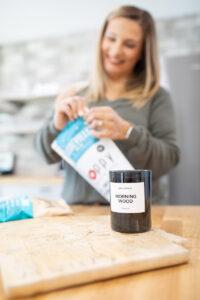
 your water consumption each day – through things like taking shorter showers and turning off the tap while brushing your teeth – you can cut down on your utility costs significantly. Plus , you’ll be helping the planet too! So why not make a conscious effort to conserve water whenever possible? It’s a small step that can go a long way.
 money on gas and reduce your environmental impact, but it can also be a great way to socialize with friends and colleagues. So why not make a conscious effort to carpool whenever possible? It’s a small step that can make a huge difference!
 regret it!
 impact too. By opting for eco-friendly materials and sustainable production processes, you’ll be making a huge difference to the planet. Places to avoid with fast fashion include: Asos, Chicwish, Zara, H&M, GAP, Forever 21, Topshop, Esprit, Fashion Nova, and even more mainstream brands like Adidas, Nike, and Walmart.
 regularity helps regulate your circadian rhythm, the internal clock that controls your sleep and wakefulness. Establishing a routine trains your body to expect sleep at a specific time, making it easier to fall asleep and wake up naturally.
 whole-grain toast with almond butter.
 alcohol intake, and limit daytime napping to 20-30 minutes. Additionally, aim to get natural sunlight exposure during the day, as it helps regulate your circadian rhythm and promote better sleep.
 Consider using features like screen time limits or enabling “Do Not Disturb” mode to minimize disruptions during your wind-down routine.


 Who needs a fancy ergonomic chair when you can have the warmth of the sun as your office buddy? Embracing natural lighting not only gives your workspace a fresh and inviting feel but also helps reduce your reliance on artificial lighting. So, open those curtains wide and let the sun work its magic on your productivity levels. Just make sure you don’t blind yourself with the glare on your computer screen, or you’ll look like you discovered a secret talent for impersonating a zombie. Natural lighting is the eco-friendly way to light up your office while also giving you a healthy dose of vitamin D. It’s a win-win!
 It sounds strange to tell you that staying organized is part of going green. But I’m going to tell you why. Whenever we let our offices get cluttered with stuff, our first instinct is to buy more stuff to get it uncluttered. The truth is, we usually don’t need more stuff to get it uncluttered; we just need to put everything away in the first place. Once you get your green office set up, keep it tidy.
 or you miss a session. Remember, building self-discipline takes time, but with small, achievable goals, you’ll be on your way to success in no time.

 routine, cutting back on unhealthy habits, or working towards a big goal, reminding yourself why you started can be a powerful tool for staying focused and motivated. One way to put this into practice is by setting up visual reminders around your workspace or living space. This could be a post-it note with a motivational quote, a picture that represents your end goal, or even a daily affirmation that you repeat to yourself. By keeping these reminders in sight, you’ll have a daily dose of inspiration to help you stay on track and hold yourself accountable. Give it a try and see just how helpful a simple reminder can be in strengthening your self-discipline.
 can wane and it can be hard to stay on track. One tip that can help us generate good self discipline is to monitor our progress. By keeping track of our progress, we can see how far we’ve come and how much we’ve accomplished. This not only helps us stay motivated but also gives us a sense of accomplishment as we move closer to our goal. Not to mention, tracking our progress allows us to identify any areas in which we may need to improve or adjust our strategies. So, whether you are working towards a fitness goal, trying to save money, or striving to be more productive, give monitoring your progress a try and see how helpful it can be!
 flushing the toxins and paves the way for nutrients that help keep your skin glowing. Dehydrated skin means that it lacks water. It’s dry, sometimes itchy, and lackluster. Water invigorates cells which gives a clearer and look. Set the alarm on your phone, create reminders for you to drink water. You can also sustain skin hydration by preparing a container to take with you throughout the day, helping ensure you consume at least 8 glasses of water each day. When you can, use a reusable water bottle, like my favorite
  your dietician and ask which food is best for every layer of skin. Here’s my roundup of
Recent Comments