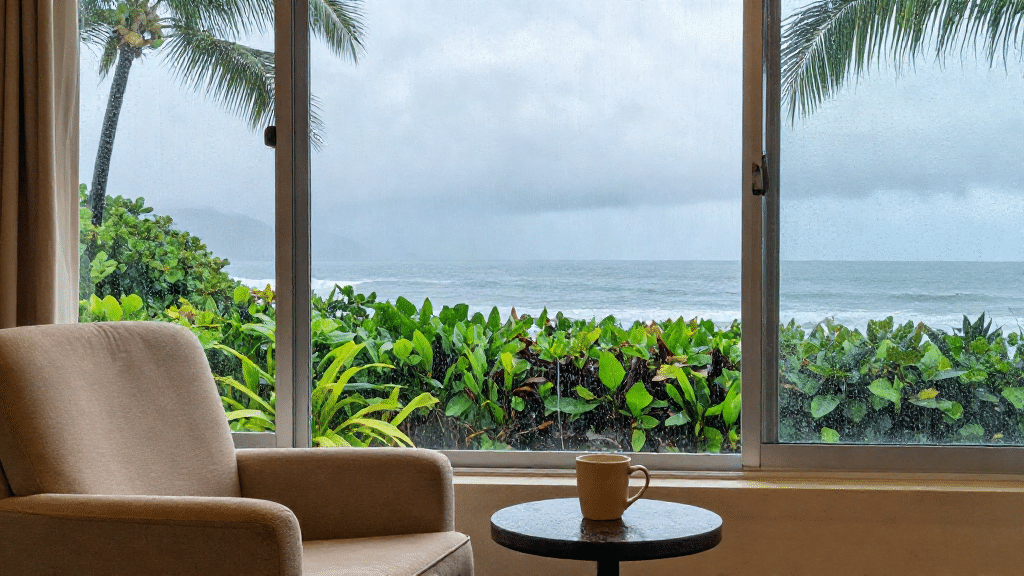
A little rain is part of the deal on Maui, and it is almost never a reason to write off your day. Ka’anapali sits on the dry west side of the island, where most showers roll through in an hour or two and leave behind that famous post-rain glow. The smart move is having a plan that works in either weather, so a passing squall turns into a good excuse for a slow morning instead of a wrecked itinerary. Here is how to spend a rainy day in Ka’anapali, from cozy in-condo ideas to covered attractions and easy nearby day trips.
Why Maui Rain Rarely Ruins a Day
West Maui is one of the driest parts of the island. Trade winds push most of the moisture upcountry and along the windward coast, which is why Ka’anapali and the surrounding beach area see far less rain than Hana or Haiku. When it does rain here, it is usually a short passing shower rather than an all-day soak. That means the best strategy is rarely to cancel everything. It is to slow down, do one indoor thing well, and keep an eye on the sky.
Make Your Ka’anapali Condo Your Base Camp
A rainy morning is the perfect time to actually enjoy the unit you booked. Brew the coffee that is already in the kitchen, pull a beach towel off the shelf, and let everyone ease into the day without rushing out the door. This is where a well-stocked condo earns its keep: breakfast supplies, games, books, and extra towels mean a washout morning costs you nothing. If you are traveling with kids, a movie afternoon in a comfortable living room beats a soggy drive any day.
Indoor Things to Do in Maui When It Rains
Browse the Shops and Galleries of Lahaina
Lahaina has long been West Maui’s browsing district, with Front Street art galleries, surf shops, and casual restaurants. The town is still rebuilding after the 2023 fires, so check ahead for what is open before you make the drive. Even a partial list of open shops and cafes makes for a pleasant, low-key afternoon.
Visit a Maui Museum
The Whalers Village Museum in Ka’anapali is a free, compact look at the island’s whaling history, and it sits inside a shopping center, so you can pair it with lunch. Farther afield, the Bailey House Museum in Wailuku covers Hawaiian and missionary history in a setting that keeps you dry for a couple of hours.
Spend an Afternoon at the Maui Ocean Center
The aquarium in Ma’alaea is about a 30 minute drive south of Ka’anapali and is one of the best rainy day bets on the island. Walk through the open ocean tunnel, see the reef exhibits, and let the kids burn off energy indoors. Arrive around lunch and you can easily fill an afternoon.
Catch a Show, a Spa Treatment, or a Long Lunch
Ka’anapali and the nearby resort areas have spas, restaurants, and evening entertainment that do not care about the weather. Book a massage, settle into a long lunch with an ocean view, or check the Maui Arts and Cultural Center in Kahului for a show.
Weather-Proof Day Trips Near Ka’anapali
If you want to get out and explore, pick a destination that is mostly indoors or covered. The Maui Ocean Center and the Bailey House Museum both work well as half day trips, and the Queen Ka’ahumanu Center in Kahului is an indoor mall if you need a reliable plan with no mud. What you should skip on a wet day is the Road to Hana. Heavy rain means slick turns, reduced visibility, and the risk of flash flooding at streams and waterfalls, so save that one for a dry, early start.
How to Plan a Rainy Day Without Losing Your Whole Itinerary
Keep one indoor anchor and one outdoor plan, then decide in the morning which one to run. Build in flexible driving time, since West Maui traffic slows down in the rain, and check the radar in the morning rather than the night before, because island weather shifts quickly. Treat your beach day as a movable piece instead of a fixed appointment, and you will almost always find a sunny window.
What to Pack for a Wet Day in West Maui
A light rain jacket or compact umbrella, closed toe shoes that can handle a wet sidewalk, a dry bag or zip pouch for phones, and one change of clothes in the car will cover nearly any shower. Keep reef safe sunscreen handy too, because rain in Ka’anapali usually ends with bright sun and a rainbow.
Why Direct Booking Makes a Weather Curveball Easier
Weather plans change, and that is exactly when it helps to be talking to the person who actually manages your condo. Direct booking with PrimeStay Collective means no third party booking fees, instant confirmation, secure Stripe payments, and flexible cancellation, plus a real person who can tell you what is actually open and worth doing on a wet day in Ka’anapali.
A Rainy Day in Ka’anapali Is Still a Day in Maui
Rain on Maui is rarely the whole story. Take the slow morning, pick one indoor plan, and keep the beach day loose. With a well-stocked condo, a short walk to the sand when the sky clears, and a host who answers quickly, a little weather stops being a problem and starts being a rest day.
Best Snorkeling Spots Near Ka’anapali: A Beginner-Friendly Guide to Maui’s Reefs
If snorkeling tops your Maui wish list, you’ve picked the right stretch of coast. Ka’anapali sits on one of the most snorkel-friendly shorelines on the island, and several of the best spots are a short walk or a quick drive from your condo. You don’t need a boat, a guide, or a full day – just a mask, a calm morning, and a few good tips.
Why Ka’anapali Is a Great Base for Snorkeling
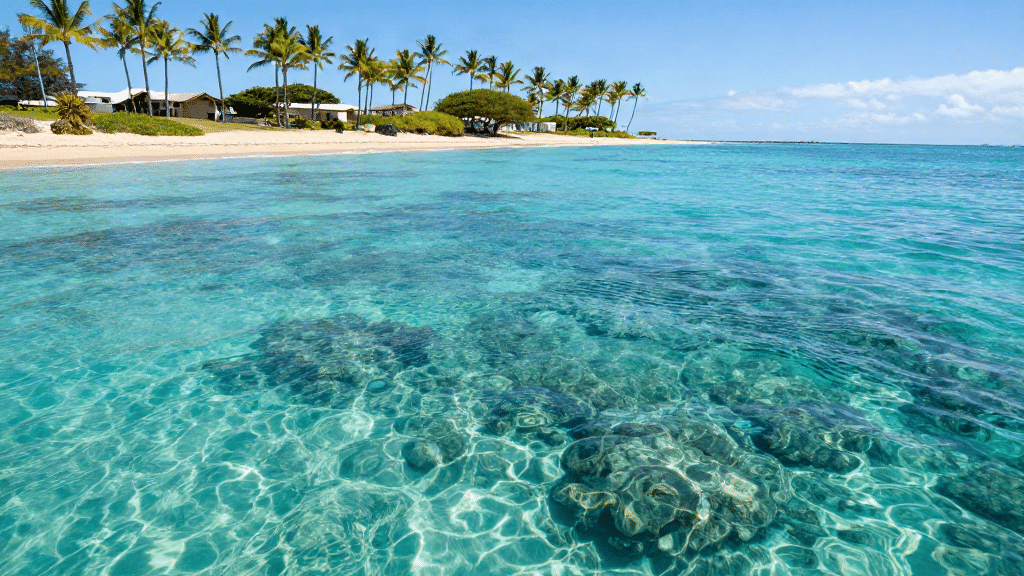
The west side of Maui is sheltered, so the water stays calmer than the windward coast most days, and the reefs sit close to shore. Beginners can ease in from the sand instead of leaping off a boat. Stay ocean-close in Ka’anapali and you can grab your gear and be floating over coral within minutes.
The Best Snorkeling Spots Near Ka’anapali
1. Kahekili Beach Park (Airport Beach)
A short drive north of the main strip, Kahekili is the local go-to for first-timers. The entry is gentle, the water is usually clear, and the reef lies close to shore. Restrooms, showers, and grassy shade make it an easy half-day. Go early, before the afternoon breeze.
2. Black Rock (Pu’u Kekaa)
The black lava outcrop at the north end of Ka’anapali Beach is the most famous snorkel spot on this coast, and it is walkable from the Ka’anapali resorts. Swim along the rock’s left side for the calmest water. You’ll often spot sea turtles, parrotfish, and clouds of smaller reef fish. The current can strengthen, so stay near the rock.
3. Ka’anapali Beach Shoreline
Even away from Black Rock, the beach holds pockets of reef and sand channels. This is your easiest option when you want to snorkel straight from your condo – ideal for families testing the water.
4. Kapalua Bay
A sheltered crescent about 15 minutes north, Kapalua Bay is postcard-perfect and beginner-friendly. The bay’s shape blocks the swell and the reef teems with fish. Parking is limited, so arrive before 9 a.m.
5. Napili Bay
Just past Kapalua, Napili Bay is small, calm, and known for turtles. The sandy entry and shallow reef make it a lovely second stop. Keep a respectful distance from wildlife.
6. Honolua Bay
Worth the 25-minute drive, Honolua is a marine life conservation area with some of the healthiest coral near Maui. Entry is rocky – walk in over the stones rather than stepping on the reef. Best in summer, when the north swell is down.
7. Olowalu Beach
South of Ka’anapali, Olowalu is nicknamed the coral gardens for its sprawling reef. It is a great backup when the north shore is windy, and the shallow, sandy entry suits beginners.
Gear, Timing, and Safety Tips
Go early. Morning water is calmest and clearest, before the trade winds build.
Rent or buy a well-fitted mask, since a leaky mask ruins a first snorkel faster than anything.
Wear reef-safe sunscreen and a rash guard instead of relying on lotion alone.
Never touch the coral or chase the fish. Look, don’t grab.
Snorkel with a buddy, and check the day’s conditions before you get in.
Make It Easy: Stay Steps from the Water
The best snorkeling near Ka’anapali happens when you can get there before the crowds. Booking an ocean-close condo means a five-minute walk to the sand, your own gear storage, and no parking hunt at sunrise. It’s the difference between a rushed outing and a reef you get almost to yourself.
The Bottom Line
From the calm entry at Kahekili to the famous drop at Black Rock and the turtle-filled waters of Napili, the best snorkeling near Ka’anapali is closer than you think. Pack a mask, pick a calm morning, and let the reef come to you.
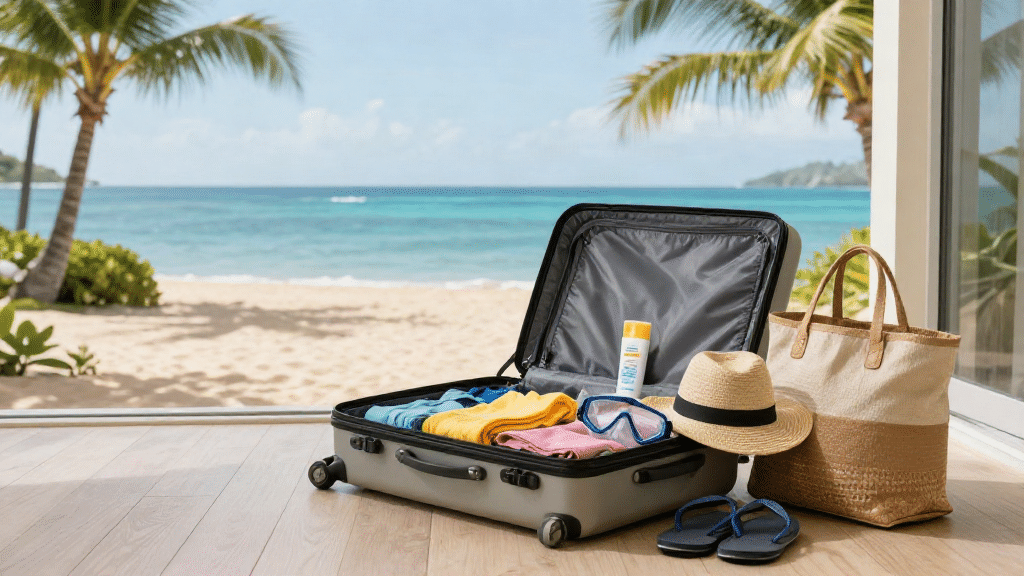
Packing for a Hawaii trip usually means overpacking. When you book a PrimeStay Collective Ka’anapali condo, you can cross half the old checklist off – the kitchen, the beach gear, and the everyday basics are already waiting for you. Here is exactly what to pack for a Maui condo, what your rental already stocks, and what you can safely leave at home so your suitcase stays light and your beach days start sooner. We hear the same question from nearly every guest before they fly, so this is the practical, tested list we send them – focused only on what you genuinely need for a week by the water, so you can pack once, pack light, and land ready to walk to the beach.
## What Your Ka’anapali Condo Already Provides
Before you buy anything, it helps to know what is included. Every PrimeStay Collective unit is set up like a home, not a hotel room. The kitchen is ready for real cooking – cookware, dishes, glassware, and flatware, plus a coffee maker, toaster, microwave, and full-size refrigerator, with basic pantry staples stocked. Beach gear is on hand too: chairs, an umbrella, beach towels, and often a cooler, so you are not renting or buying gear at the resort. You also get fresh bed and bath linens plus a separate supply for pool and sand days, in-unit laundry with detergent so you can wash mid-stay, and everyday comforts like Wi-Fi, TV, a hairdryer, an iron, and starter toiletries.
## Clothing Essentials for Maui’s Climate
Maui is warm, casual, and breezy, so plan for a few outfits you can re-wear rather than a full wardrobe. Pack light, breathable layers such as t-shirts, shorts, and sundresses that dry fast, and bring two swimsuits so one can dry while you wear the other. Add one light layer for breezy mornings and air-conditioned evenings, and keep footwear simple: flip-flops or sandals plus one comfortable pair of walking shoes. One easy outfit you can dress up with a simple accessory covers dinners out. There is very little formality here, so a light rain shell and quick-drying fabrics cover almost everything Maui will throw at you.
## Beach and Ocean Day Essentials
These are the items worth packing carefully, because you will use them every single day. Bring sunglasses and a wide-brimmed hat, since the sun is strong even when the trade winds feel gentle, and pack reef-safe sunscreen – Hawaii bans sunscreens containing oxybenzone and octinoxate, so pick reef-safe formulas and reapply often. A reusable water bottle keeps you hydrated between beach sessions and hikes, a dry bag or waterproof phone pouch is perfect for snorkeling, paddleboarding, and boat days, and a light daypack makes hauling towels, snacks, and water to the sand easy.
## What to Leave at Home
Knowing what not to pack is just as useful. Skip full-size hair tools you will not use in the humidity, bulky beach towels and large snorkel sets your unit may already provide, a separate evening wardrobe you will never wear, and multiple pairs of shoes you will not touch. Fewer bags mean less to carry and more room for souvenirs.
## What to Buy Once You Land in Ka’anapali
You do not need to fly with groceries or bathroom basics. A quick first-day stop near the airport or in town is easier and often cheaper: sunscreen, snacks, and drinks, plus local fruit, poke, and fresh fish from nearby markets, and any small item you forgot. Almost everything is easy to replace once you arrive.
## Quick Pre-Trip Packing Checklist
– Swimwear you can rotate while the others dry – Light, re-wearable clothing for warm days – One light layer and a rain shell – Flip-flops or sandals and one pair of walking shoes – Reef-safe sunscreen, sunglasses, and a wide-brimmed hat – Reusable water bottle, dry bag, and a light daypack – Prescriptions, chargers, and travel documents within reach
## Pack Light, Land Happy
The best Maui packing list is a short one. When your rental already comes stocked with the kitchen basics, beach gear, and everyday essentials, packing becomes simple: clothes for warm days, sun protection, and room to spare for what you bring home. Book direct with PrimeStay Collective for a clean, well-stocked, ocean-close Ka’anapali condo – no booking fees, instant confirmation, and a real person ready to answer your questions before you even land.
If you’re planning a Maui getaway, one of the first decisions you’ll make is which coast to call home for the week. Two names come up again and again: Ka’anapali on the west side and Kihei on the south shore. Both put you close to the ocean, both deliver dependable sunshine, and both are packed with condos you can rent. The real differences show up in the details – the beach, the vibe, the cost, and how easy it is to walk out your door and into your vacation. Here’s a straight comparison of Ka’anapali vs Kihei so you can pick the coast that fits your trip, whether you’re a couple escaping for a week or a family hauling boogie boards and cooler bags to the sand. ## The Beaches: Golden Sand With a Reef vs. Miles of Swimmable Shoreline Ka’anapali is built around one long, swooping beach of soft golden sand. The water inside the bay is protected by an offshore reef, which keeps the surface calm and makes it easy to swim, float, and snorkel without fighting a current. At the north end, Black Rock (Pu’u Keka’a) is one of Maui’s classic snorkel spots – expect reef fish, the occasional sea turtle, and a scenic cliff jump for anyone feeling brave. Because the beach fronts the resort area, it stays groomed and walkable end to end. Kihei is not one beach but a string of them. The Kamaole Beach Parks I, II, and III anchor the coastline, with Charley Young Beach to the north and Cove Park to the south. These are public-park style beaches: lifeguard towers, grassy lawns, picnic tables, and barbecue grills, which makes them wonderful for families who want to spread out for the afternoon. South Maui water tends to be calm in the morning and breezier by mid-afternoon as the trade winds fill in. The takeaway: if you want one beautiful, swimmable beach right outside your condo, Ka’anapali delivers it. If you like sampling a new stretch of sand every day, Kihei gives you more variety within a short drive. ## Weather and Seasons Both coasts sit in the dry, sunny lee of their respective mountains, so you’re unlikely to get rained out on either side. West Maui, including Ka’anapali, is famously sunny and slightly more sheltered, with the bay absorbing some of the afternoon wind. South Maui, including Kihei, is often the warmest and driest part of the island, which is a plus in winter and something to plan around in the middle of summer. Winter brings larger surf to north- and west-facing shores. Ka’anapali’s reef keeps the bay far more swimmable than a raw open-ocean beach would be, but always check conditions before you paddle out. ## The Vibe: Resort Buzz vs. Local-Town Easygoing This is where the two coasts feel most different. Ka’anapali is a planned resort destination, and it shows. The Ka’anapali Beach Walk links the oceanfront resorts, condos, and restaurants in a pedestrian-friendly path, with Whalers Village offering shops and casual dining and a nightly torch-lighting and cliff-dive ceremony adding a bit of ceremony to the evening. It’s polished, self-contained, and easy to navigate on foot. You can park the rental car on day one and barely touch it again. Kihei is a real town that happens to sit on the ocean. You’ll find plate-lunch spots, food trucks, surf shops, and neighborhood shopping centers rather than a curated resort promenade. It’s laid back, a little spread out, and rewards travelers who like the feel of living like a local. Plan on driving most days. ## Cost, Condo Quality, and Walkability On paper, Kihei usually wins on nightly rate. It has more inventory and a broader range of budgets, and you can often find a larger unit for less money. Ka’anapali commands a premium for the address, the beach, and the walkability. But the nightly rate is not the whole story. Platform service fees – charged on top of the listing price by the big booking sites – can quietly add a meaningful percentage to your total, on top of cleaning fees and, in some resort areas, daily resort charges. When you compare the true cost of a week, the gap between the two coasts often narrows more than the headline rates suggest. Condo quality varies on both coasts, but in Ka’anapali you’re more likely to find recently renovated, ocean-close units that are genuinely a short walk from the sand and the Beach Walk. Walkability is where Ka’anapali pulls ahead: beach, dinner, and shops without a car. Kihei is more car-dependent, though some condos sit directly across from the Kamaole beaches. ## Who Each Coast Suits Best Choose Ka’anapali if you are: – A couple planning a romantic week where sunset dinners and beach walks are the highlight – A family that wants a walkable base and a calm, swimmable bay for the kids – A first-time visitor who’d rather not spend the trip navigating – A repeat visitor who wants consistent, well-maintained condo quality Choose Kihei if you are: – Traveling on a tighter budget or staying longer and want more space for less – Someone who loves local restaurants, food trucks, and a town atmosphere – Part of a group that plans to drive to a different beach every day – Happy to trade walkability for lower nightly rates ## Why a No-Fee Ka’anapali Condo Wins on Value Here’s where the comparison gets interesting for value-minded travelers. If you love the Ka’anapali side – the calm bay, the Beach Walk, the sunsets – you don’t have to accept resort-area pricing or platform fees to stay there. Booking direct with a host like PrimeStay Collective means no Airbnb or VRBO service fees layered onto your total. Your money goes toward the unit, not the middleman. You get ocean-close condos in Ka’anapali that are clean and well stocked, a quick walk to the beach, secure Stripe payments, flexible cancellation, and 24/7 guest support. And because you’re booking with a real person rather than a call center, communication is direct and fast – questions answered before you arrive, not after. That combination is what makes a direct-booking Ka’anapali condo such a strong value play: you get the west-side beach and walkability you wanted, at a total cost that competes with the so-called cheaper coast once the fees are stripped away. ## The Bottom Line Ka’anapali vs Kihei isn’t really about which coast is better – it’s about which one matches your trip. Kihei wins on price and local flavor. Ka’anapali wins on the beach, the walkability, and the overall ease of a vacation where everything you need is a stroll away. If the west side is calling, you can have it without the fees. Browse ocean-close Ka’anapali condos, book direct, and get instant confirmation – no service fees, no surprises, just the coast you came for.
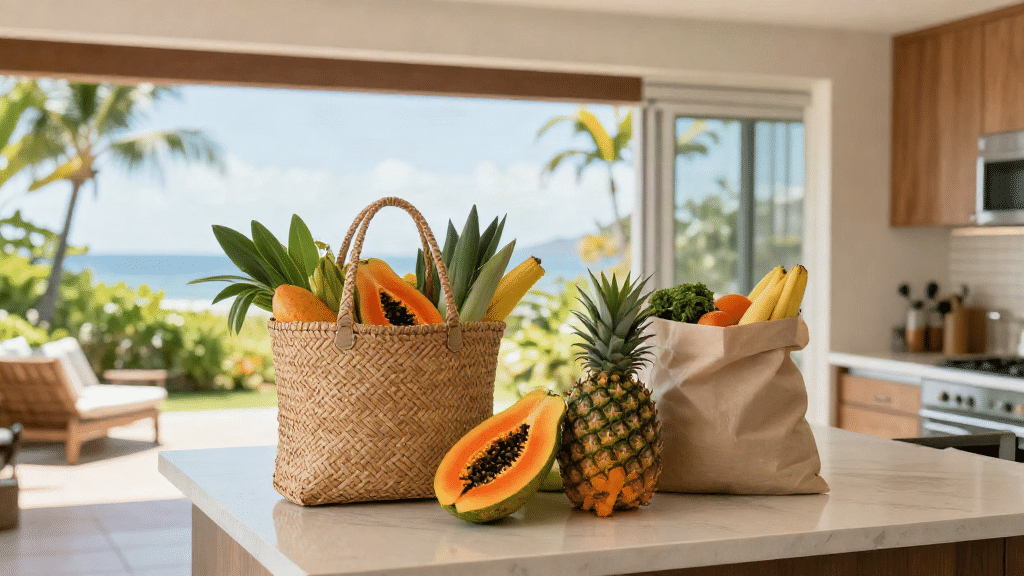
How to Stock Your Ka’anapali Condo Kitchen: Grocery Runs, Costs, and Local Shops One of the quiet joys of booking a condo instead of a hotel room is the kitchen. Real burners, a full-size fridge, and a lanai table where breakfast tastes better than any resort buffet. But that kitchen only pays off if you know where to shop once you land. Here is a practical guide to grocery stores near Ka’anapali, what to buy on day one, and how to feed a couple or a family for a week without overspending or overbuying. ## Why a Condo Kitchen Changes Your Maui Food Budget Maui restaurants are wonderful and Maui restaurant prices are real. A casual dinner for four can run well past $150 before tip, and even a simple breakfast out adds up fast across a seven-day stay. A stocked condo kitchen flips that math. Coffee and fruit on the lanai before the beach. Sandwiches packed for a road to Hana day. Grilled fish from a local market, eaten at sunset without a reservation. Most guests who cook even half their meals save hundreds of dollars over the week, and they eat on their own schedule instead of waiting for a table. ## The Closest Grocery Stores to Ka’anapali Ka’anapali sits on the west side of Maui, and the grocery options are closer than most first-time visitors expect. Times Supermarket – Honokowai. About five minutes north of the resort area, this is the local go-to for everyday staples, plate-lunch basics, and a solid poke counter. Foodland Farms – Lahaina (Kauhale Center). Roughly ten minutes south, this is the upgrade trip: better produce, a strong deli, and a bakery that earns its reputation. Safeway – Lahaina. Another ten-minute run south, familiar brands, reliable hours, and a loyalty card worth grabbing at the register. Costco – Kahului. Around 45 minutes away near the airport, best done on arrival day. If you are feeding a big family for a full week, the bulk run can be worth it. Farmers markets and farm stands. The Napili and Honokowai area has small stands and Saturday markets with Maui-grown fruit, avocado, and banana bread. Hours vary, so ask your host what is open the week you arrive. ABC Stores and local markets. Perfect for a forgotten lime, sunscreen, or a late-night ice cream run. ## What to Buy on Arrival vs What Is Already Stocked At PrimeStay Collective, every unit is stocked before you walk in, so you are not starting from an empty cabinet. Already waiting for you: cooking oil, salt and pepper, basic spices, coffee filters, dish soap, sponge, paper towels, trash bags, foil, and a starter set of pantry basics. Buy on arrival: eggs, butter, milk or creamer, bread, fresh fruit, coffee, and whatever protein you want for the first two dinners. Buy mid-week: fresh fish, produce, and anything perishable you will actually eat in the next few days. On an island, fresh is the whole point, and buying twice beats watching food wilt in the fridge. ## Budget Tips for Feeding a Couple or a Family for a Week – Plan dinners, wing the rest. Decide five dinners before you shop. – Shop the deli and poke counter. A pound of fresh poke, rice, and greens is a $25 dinner that beats most restaurants. – Buy local fruit by the piece. Maui pineapple, papaya, and apple bananas are cheap and ripe. – Bring your own bags and a cooler. A soft cooler keeps a Costco or Lahaina run cool on the drive back. – Check the condo before you shop. Knowing what is already stocked stops duplicate buys. – Cook one big meal, eat it twice. Grill extra chicken or fish and turn it into tomorrow’s lunch. Rough real-world budget for a family of four cooking most meals for a week: about $250-$350 in groceries, versus $700 or more eating out twice a day. For a couple, $120-$180 comfortably covers the week. ## Make the Kitchen Work for You A well-stocked Ka’anapali condo gives you slow mornings, sunset dinners on the lanai, and the freedom to eat when you are hungry. When you book direct with PrimeStay Collective, there are no booking fees, the unit is stocked and ready on arrival, and you talk to a real person who can tell you exactly which market is worth the drive this week. Book direct, skip the fees, and let the kitchen do the rest.

Recent Comments