
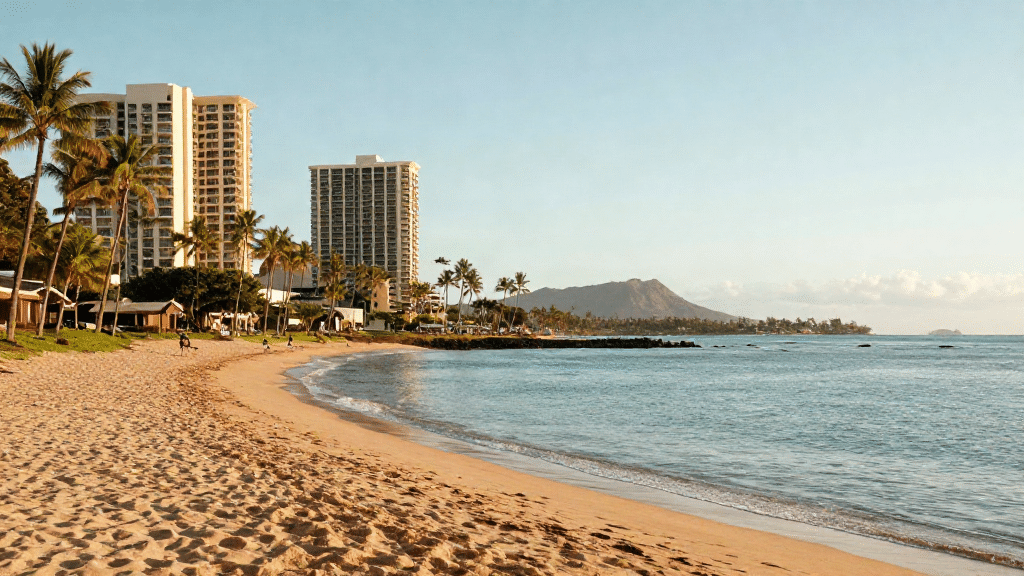
If you’re planning a Maui getaway, one of the first decisions you’ll make is which coast to call home for the week. Two names come up again and again: Ka’anapali on the west side and Kihei on the south shore. Both put you close to the ocean, both deliver dependable sunshine, and both are packed with condos you can rent. The real differences show up in the details – the beach, the vibe, the cost, and how easy it is to walk out your door and into your vacation. Here’s a straight comparison of Ka’anapali vs Kihei so you can pick the coast that fits your trip, whether you’re a couple escaping for a week or a family hauling boogie boards and cooler bags to the sand. ## The Beaches: Golden Sand With a Reef vs. Miles of Swimmable Shoreline Ka’anapali is built around one long, swooping beach of soft golden sand. The water inside the bay is protected by an offshore reef, which keeps the surface calm and makes it easy to swim, float, and snorkel without fighting a current. At the north end, Black Rock (Pu’u Keka’a) is one of Maui’s classic snorkel spots – expect reef fish, the occasional sea turtle, and a scenic cliff jump for anyone feeling brave. Because the beach fronts the resort area, it stays groomed and walkable end to end. Kihei is not one beach but a string of them. The Kamaole Beach Parks I, II, and III anchor the coastline, with Charley Young Beach to the north and Cove Park to the south. These are public-park style beaches: lifeguard towers, grassy lawns, picnic tables, and barbecue grills, which makes them wonderful for families who want to spread out for the afternoon. South Maui water tends to be calm in the morning and breezier by mid-afternoon as the trade winds fill in. The takeaway: if you want one beautiful, swimmable beach right outside your condo, Ka’anapali delivers it. If you like sampling a new stretch of sand every day, Kihei gives you more variety within a short drive. ## Weather and Seasons Both coasts sit in the dry, sunny lee of their respective mountains, so you’re unlikely to get rained out on either side. West Maui, including Ka’anapali, is famously sunny and slightly more sheltered, with the bay absorbing some of the afternoon wind. South Maui, including Kihei, is often the warmest and driest part of the island, which is a plus in winter and something to plan around in the middle of summer. Winter brings larger surf to north- and west-facing shores. Ka’anapali’s reef keeps the bay far more swimmable than a raw open-ocean beach would be, but always check conditions before you paddle out. ## The Vibe: Resort Buzz vs. Local-Town Easygoing This is where the two coasts feel most different. Ka’anapali is a planned resort destination, and it shows. The Ka’anapali Beach Walk links the oceanfront resorts, condos, and restaurants in a pedestrian-friendly path, with Whalers Village offering shops and casual dining and a nightly torch-lighting and cliff-dive ceremony adding a bit of ceremony to the evening. It’s polished, self-contained, and easy to navigate on foot. You can park the rental car on day one and barely touch it again. Kihei is a real town that happens to sit on the ocean. You’ll find plate-lunch spots, food trucks, surf shops, and neighborhood shopping centers rather than a curated resort promenade. It’s laid back, a little spread out, and rewards travelers who like the feel of living like a local. Plan on driving most days. ## Cost, Condo Quality, and Walkability On paper, Kihei usually wins on nightly rate. It has more inventory and a broader range of budgets, and you can often find a larger unit for less money. Ka’anapali commands a premium for the address, the beach, and the walkability. But the nightly rate is not the whole story. Platform service fees – charged on top of the listing price by the big booking sites – can quietly add a meaningful percentage to your total, on top of cleaning fees and, in some resort areas, daily resort charges. When you compare the true cost of a week, the gap between the two coasts often narrows more than the headline rates suggest. Condo quality varies on both coasts, but in Ka’anapali you’re more likely to find recently renovated, ocean-close units that are genuinely a short walk from the sand and the Beach Walk. Walkability is where Ka’anapali pulls ahead: beach, dinner, and shops without a car. Kihei is more car-dependent, though some condos sit directly across from the Kamaole beaches. ## Who Each Coast Suits Best Choose Ka’anapali if you are: – A couple planning a romantic week where sunset dinners and beach walks are the highlight – A family that wants a walkable base and a calm, swimmable bay for the kids – A first-time visitor who’d rather not spend the trip navigating – A repeat visitor who wants consistent, well-maintained condo quality Choose Kihei if you are: – Traveling on a tighter budget or staying longer and want more space for less – Someone who loves local restaurants, food trucks, and a town atmosphere – Part of a group that plans to drive to a different beach every day – Happy to trade walkability for lower nightly rates ## Why a No-Fee Ka’anapali Condo Wins on Value Here’s where the comparison gets interesting for value-minded travelers. If you love the Ka’anapali side – the calm bay, the Beach Walk, the sunsets – you don’t have to accept resort-area pricing or platform fees to stay there. Booking direct with a host like PrimeStay Collective means no Airbnb or VRBO service fees layered onto your total. Your money goes toward the unit, not the middleman. You get ocean-close condos in Ka’anapali that are clean and well stocked, a quick walk to the beach, secure Stripe payments, flexible cancellation, and 24/7 guest support. And because you’re booking with a real person rather than a call center, communication is direct and fast – questions answered before you arrive, not after. That combination is what makes a direct-booking Ka’anapali condo such a strong value play: you get the west-side beach and walkability you wanted, at a total cost that competes with the so-called cheaper coast once the fees are stripped away. ## The Bottom Line Ka’anapali vs Kihei isn’t really about which coast is better – it’s about which one matches your trip. Kihei wins on price and local flavor. Ka’anapali wins on the beach, the walkability, and the overall ease of a vacation where everything you need is a stroll away. If the west side is calling, you can have it without the fees. Browse ocean-close Ka’anapali condos, book direct, and get instant confirmation – no service fees, no surprises, just the coast you came for.
Ka’anapali vs Kihei: Which Maui Coast Fits You?
Recent Comments